



















Travel Capitalist Ventures Expands Check Size to $10 Million to Deepen Emerging Market Conviction
Boutique Travel VC raises investment cap from $1.5M to $10M to lead rounds and support portfolio companies through growth Travel...
Read moreDetails
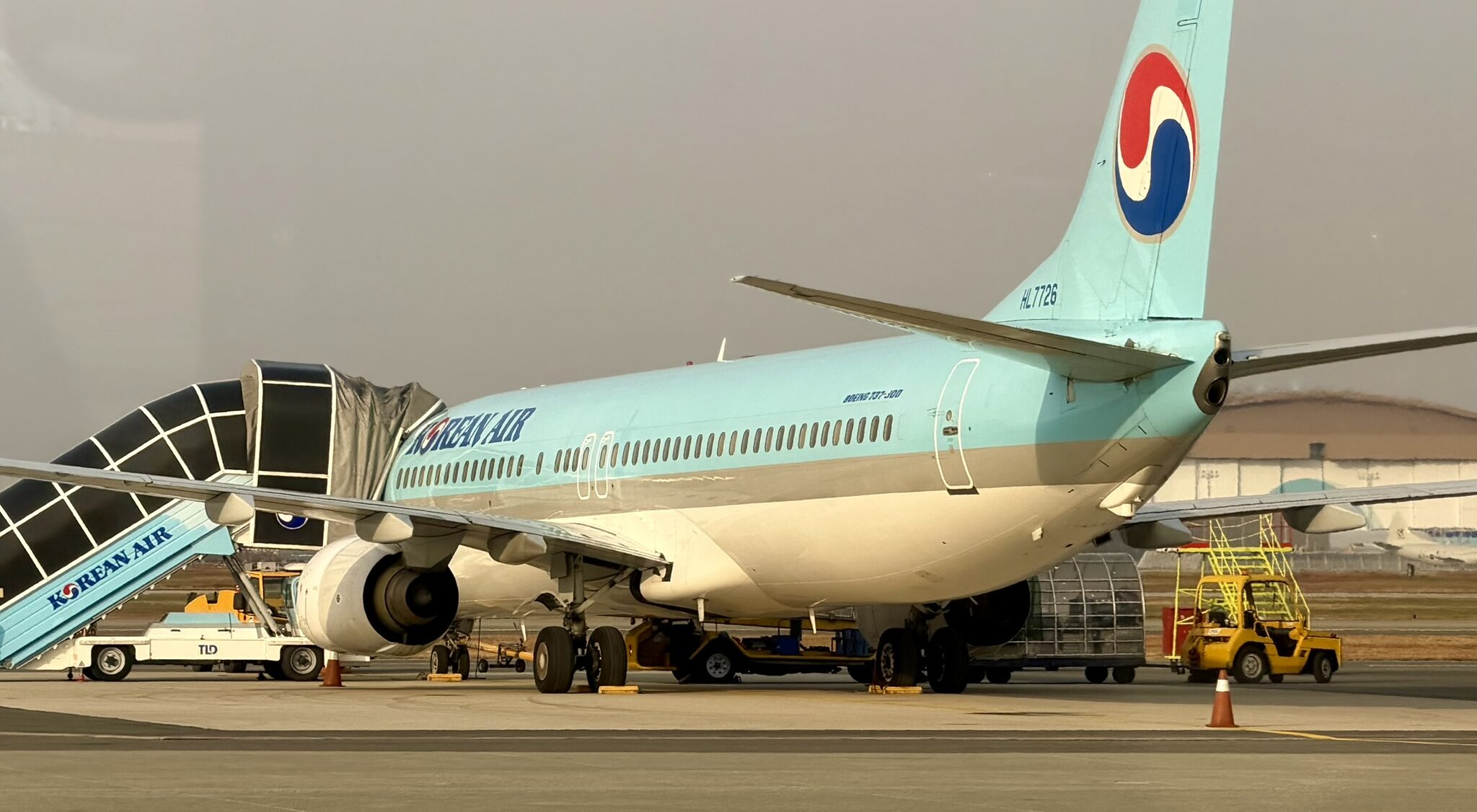
Travel back in time aboard Korean Air's 737-900
Article Summary:
The article reflects on the evolution of the passenger experience in air travel over the past two decades, highlighting the significant upgrades made to aircraft cabins. It shares a personal anecdote about flying on a Korean Air Boeing 737-900, noting the nostalgia associated with this non-ER variant of the twinjet. The piece underscores the substantial investments airlines are making in cabin upgrades, despite the nostalgia for older models.
Key Points:
Actionable Takeaways:
Contextual Insights:
The article is set against the backdrop of ongoing advancements in air travel technology and the continuous efforts of airlines to improve passenger comfort. Recent trends indicate a growing emphasis on passenger experience, with airlines investing in areas such as in-flight entertainment, dining options, and overall cabin design. The nostalgia for older aircraft models, as highlighted by the author’s experience, suggests that there is a segment of the market that values the heritage and charm of classic aircraft. This insight can guide airlines in developing targeted marketing strategies and product offerings that resonate with both traditionalists and modern travelers. Furthermore, the focus on cabin upgrades aligns with broader industry trends towards sustainability and efficiency, as airlines seek to balance passenger experience with operational costs and environmental impact.
Read the Complete Article.
Boutique Travel VC raises investment cap from $1.5M to $10M to lead rounds and support portfolio companies through growth Travel...
Read moreDetails



Comprehensive Summarization: The article highlights Malaysia's recent adoption of UPI-linked Digital Payment Systems, joining a select group of countries including...
Read moreDetails
