


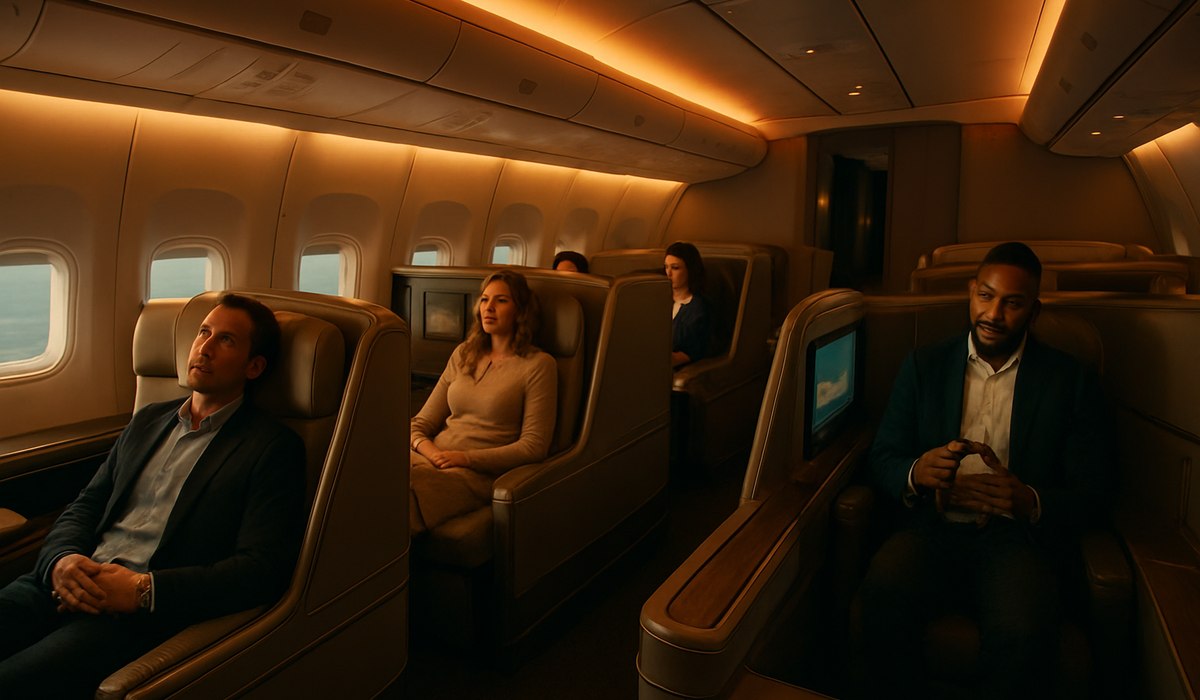


















Travel Capitalist Ventures Expands Check Size to $10 Million to Deepen Emerging Market Conviction
Boutique Travel VC raises investment cap from $1.5M to $10M to lead rounds and support portfolio companies through growth Travel...
Read moreDetails
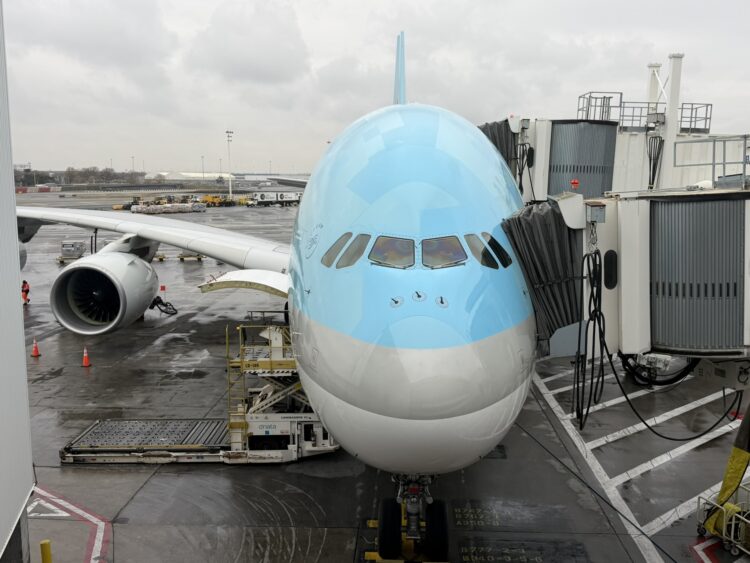
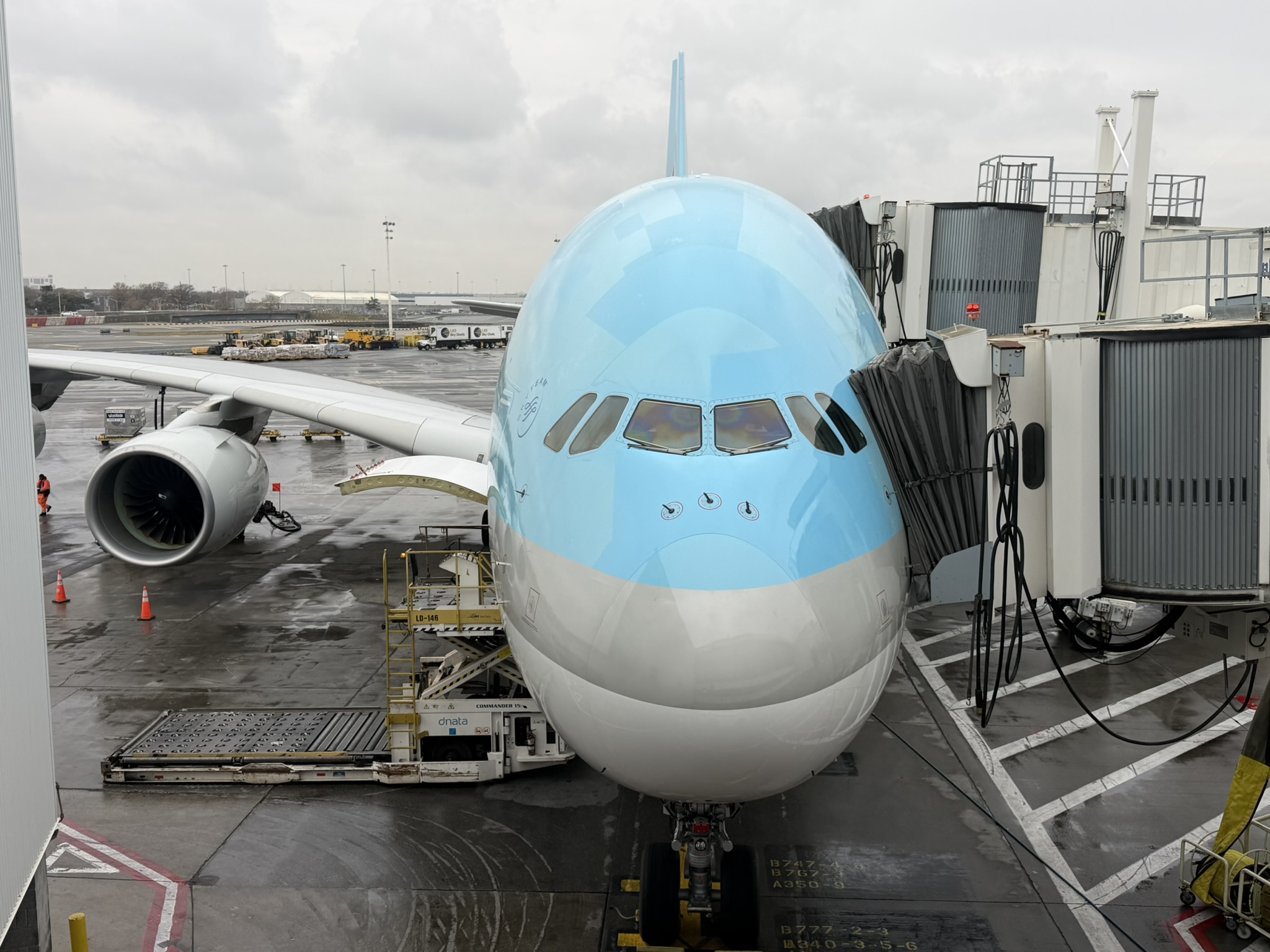
Passenger comfort still a priority on venerable Korean Air A380
Article Summary:
The article discusses the enduring relevance of the Airbus A380 in long-haul travel as of 2025, highlighting how Korean Air continues to operate its remaining A380s exactly as originally envisioned. It emphasizes the aircraft’s promise of technological advancement and passenger comfort, reflecting ongoing innovations in travel tech and the enduring demand for premium long-haul experiences.
Key Points:
Actionable Takeaways:
Contextual Insights:
The Airbus A380’s continued operation by Korean Air in 2025 reflects a broader trend in the travel industry towards prioritizing passenger comfort and technological innovation. This case study illustrates how certain technological advancements can remain relevant over time, even as the industry evolves. For travel startups and fintech companies, this suggests a focus on developing solutions that enhance the passenger experience, such as advanced in-flight entertainment systems, personalized service offerings, and seamless travel booking platforms. The article also points to the importance of maintaining a balance between technological innovation and operational efficiency, ensuring that investments in new technologies do not compromise the core values of safety and comfort that define long-haul travel.
Read the Complete Article.
Boutique Travel VC raises investment cap from $1.5M to $10M to lead rounds and support portfolio companies through growth Travel...
Read moreDetails




