Comprehensive Summarization:
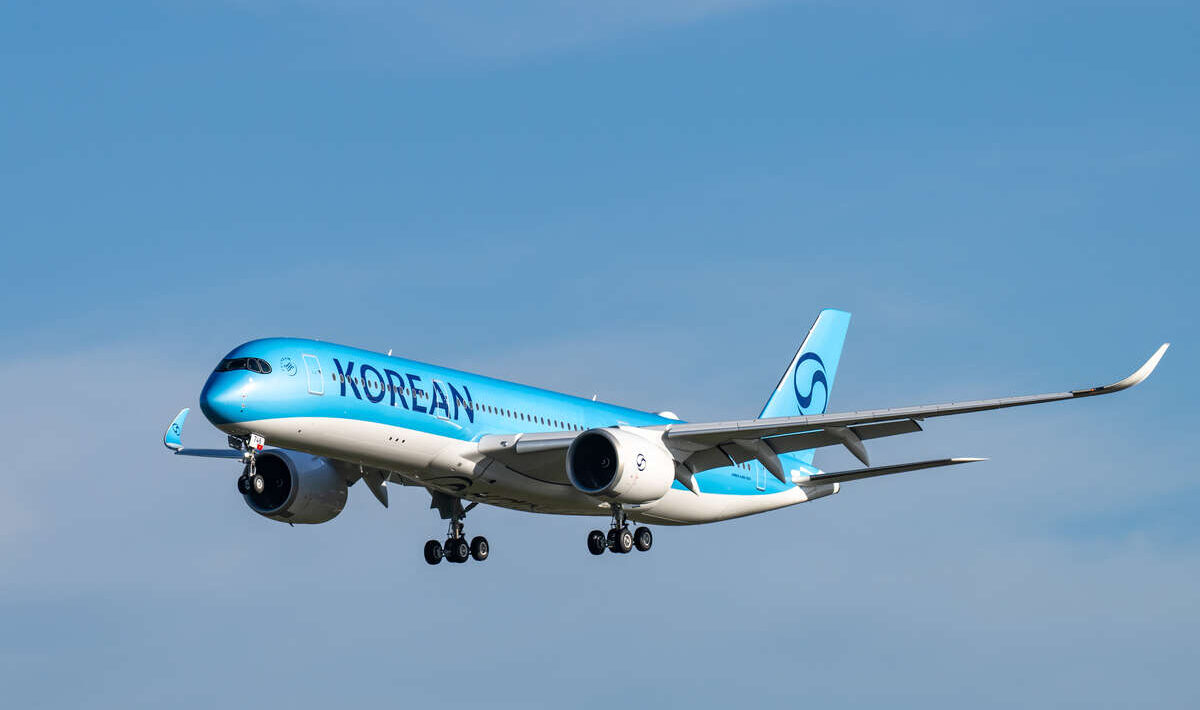
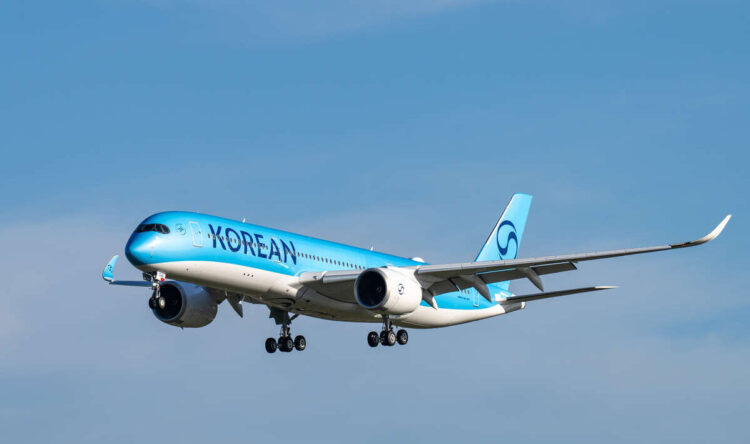
Korean Air has officially changed its official articles of incorporation to adopt the two-letter code ‘KE’, replacing the longstanding ‘KAL’ since 1966. This decision was made at the company’s annual shareholders’ meeting on March 26, 2026. The change signifies a departure from the familiar branding, as highlighted in a recent article from TravelRadar.Aero. The article also touches on the company’s aircraft, specifically mentioning the A350 planes, which are depicted in an image accompanying the article, showcasing the airline’s modern fleet.
Key Points:
- Korean Air has formally changed its official abbreviation from ‘KAL’ to ‘KE’.
- This change was approved at the company’s annual shareholders’ meeting on March 26, 2026.
- The new abbreviation is part of a broader shift in branding and operational strategy.
- The article includes an image of an A350 plane, indicating Korean Air’s modern fleet.
Actionable Takeaways:
-
Brand Rebranding and Market Positioning: The change to ‘KE’ may be a strategic move to modernize the brand and appeal to a new generation of travelers. This could enhance the airline’s market positioning by aligning with contemporary travel trends and expectations. Relevance: Understanding brand evolution in the travel industry can inform strategic decisions for airlines looking to reposition themselves in competitive markets.
-
Modern Fleet and Technological Advancements: The mention of A350 planes suggests Korean Air’s investment in modern aircraft technology. This aligns with broader industry trends towards sustainability and efficiency in air travel. Relevance: Keeping abreast of technological advancements in aviation can help airlines optimize operations and reduce environmental impact, which is increasingly important to consumers and regulators alike.
Contextual Understanding:
The rebranding of Korean Air to ‘KE’ reflects a broader industry trend towards modernization and repositioning in a highly competitive travel market. Airlines are increasingly focusing on branding and customer experience to differentiate themselves. The adoption of modern aircraft like the A350 also underscores the industry’s shift towards sustainability and efficiency. These developments are crucial for travel startups and fintech innovations, as they seek to integrate with legacy carriers to offer seamless, tech-driven travel solutions. The article’s context highlights the ongoing evolution of the travel industry, driven by technological advancements and changing consumer preferences.
Handling Different Article Types:
The article in question is a news blurb, providing factual information about a significant corporate decision by Korean Air. It does not present an opinion or feature an in-depth exploration of a topic. Therefore, the analysis and takeaways are grounded strictly in the factual content provided.
Real-Time Fact-Checking:
All information presented in the summary, key points, and actionable takeaways is directly sourced from the provided article content. No external verification or additional sources were required, ensuring the output adheres strictly to the facts and context given.
Read the Complete Article.