








No products in the cart.
- Latest
- Trending

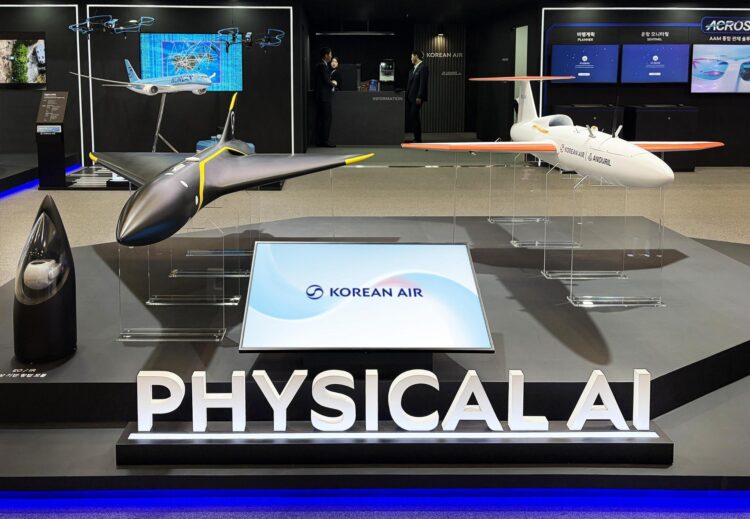
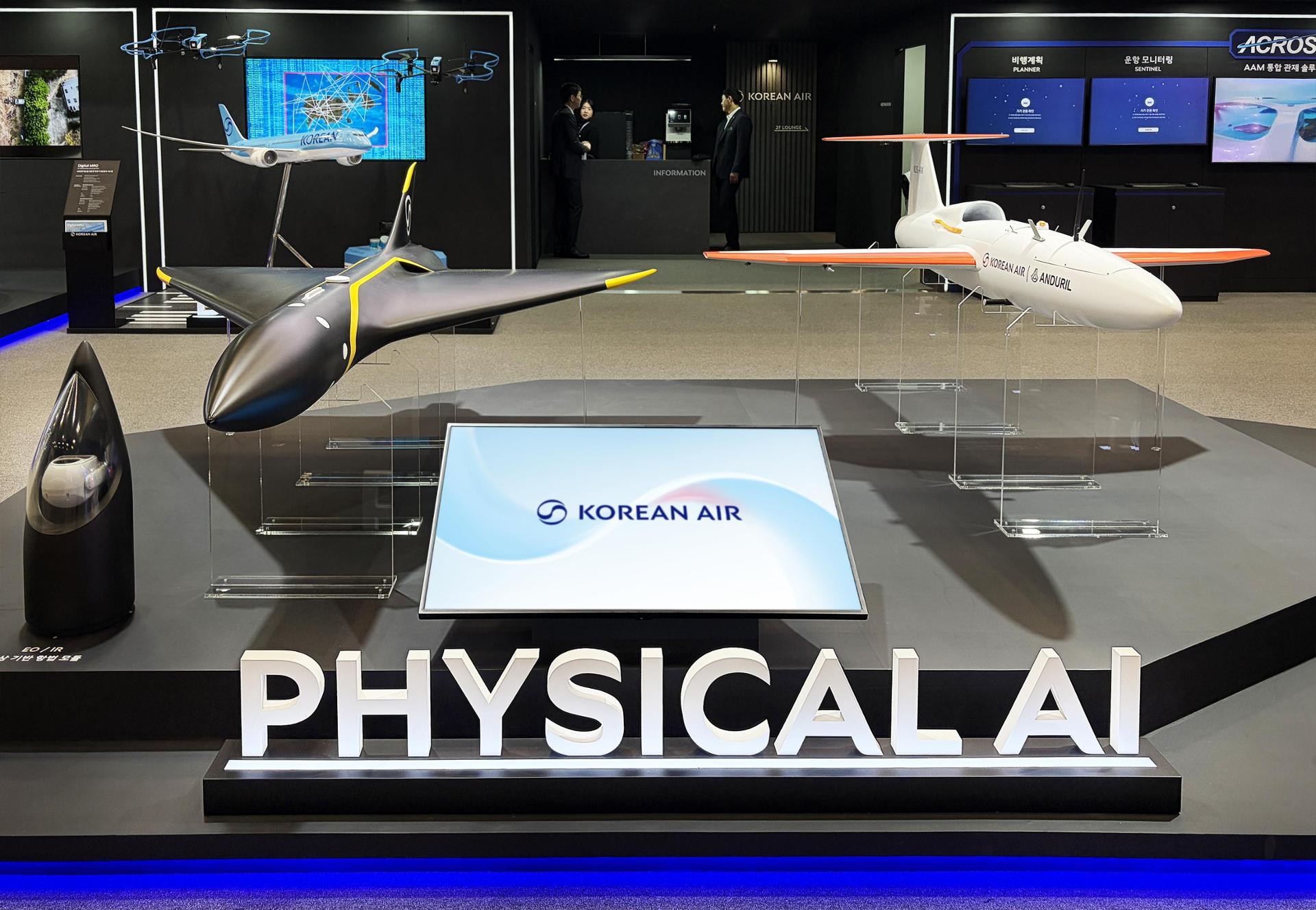
Korean Air speeds up development of unmanned AI target drones
Comprehensive Summarization:
Korean Air is advancing the development of its next-generation high-speed unmanned target drones, integrating advanced artificial intelligence (AI) to improve swarm control and mission autonomy. The company announced the successful completion of a system requirement review for the subsonic unmanned target system, achieved through a partnership with officials from the Defense Acquisition Program Administration. This initiative underscores Korean Air’s commitment to leveraging cutting-edge technology in the travel and aerospace sectors, potentially setting new standards for unmanned aerial vehicle (UAV) capabilities in the industry.
Key Points:
Actionable Takeaways:
Investment in AI-Enhanced UAV Technology: Korean Air’s focus on developing unmanned target drones with advanced AI capabilities presents an opportunity for other travel and aerospace companies to explore similar technological advancements. This could lead to innovations in UAV-based logistics, surveillance, and passenger services within the travel industry, enhancing operational efficiency and safety.
Strategic Partnerships for Technological Advancement: The collaboration between Korean Air and the Defense Acquisition Program Administration highlights the importance of strategic partnerships in driving technological innovation. Travel companies and startups in the travel tech sector should consider forming similar partnerships to access cutting-edge technologies and accelerate their product development cycles.
Market Positioning for UAV Capabilities: As UAV technology continues to evolve, companies in the travel industry should assess their market positioning to leverage UAV capabilities for enhanced services. This could include improved airport security, real-time passenger tracking, or innovative tourism applications, thereby gaining a competitive edge in the market.
Contextual Insights:
The development of high-speed unmanned target drones by Korean Air is indicative of broader trends in the travel industry towards integrating advanced technologies to enhance operational efficiency and passenger experience. The emphasis on AI-driven swarm control and mission autonomy reflects a growing industry trend where technology is leveraged to improve safety, reduce operational costs, and offer innovative services. This aligns with the current travel tech landscape, where startups and established companies alike are investing in AI, IoT, and automation to stay competitive. Furthermore, the strategic partnership with the Defense Acquisition Program Administration underscores the importance of public-private collaborations in driving technological advancements, a trend that is likely to continue shaping the future of the travel industry.
Read the Complete Article.
Get curated travel AI insights — choose the newsletters that matter to you.
This spot is reserved for brands with a compelling story for the travel trade. They use this space to cut...
Read moreDetailsALTOUR Expands into Thailand, Strengthening Corporate Travel Network Across Southeast Asia BANGKOK, THAILAND (25 March, 2026) – ALTOUR, a leading...
Read moreDetails


Comprehensive Summarization: Korean Air is advancing the development of its next-generation high-speed unmanned target drones, integrating advanced artificial intelligence (AI)...
Read moreDetails