







No products in the cart.
- Latest
- Trending

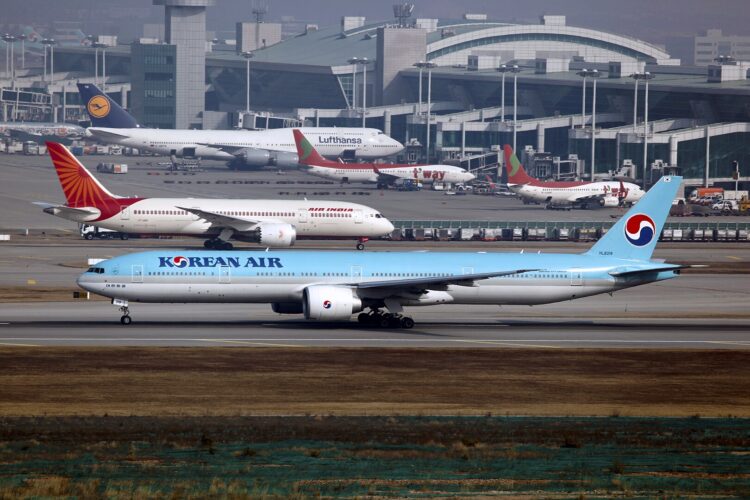
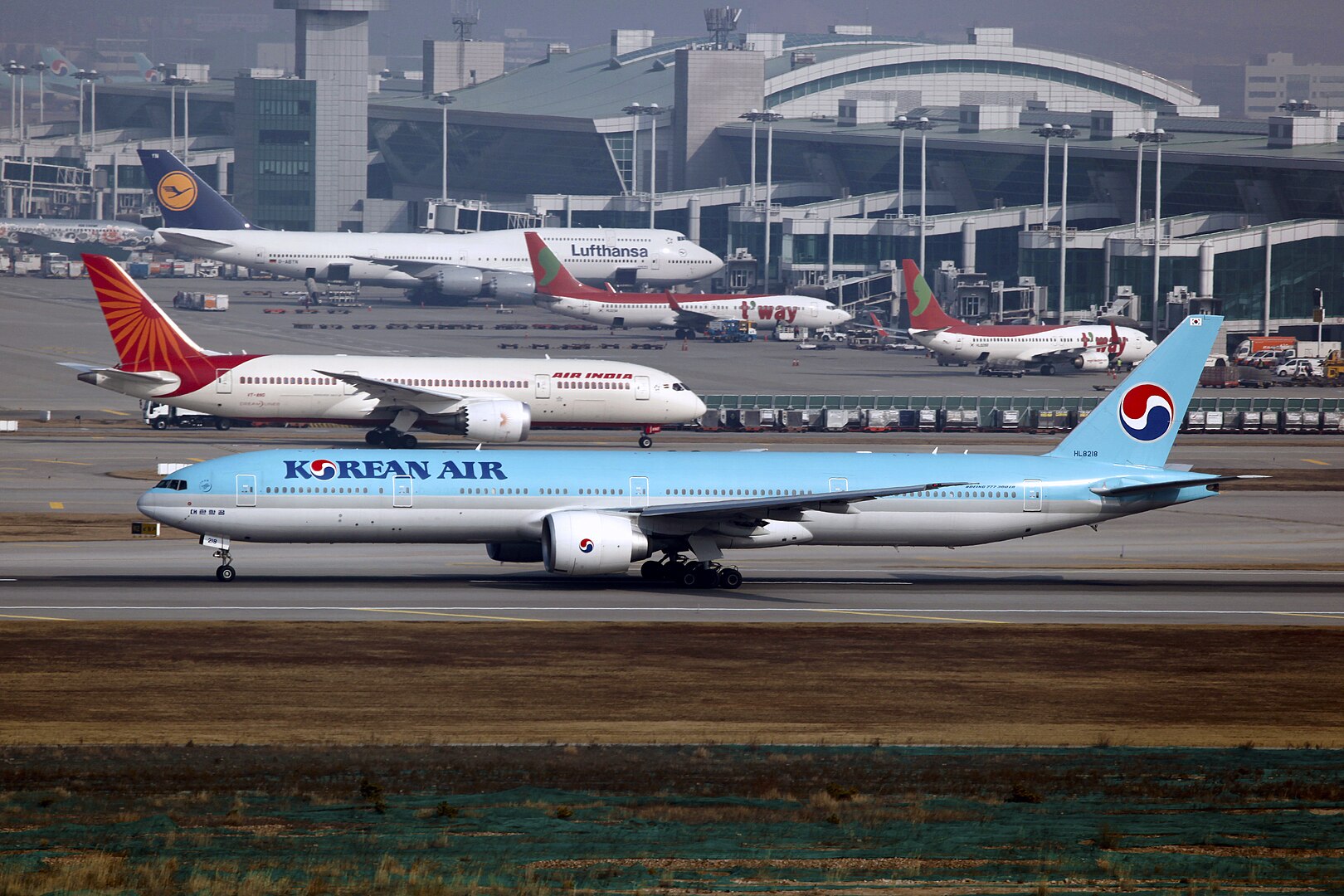
Photo: Korean Air
Comprehensive Summarization:
Korean Air (KE) is set to introduce an emergency management system starting in April, a response to rising fuel costs driven by geopolitical tensions in the Middle East. This development underscores the financial pressures faced by airlines globally. Incheon International Airport (ICN), KE’s primary hub, is also anticipated to undergo operational adjustments to manage these increased costs. The decision reflects the broader impact of external geopolitical risks on the aviation industry, highlighting the need for airlines to adapt swiftly to financial challenges.
Key Points:
Actionable Takeaways:
Adaptation to Fuel Cost Pressures: Airlines must develop and implement emergency management systems to navigate rising fuel costs effectively. This proactive approach can mitigate financial risks and ensure operational stability in volatile markets.
Operational Adjustments at Major Hubs: Airports like ICN may need to optimize their operations to support airlines facing increased costs. This could involve improving efficiency, renegotiating contracts, or exploring alternative partnerships to manage expenses.
Focus on Geopolitical Risk Management: The aviation industry must enhance its strategies for managing geopolitical risks. This includes diversifying routes, strengthening relationships with regional partners, and investing in technologies that can provide real-time risk assessments and mitigation strategies.
Contextual Insights:
The introduction of Korean Air’s emergency management system is a timely response to the escalating fuel costs and geopolitical tensions in the Middle East. These factors are indicative of the broader challenges faced by the global aviation industry, where external geopolitical risks can significantly impact operational costs and profitability. The focus on operational adjustments at major hubs like ICN underscores the need for airlines to be agile and adaptable in their strategies. As the industry continues to grapple with these challenges, there is a growing emphasis on leveraging technology and innovative solutions to enhance operational resilience and financial stability. This trend is likely to influence travel startups and fintech innovations, as companies seek to provide tools and services that help airlines manage costs and navigate complex market conditions.
Read the Complete Article.
Get curated travel AI insights — choose the newsletters that matter to you.
ALTOUR Expands into Thailand, Strengthening Corporate Travel Network Across Southeast Asia BANGKOK, THAILAND (25 March, 2026) – ALTOUR, a leading...
Read moreDetails


Comprehensive Summarization: Korean Air (KE) is set to introduce an emergency management system starting in April, a response to rising...
Read moreDetails