








No products in the cart.
- Latest
- Trending

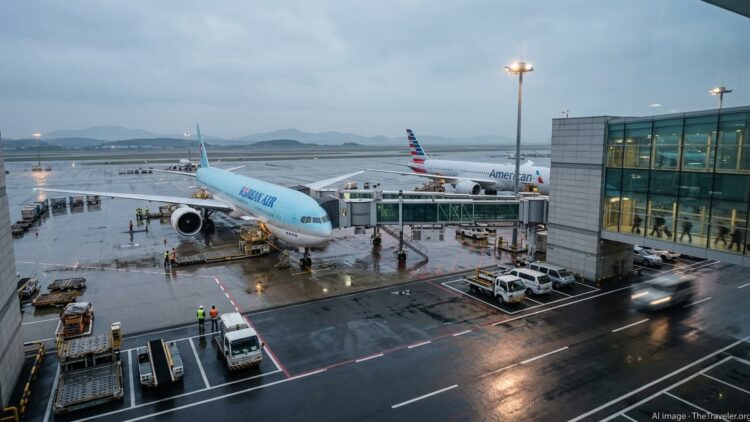
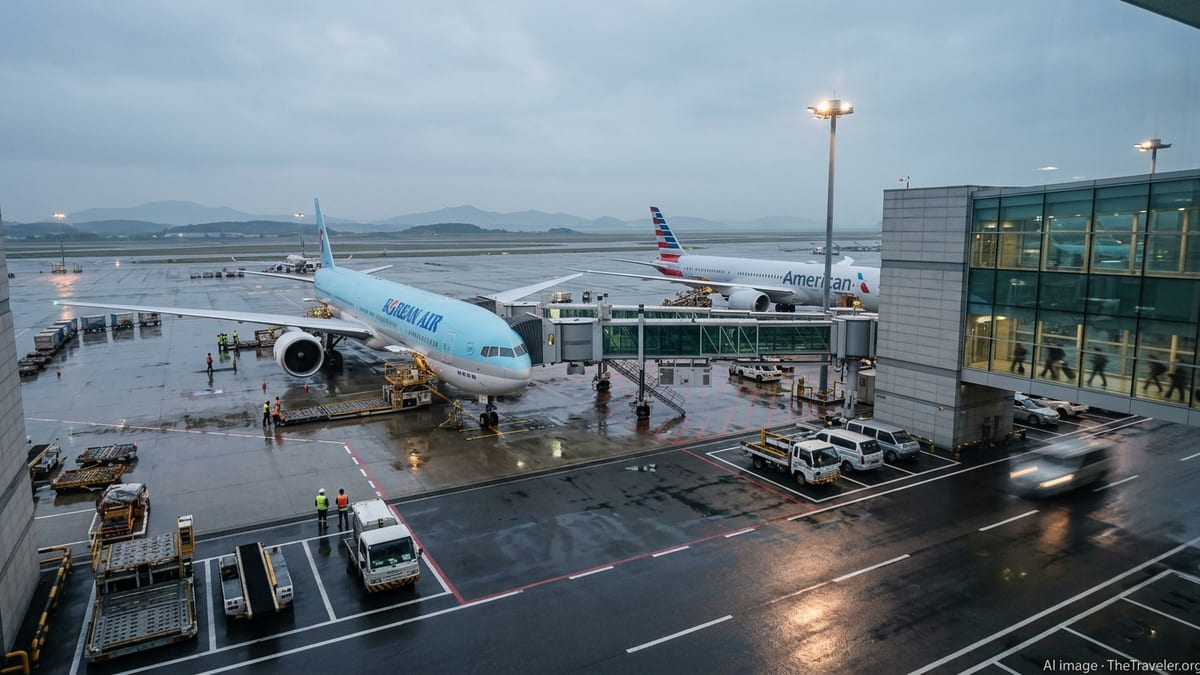
Korean Air Triggers Emergency Plan as Fuel Costs Soar
Comprehensive Summarization:
Korean Air is responding to a sudden surge in jet fuel prices and currency pressures by entering emergency management mode. This strategic shift is leading to significant fare increases, tighter flight schedules, and growing frustration among travelers in one of Asia’s busiest aviation markets. The article highlights the operational challenges faced by the airline as it navigates these financial pressures, impacting both its cost structure and customer experience in a highly competitive travel market.
Key Points:
Actionable Takeaways:
Cost Management Strategies: Airlines should closely monitor and manage fuel costs by exploring hedging strategies or diversifying fuel suppliers to mitigate the impact of volatile fuel prices. This is crucial for maintaining profitability and ensuring sustainable operations in a fluctuating market.
Flexible Scheduling and Fare Adjustments: Airlines can adopt more flexible scheduling and fare structures to adapt quickly to changing market conditions. This approach can help balance revenue management with customer satisfaction, ensuring that airlines remain competitive while managing operational costs effectively.
Enhanced Customer Communication: Clear and transparent communication with travelers regarding fare changes and service adjustments is essential. Providing timely updates and explanations can help manage customer expectations and reduce frustration, thereby maintaining loyalty and trust in the brand.
Contextual Insights:
The current surge in jet fuel prices and currency pressures reflects broader economic trends affecting the global aviation industry. As one of Asia’s busiest aviation markets, Korean Air’s response is indicative of the broader challenges faced by airlines in maintaining profitability amidst rising operational costs. This situation underscores the importance of agile cost management strategies and customer-centric communication in navigating economic uncertainties. Furthermore, the article highlights the need for airlines to leverage technological advancements and innovative solutions to optimize operations and enhance customer experience, aligning with current industry trends towards digital transformation and operational efficiency.
Read the Complete Article.
Get curated travel AI insights — choose the newsletters that matter to you.
ALTOUR Expands into Thailand, Strengthening Corporate Travel Network Across Southeast Asia BANGKOK, THAILAND (25 March, 2026) – ALTOUR, a leading...
Read moreDetails


Comprehensive Summarization: The article discusses a significant collaboration between Royal Bank of Canada (TSX:RY) and Hopper Technology Solutions, aimed at...
Read moreDetails