





No products in the cart.
- Latest
- Trending


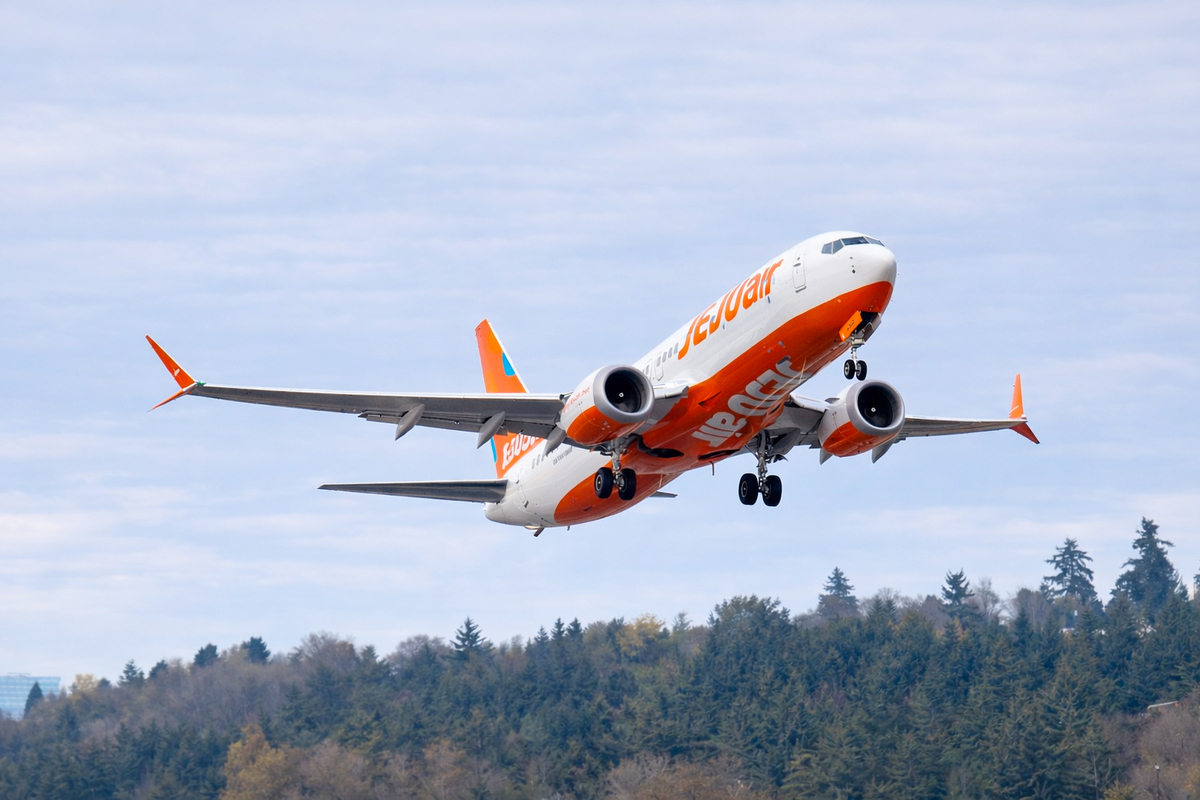
Korean Air Shifts to Emergency Mode as Oil Prices Soar
Comprehensive Summarization:
Korean Air, a leading airline in South Korea, has announced a shift to an emergency operational mode starting in April due to the significant rise in oil prices, primarily driven by the ongoing conflict in Iran. This operational shift is necessitated by the escalating costs of jet fuel, which are forcing the airline to increase fuel surcharges for flights departing from its main hub in Incheon. The article highlights the financial pressures faced by major airlines in the face of volatile oil prices, emphasizing the need for adaptive operational strategies in the travel industry.
Key Points:
Actionable Takeaways:
Fuel Cost Management: Airlines must adopt dynamic pricing strategies for fuel surcharges to mitigate the impact of volatile oil prices on passenger costs. This approach can help maintain profitability while ensuring fare competitiveness.
Investment in Alternative Fuels: The article underscores the urgent need for airlines to explore and invest in alternative fuels and sustainable aviation technologies. Transitioning to greener fuels can reduce dependency on volatile oil prices and align with global sustainability goals.
Operational Efficiency: Airlines should focus on optimizing operational efficiency to offset increased fuel costs. This could involve route optimization, fleet modernization, and leveraging technology for better fuel management.
Contextual Insights:
The shift in Korean Air’s operational mode is a direct response to the current geopolitical tensions and their impact on global oil prices. This situation is emblematic of the broader challenges faced by the travel industry, where external factors such as conflicts and market volatility can significantly influence operational costs. The article also highlights the increasing importance of sustainable practices in the aviation sector, as airlines seek to balance cost management with environmental responsibility. Forward-looking insights suggest that the travel industry will increasingly prioritize technological innovations and sustainable solutions to navigate these challenges effectively.
Read the Complete Article.
Get curated travel AI insights — choose the newsletters that matter to you.
ALTOUR Expands into Thailand, Strengthening Corporate Travel Network Across Southeast Asia BANGKOK, THAILAND (25 March, 2026) – ALTOUR, a leading...
Read moreDetails


Comprehensive Summarization: Korean Air, a leading airline in South Korea, has announced a shift to an emergency operational mode starting...
Read moreDetails