
















Travel Capitalist Ventures Expands Check Size to $10 Million to Deepen Emerging Market Conviction
Boutique Travel VC raises investment cap from $1.5M to $10M to lead rounds and support portfolio companies through growth Travel...
Read moreDetails
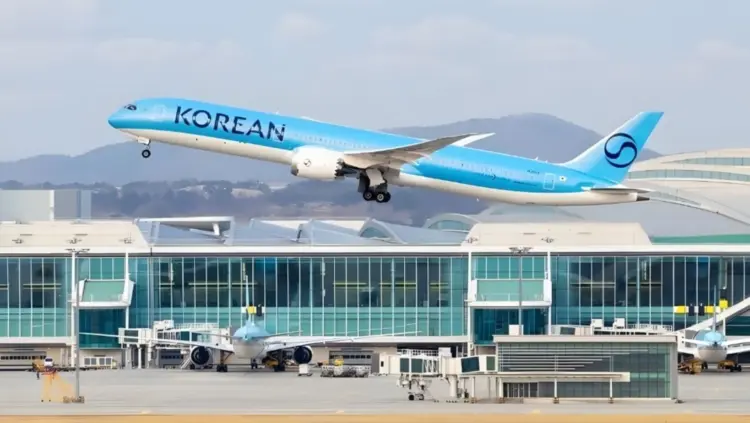
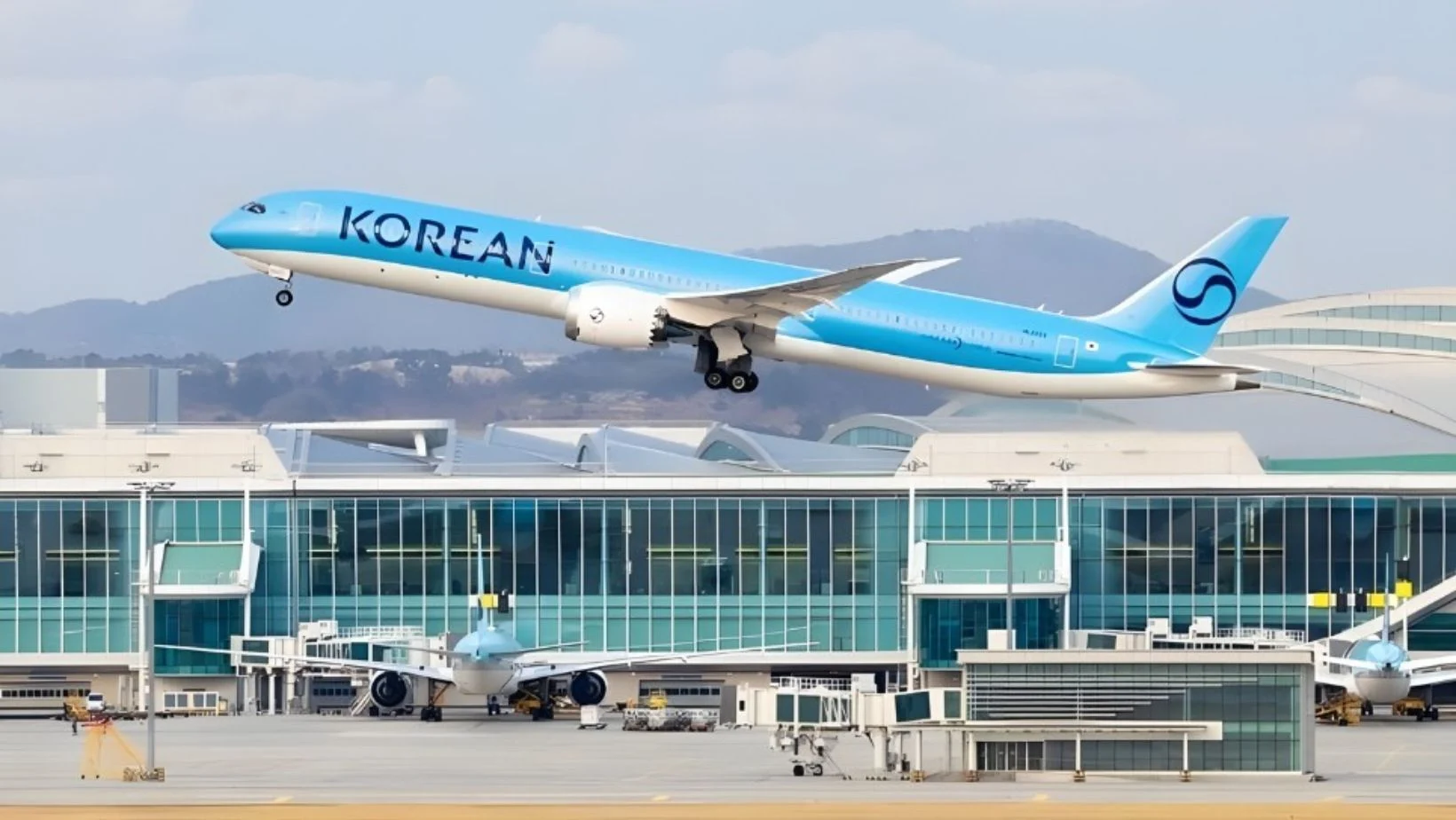
Korean Air plans major modernisation of its JFK cargo terminal
Comprehensive Summarization:
Korean Air has partnered with Lödige Industries to modernize its JFK cargo terminal, aiming to enhance service quality, operational efficiency, and sustainability on the US East Coast. The modernization includes the introduction of advanced automated systems designed to boost productivity and strengthen industrial safety. Originally opened in December 2000, the terminal is one of the key facilities in the article, reflecting Korean Air’s commitment to upgrading its infrastructure to meet modern demands.
Key Points:
Actionable Takeaways:
Investment in Automation: Korean Air’s investment in advanced automated systems for its JFK cargo terminal highlights a broader industry trend towards automation in logistics and cargo handling. This move is likely to set a precedent for other airlines looking to enhance operational efficiency and reduce human error in cargo operations.
Focus on Sustainability: The modernization project emphasizes sustainability, aligning with global travel industry trends that prioritize eco-friendly practices. This could influence other airlines to adopt similar sustainability-focused upgrades in their operations, potentially leading to industry-wide improvements in environmental performance.
Strategic Partnerships: The collaboration between Korean Air and Lödige Industries underscores the importance of strategic partnerships in driving technological advancements within the travel industry. Such partnerships can accelerate innovation and provide airlines with access to cutting-edge technologies, thereby maintaining a competitive edge in the market.
Contextual Insights:
The modernization of Korean Air’s JFK cargo terminal is reflective of the broader industry trend towards enhancing operational efficiency and sustainability. With increasing regulatory pressures and consumer demand for environmentally responsible travel, airlines are increasingly investing in technologies that reduce their carbon footprint while improving service quality. The use of advanced automated systems is a testament to this shift, as it not only streamlines operations but also minimizes the environmental impact associated with manual processes. Furthermore, the strategic partnership with Lödige Industries highlights the growing importance of collaboration between airlines and technology providers in driving innovation. As the travel industry continues to evolve, such collaborations will likely become more prevalent, fostering a culture of continuous improvement and adaptation to emerging technologies.
Read the Complete Article.
Boutique Travel VC raises investment cap from $1.5M to $10M to lead rounds and support portfolio companies through growth Travel...
Read moreDetails



Comprehensive Summarization: The article reports on the recent US-Iran ceasefire, which is contributing to a rebound in global tourism. This...
Read moreDetails
