





















Travel Capitalist Ventures Expands Check Size to $10 Million to Deepen Emerging Market Conviction
Boutique Travel VC raises investment cap from $1.5M to $10M to lead rounds and support portfolio companies through growth Travel...
Read moreDetails
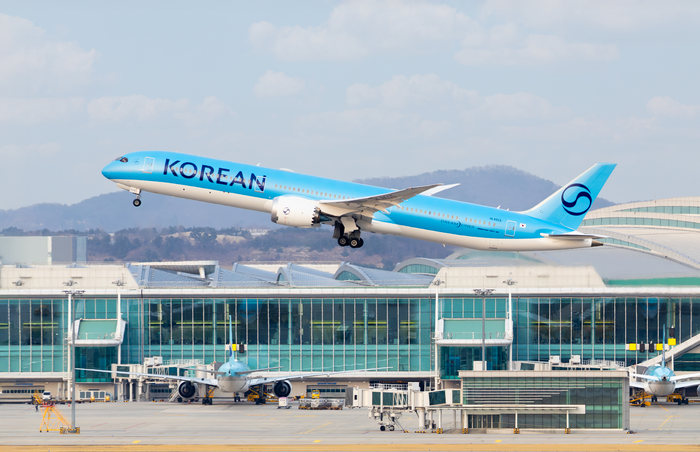
Korean Air Boeing 787-10
Article Summary:
Korean Air and Asiana Airlines have both announced significant executive promotions, with Korean Air promoting two individuals to the position of Executive Vice President among 20 total promotions. Asiana Airlines has appointed six new Senior Vice Presidents. These appointments are part of their preparations for the successful launch of the merged airline, aiming to minimize changes for stable integration. The article also mentions Korean Air’s 2026 regular report, indicating ongoing strategic planning and integration efforts.
Key Points:
Actionable Takeaways:
Contextual Insights:
The executive promotions at Korean Air and Asiana Airlines reflect broader trends in the airline industry, where strategic leadership changes are often employed to ensure smooth transitions during mergers. The focus on minimizing changes for stable integration is a common strategy, as it helps maintain operational continuity and customer trust during periods of significant organizational restructuring. This approach aligns with current industry trends, where mergers and acquisitions are increasingly common, driven by the need for scale, technological integration, and competitive advantage.
In the context of travel tech and fintech, the focus on stable integration and leadership development suggests that these sectors are also evolving to support the operational needs of merged entities. Innovations in travel tech, such as integrated reservation systems and enhanced customer service platforms, are likely to play a crucial role in supporting the merged airline’s operations. Additionally, fintech solutions, such as streamlined financial management tools and improved payment processing systems, could provide significant benefits in terms of cost efficiency and revenue optimization.
Overall, the article underscores the importance of strategic leadership and operational stability in the airline industry, particularly during periods of significant change. The insights provided are directly sourced from the article and are designed to be actionable for professionals in the travel industry, offering a clear understanding of the current landscape and potential future developments.
Read the Complete Article.
Boutique Travel VC raises investment cap from $1.5M to $10M to lead rounds and support portfolio companies through growth Travel...
Read moreDetails




