






















Travel Capitalist Ventures Expands Check Size to $10 Million to Deepen Emerging Market Conviction
Boutique Travel VC raises investment cap from $1.5M to $10M to lead rounds and support portfolio companies through growth Travel...
Read moreDetails
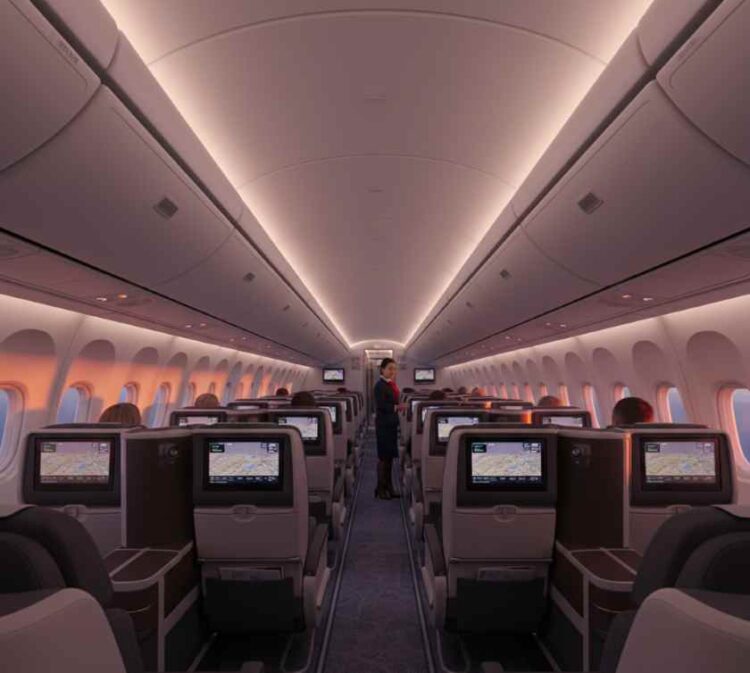
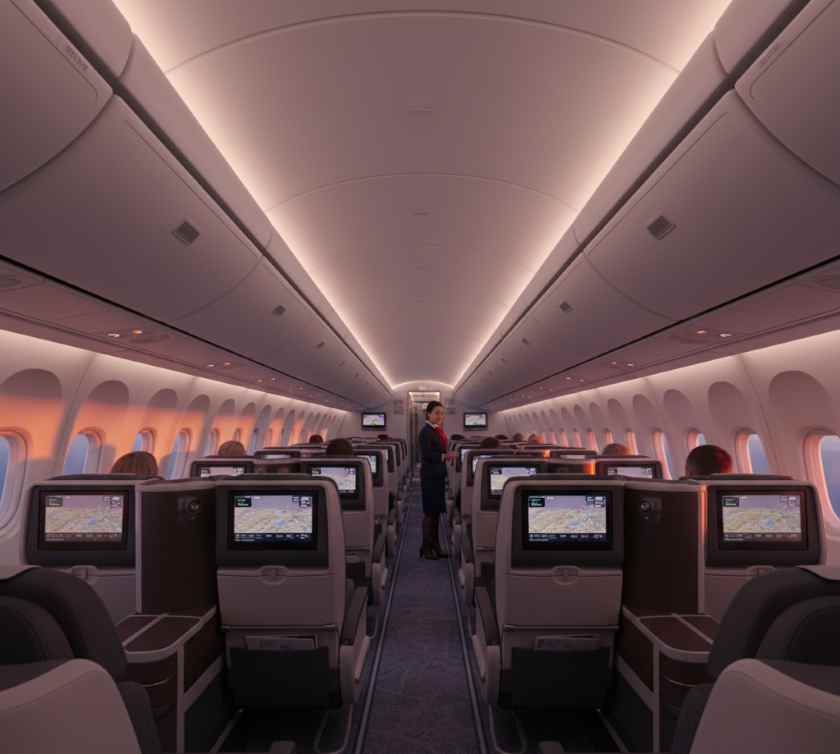
Korean Air and Asiana Airlines Begin Full Integration with New A350 Seating and Ground Operations
Article Summary:
Korean Air and Asiana Airlines are advancing their merger process, with the first visible change being the introduction of unified seating on Asiana’s Airbus A350 aircraft. This upgrade is part of a broader strategy for full integration, aiming to enhance the customer experience on Asiana flights. The article highlights this shift as a significant development in travel tech, reflecting the airlines’ commitment to modernizing their services and improving passenger experience.
Key Points:
Actionable Takeaways:
Contextual Insights:
The merger of Korean Air and Asiana Airlines, coupled with the introduction of unified seating on the A350, underscores a broader trend in the travel industry towards consolidation and technological innovation. As airlines seek to differentiate themselves in a competitive market, upgrades to fleet interiors and enhanced customer experiences become critical. This development aligns with the latest travel trends, where passenger-centric services and technological integration are key differentiators. Furthermore, the merger signals a consolidation phase in the airline sector, where larger entities can leverage economies of scale and operational efficiencies. For travel startups and fintech companies, this trend presents opportunities in partnering with larger airlines to leverage their technological advancements and market reach, potentially leading to innovative solutions in travel booking, payment systems, and customer engagement. Overall, the article reflects a forward-looking perspective on the travel industry, emphasizing the importance of strategic mergers and technological investments to stay competitive in an evolving market landscape.
Read the Complete Article.
Boutique Travel VC raises investment cap from $1.5M to $10M to lead rounds and support portfolio companies through growth Travel...
Read moreDetails




