





















Travel Capitalist Ventures Expands Check Size to $10 Million to Deepen Emerging Market Conviction
Boutique Travel VC raises investment cap from $1.5M to $10M to lead rounds and support portfolio companies through growth Travel...
Read moreDetails
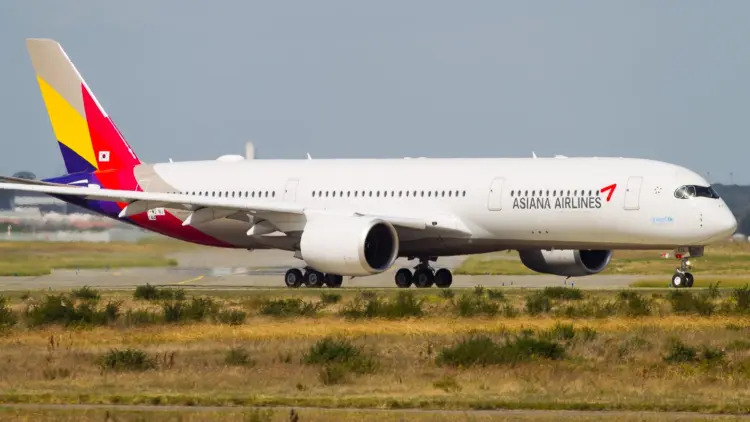
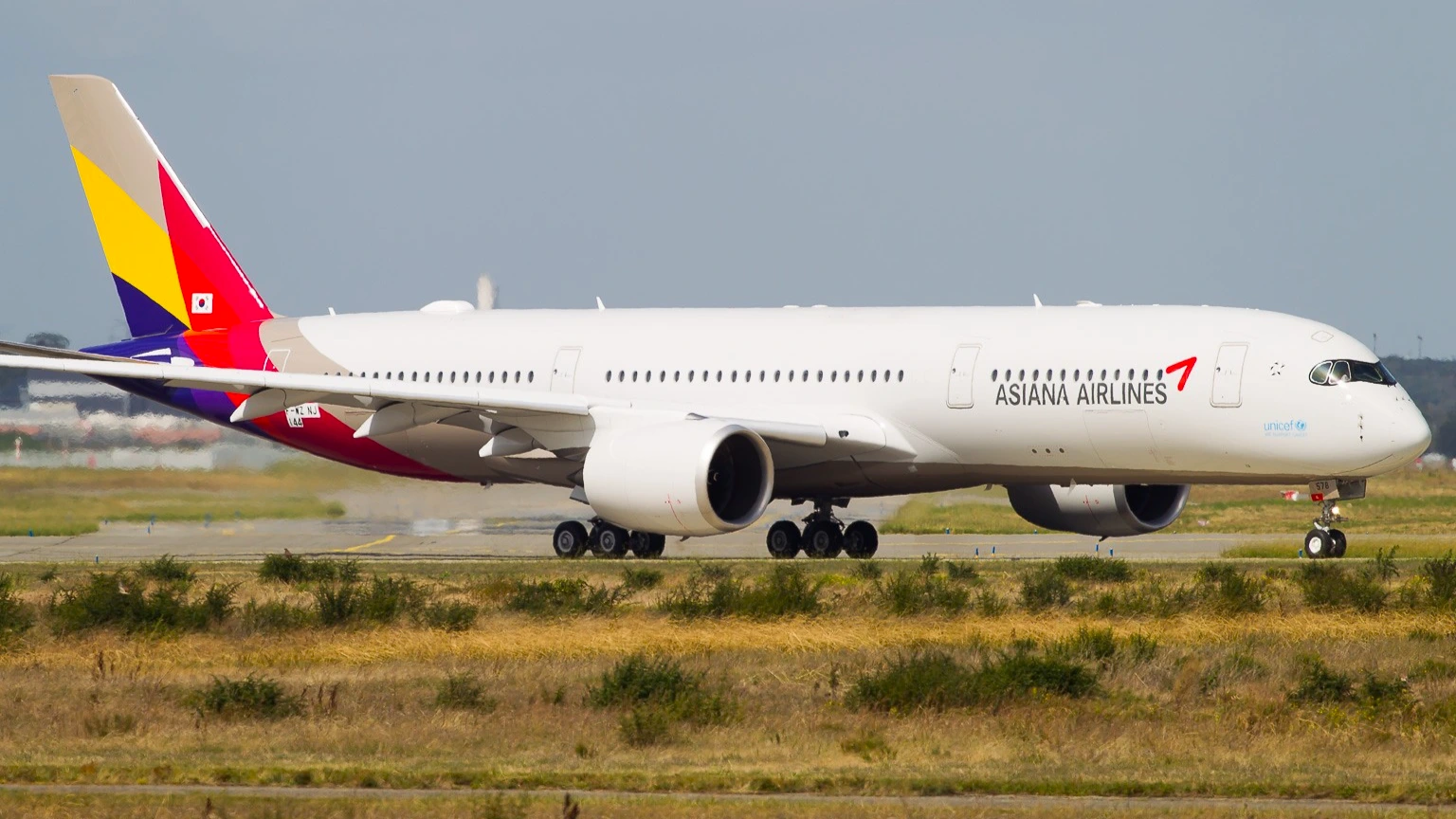
Photo: Asiana Airlines
Article Summary:
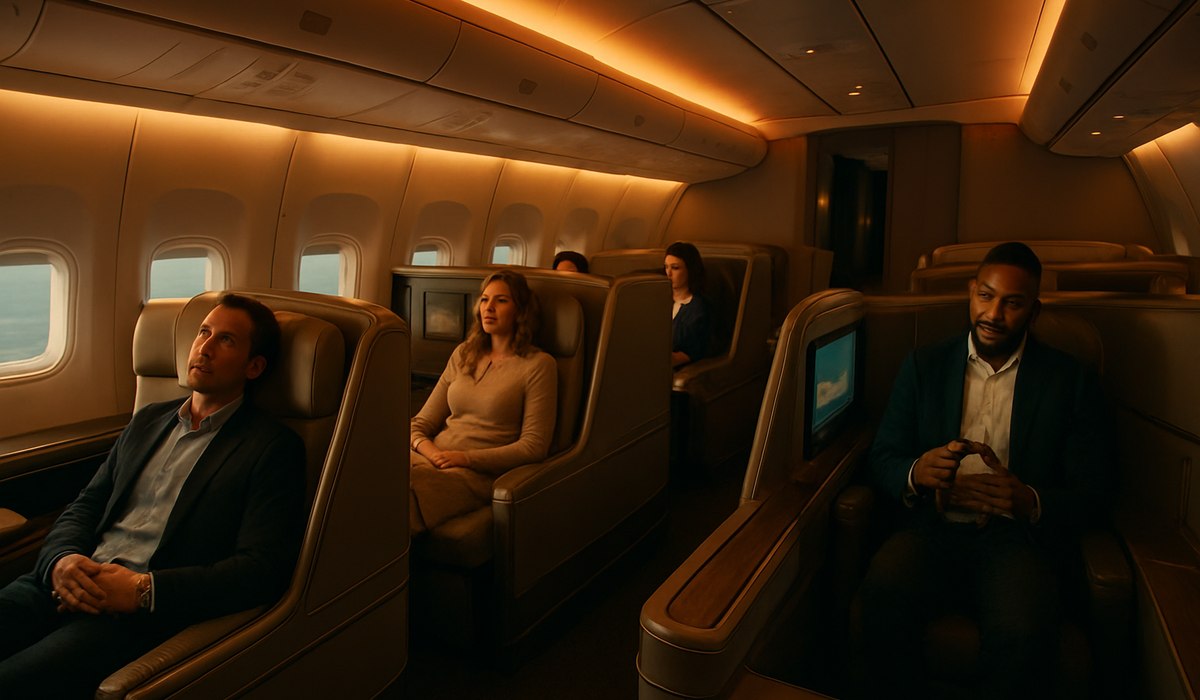
Asiana Airlines (OZ) is undergoing a full cabin refit to introduce Korean Air (KE) seat designs across its Airbus A350 fleet. This transition is part of the broader alignment of product and service features in preparation for the full integration of the two airlines, which are currently operating separately. The seating overhaul is a significant development as both airlines align their offerings ahead of the merger.
Key Points:
Actionable Takeaways:
Contextual Insights:
The cabin refit reflects a broader trend in the travel industry towards enhancing passenger experience through innovative seating designs. As the aviation sector continues to evolve, technological advancements in cabin design are becoming increasingly important. This move by Asiana and Korean Air aligns with the growing emphasis on passenger comfort and satisfaction, a key factor in competitive differentiation. Furthermore, the alignment of product and service features in preparation for integration underscores the strategic importance of operational synergy in mergers within the travel sector. This development is likely to have a ripple effect on other airlines, potentially driving further investments in passenger experience enhancements. As the travel industry continues to navigate post-pandemic recovery, innovations like these will be crucial in rebuilding consumer confidence and loyalty.
Read the Complete Article.
Boutique Travel VC raises investment cap from $1.5M to $10M to lead rounds and support portfolio companies through growth Travel...
Read moreDetails




