![Songjeong Beach is crowded with surfers. [Yonhap News]](https://images.traveltrade.today/wp-content/uploads/2026/04/Busan-Develops-Wellness-Tourism-Products.png)

























Travel Capitalist Ventures Expands Check Size to $10 Million to Deepen Emerging Market Conviction
Boutique Travel VC raises investment cap from $1.5M to $10M to lead rounds and support portfolio companies through growth Travel...
Read moreDetails
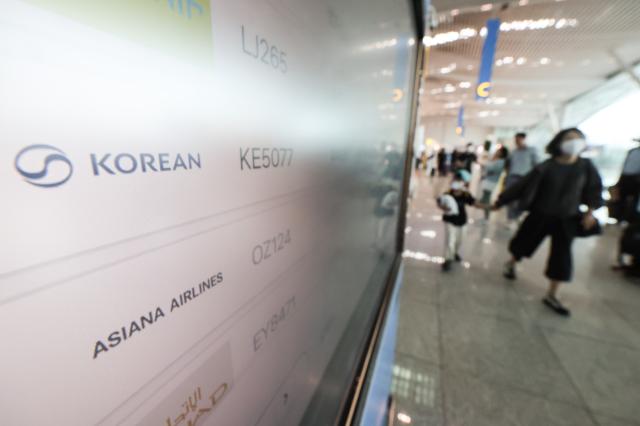
Flight information boards at Incheon International Airport/ Yonhap
Article Summary:
South Korea’s antitrust regulator, the Fair Trade Commission (FTC), has imposed penalties totaling 6.5 billion won ($5 million) on Korean Air and Asiana Airlines for violating merger-approval conditions. Korean Air will be fined 5.88 billion won, while Asiana Airlines will receive a 580 million won penalty. The violations involved a sharp reduction in seat supply, which contravened the conditions set for their merger approval.
Key Points:
Actionable Takeaways:
Contextual Insights:
The imposition of these fines reflects the ongoing regulatory scrutiny in the travel industry, particularly concerning mergers and acquisitions. As the travel sector continues to evolve, with increasing globalization and digital transformation, regulatory bodies like the FTC play a crucial role in ensuring fair competition and consumer protection. The fines serve as a reminder to travel companies to prioritize compliance and strategic planning in their business operations. Furthermore, this case highlights the potential impact of regulatory actions on market behavior, suggesting that companies must remain vigilant and adaptable to regulatory changes to maintain a competitive edge.
Read the Complete Article.
Boutique Travel VC raises investment cap from $1.5M to $10M to lead rounds and support portfolio companies through growth Travel...
Read moreDetails



Busan, South Korea — October 10, 2023 In short: Busan Metropolitan Government and Busan Tourism Organization launch wellness tourism program...
Read moreDetails
