






















Travel Capitalist Ventures Expands Check Size to $10 Million to Deepen Emerging Market Conviction
Boutique Travel VC raises investment cap from $1.5M to $10M to lead rounds and support portfolio companies through growth Travel...
Read moreDetails
Korean Air Joins Asiana, Jin Air, Air Busan, and Air Seoul to Offer Starlink Wi-Fi Fleetwide—Don’t M...
Article Summary:
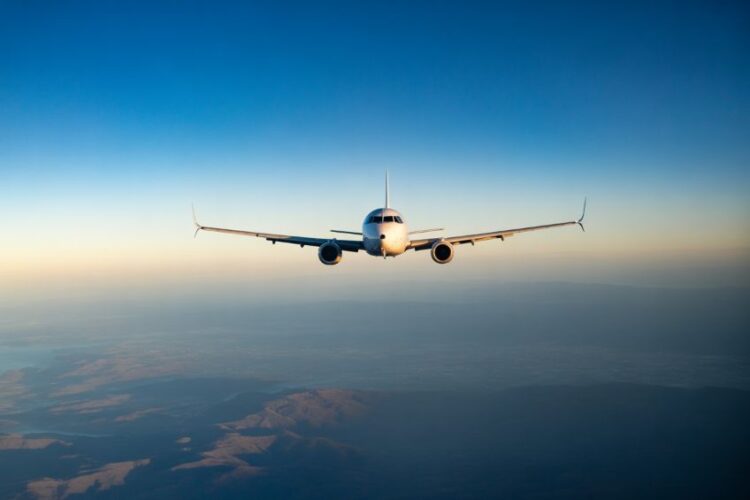
Korean Air, in collaboration with Asiana Airlines, Jin Air, Air Busan, and Air Seoul, has announced plans to roll out Starlink high-speed in-flight Wi-Fi across their entire fleet by 2025. This initiative aims to revolutionize the in-flight connectivity experience, setting a new standard in air travel technology.
Key Points:
Actionable Takeaways:
Contextual Insights:
The introduction of Starlink high-speed in-flight Wi-Fi by Korean Air and its partners reflects a broader trend in the travel industry towards integrating advanced technology to enhance passenger experience. This development aligns with the growing demand for connectivity and entertainment during air travel, as highlighted by recent industry reports and expert analyses. The move underscores the importance of technological innovation in maintaining competitive advantage in the airline sector, where passenger experience is a key differentiator. Furthermore, it highlights the increasing role of satellite internet providers in shaping the future of air travel, suggesting a potential convergence of satellite technology and traditional aviation services.
Read the Complete Article.
Boutique Travel VC raises investment cap from $1.5M to $10M to lead rounds and support portfolio companies through growth Travel...
Read moreDetails




