
























Travel Capitalist Ventures Expands Check Size to $10 Million to Deepen Emerging Market Conviction
Boutique Travel VC raises investment cap from $1.5M to $10M to lead rounds and support portfolio companies through growth Travel...
Read moreDetails

Korean Air and Asiana Airlines Merge: What This Means for Your Next Flight with These Top Airlines!
Article Summary:
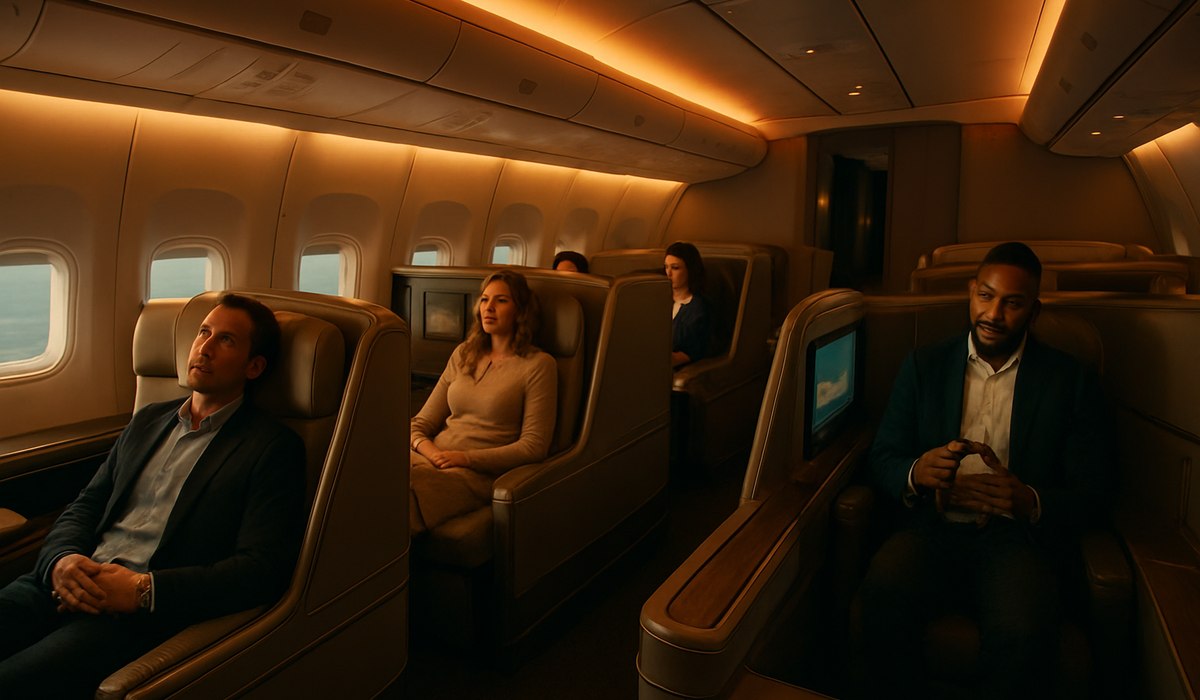
Korean Air and Asiana Airlines are in the process of a full integration, marking a significant development in the airline industry. This merger includes a major overhaul of their fleet interiors, with Asiana Airlines replacing its seating on the Airbus A350 fleet with the Korean Air Prestige and Economy seats. The transition began four years ago and signifies a strategic move towards enhanced passenger experience and operational efficiency.
Key Points:
Actionable Takeaways:
Contextual Insights:
The merger of Korean Air and Asiana Airlines reflects a broader trend in the travel industry towards consolidation and strategic partnerships aimed at enhancing service offerings and operational efficiencies. This development aligns with the current industry focus on technological advancements and passenger-centric services. As the travel industry continues to evolve, such integrations are likely to become more common, driven by the need for airlines to compete in a rapidly changing market. The focus on fleet modernization, as seen in this merger, underscores the industry’s commitment to leveraging technology to improve the travel experience. Additionally, the strategic move highlights the importance of passenger experience in differentiating airlines in a crowded market, a trend that is expected to gain further momentum as technology and consumer expectations continue to evolve.
Read the Complete Article.
Boutique Travel VC raises investment cap from $1.5M to $10M to lead rounds and support portfolio companies through growth Travel...
Read moreDetails




