




No products in the cart.
- Latest
- Trending

![[Photo source = Yonhap News]](https://traveltrade.today/wp-content/uploads/2025/09/Korean-Air-Asiana-Merger-Reshapes-Domestic-Aviation.png)
[Photo source = Yonhap News]
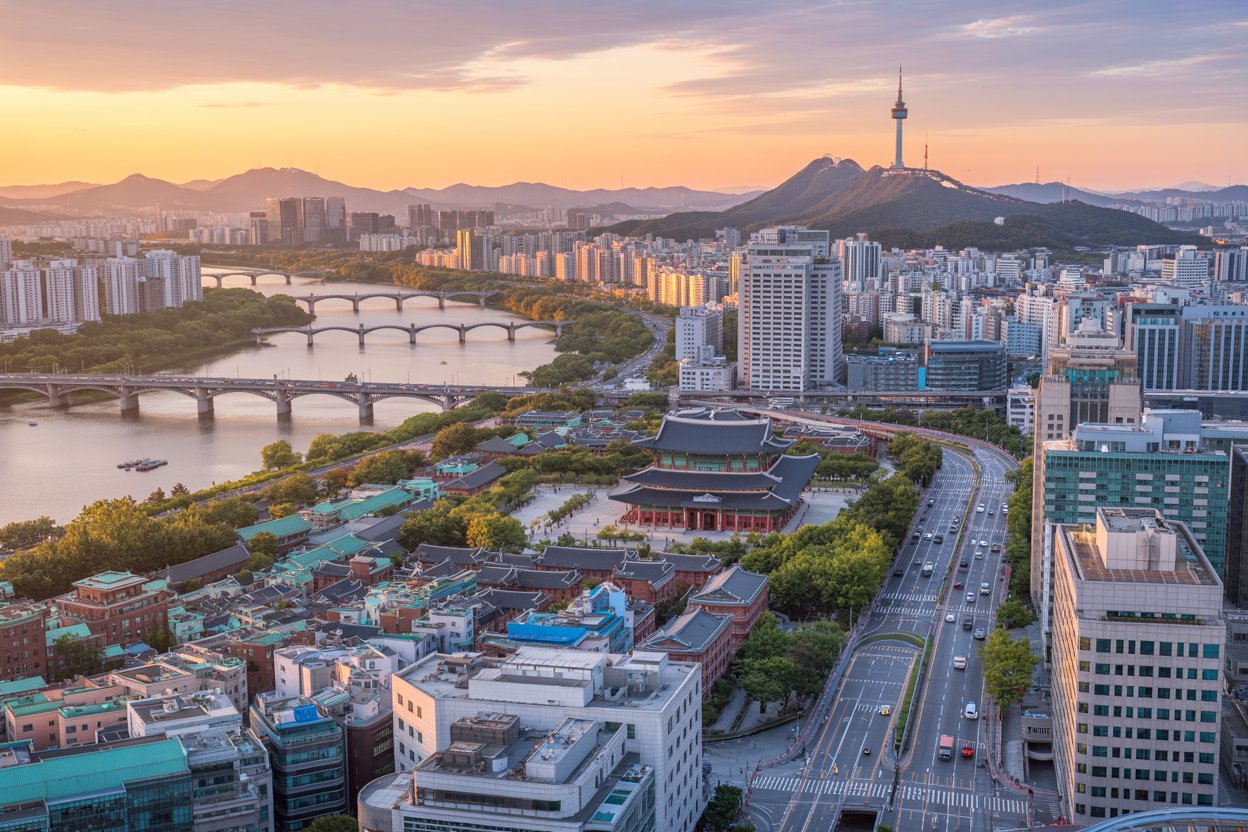
South Korea’s tourism industry is experiencing an unprecedented surge, marking a significant comeback and setting new records. The first four months of 2024 have witnessed a remarkable influx of foreign visitors, signaling a robust recovery and a bright future for the nation’s travel sector. This growth is not just a statistical anomaly; it’s a testament to strategic marketing, improved visitor experiences, and a renewed global interest in South Korea’s rich culture and diverse attractions.
The Ministry of Culture, Sports and Tourism, in collaboration with the Korea Tourism Organization (KTO), has been instrumental in driving this expansion. Their efforts have focused on attracting a wider array of tourists, from business travelers to leisure seekers, and diversifying the country’s appeal beyond traditional hotspots. The data clearly indicates that these initiatives are yielding substantial results, with visitor numbers consistently exceeding expectations.
A key driver of this success has been the effective promotion of South Korea as a premier destination for cultural immersion, technological innovation, and culinary delights. From the bustling streets of Seoul to the serene landscapes of Jeju Island, the country offers a multifaceted experience that resonates with international travelers. The rise of K-culture, encompassing K-pop, K-drama, and Korean cuisine, continues to be a powerful magnet, drawing a growing demographic of fans eager to experience the source of their favorite entertainment.
Furthermore, the government’s commitment to enhancing tourism infrastructure and streamlining visa processes has played a crucial role. Investments in transportation, accommodation, and digital services have made traveling within and to South Korea more convenient and enjoyable. This focus on improving the overall visitor journey is critical for fostering repeat visits and positive word-of-mouth, essential elements for sustained growth.
The economic impact of this tourism boom cannot be overstated. The increased number of visitors translates directly into higher spending on accommodation, dining, shopping, and local attractions, injecting significant revenue into the Korean economy. This growth is vital for job creation within the hospitality and service sectors, contributing to broader economic stability and development. As South Korea solidifies its position on the global tourism map, the momentum built in early 2024 suggests a promising trajectory for the remainder of the year and beyond.
Read the Complete Article.
Get curated travel AI insights — choose the newsletters that matter to you.
ALTOUR Expands into Thailand, Strengthening Corporate Travel Network Across Southeast Asia BANGKOK, THAILAND (25 March, 2026) – ALTOUR, a leading...
Read moreDetails


Comprehensive Summarization: The article discusses the challenges and adaptations faced by Saudi Arabia's tourism sector amidst ongoing war disruptions, within...
Read moreDetails