






No products in the cart.
- Latest
- Trending

Korean Air – Asiana Merger Triggers Route Reassignments to Prevent Monopoly: What You Need to Know
Korean Air and Asiana Airlines Merger Triggers Route Reassignments to Prevent Monopoly
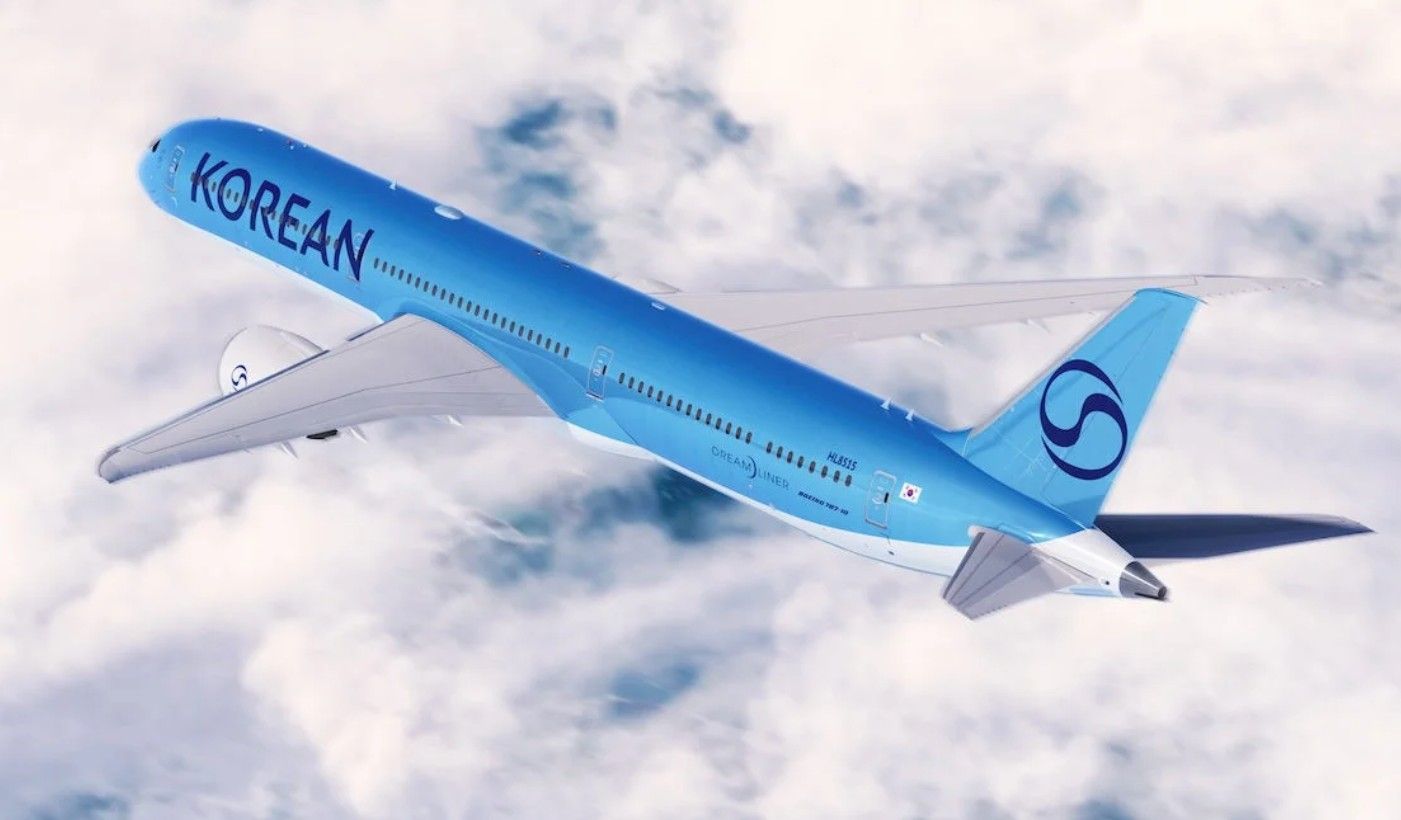
A significant shift is occurring in the South Korean airline industry as the proposed merger between Korean Air and Asiana Airlines prompts mandatory route reassignments. This move is designed to address concerns about potential monopoly power and ensure fair competition in the market. The regulatory bodies involved are requiring Korean Air to divest certain routes to other carriers to maintain a balanced aviation landscape.
Route Divestment and Competition
The primary objective behind these route reassignments is to prevent Korean Air from gaining an overwhelming advantage following its acquisition of Asiana Airlines. By relinquishing specific flight paths, Korean Air will create opportunities for other airlines to compete on these routes. This action is a crucial step in the approval process for the merger, aiming to protect consumer choice and prevent potential price gouging or service reductions that could arise from a consolidated market.
The article highlights that these divestments are not isolated incidents but rather a condition set by competition authorities. The goal is to ensure that the South Korean aviation market remains dynamic and serves the interests of passengers and other industry stakeholders. The specific routes designated for reassignment are those where the combined entity of Korean Air and Asiana would have held a dominant market share.
What This Means for Travelers
For travelers, the reassignment of routes could translate into more choices on certain flight paths. As other airlines step in to operate on these divested routes, passengers may find new carriers offering services, potentially leading to increased competition in pricing and service quality. The long-term impact will depend on which airlines acquire these routes and how they choose to integrate them into their networks.
The merger, which has been under scrutiny by various international regulatory bodies, is proceeding with these conditions in place. The outcome of these route adjustments will be a key factor in determining the final structure of the South Korean airline industry and its competitive dynamics for the foreseeable future.
Key Points
Read the Complete Article.
Get curated travel AI insights — choose the newsletters that matter to you.
ALTOUR Expands into Thailand, Strengthening Corporate Travel Network Across Southeast Asia BANGKOK, THAILAND (25 March, 2026) – ALTOUR, a leading...
Read moreDetails


Comprehensive Summarization: The article highlights Cambodia's strategy to boost sustainable tourism growth by encouraging provinces to develop unique tourism brands....
Read moreDetails