

![Boy band BTS [HYBE]](https://images.traveltrade.today/wp-content/uploads/2026/04/Seoul-Hosts-BTS-Fan-Events-for-City-Arirang-Seoul.jpg)























Travel Capitalist Ventures Expands Check Size to $10 Million to Deepen Emerging Market Conviction
Boutique Travel VC raises investment cap from $1.5M to $10M to lead rounds and support portfolio companies through growth Travel...
Read moreDetails

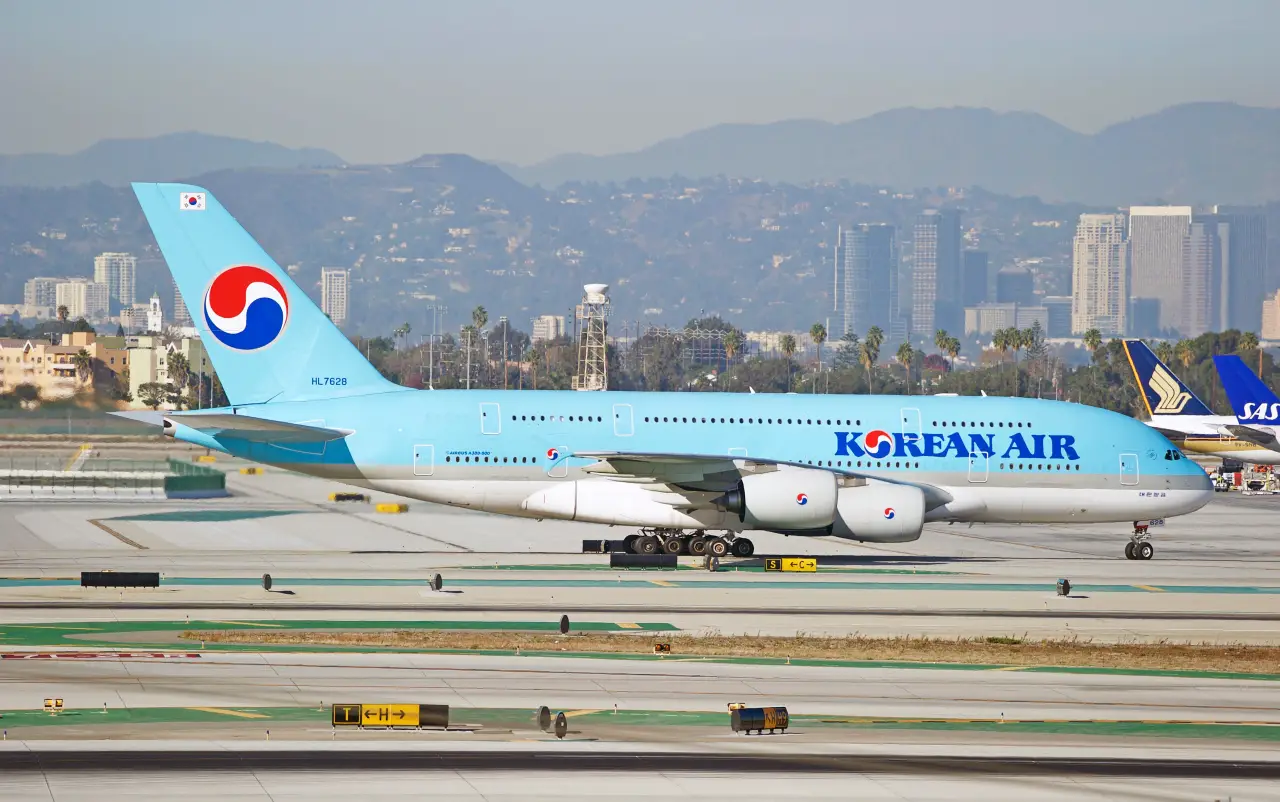
Korean Air, Asiana Airlines routes in the process of redistribution to avoid post-merger monopoly
Article Summary:
The Korean Ministry of Land, Infrastructure and Transport, along with the Korea Fair Trade Commission, have finalized the selection of replacement airlines for major monopolistic routes following the merger of Korean Air and Asiana Airlines. This decision is part of structural corrective measures ordered by antitrust regulators. The acquisition, valued at US$1.3 billion, was completed in December 2024, with Korean Air taking control of two-thirds of Asiana Airlines. The merger is set to continue as a significant development in the aviation sector, impacting market dynamics and regulatory compliance.
Key Points:
Actionable Takeaways:
Contextual Insights:
The merger of Korean Air and Asiana Airlines, driven by regulatory measures, reflects a broader trend in the travel industry towards consolidation and regulatory oversight. This context is particularly relevant in an era where antitrust regulations are increasingly scrutinizing corporate mergers to ensure fair competition and prevent market dominance. The decision underscores the importance of regulatory bodies in maintaining a balanced market, which is essential for fostering innovation and ensuring consumer welfare.
In the context of current travel trends, the focus on regulatory compliance and market fairness aligns with the growing emphasis on sustainability and technological advancement. Travel startups and fintech innovations are increasingly leveraging technology to offer more efficient, sustainable, and customer-centric solutions. The merger could spur further innovation in these areas, as larger airlines invest in cutting-edge technologies to maintain their competitive edge. Additionally, the emphasis on service quality and efficiency is a key driver for the adoption of new technologies, such as AI and data analytics, which can enhance operational efficiency and improve the passenger experience.
Overall, the article highlights the intersection of regulatory compliance, market dynamics, and technological innovation within the travel industry. The actionable takeaways provide practical insights for stakeholders, emphasizing the need for adaptability and strategic planning in response to regulatory changes and market shifts.
Read the Complete Article.
Boutique Travel VC raises investment cap from $1.5M to $10M to lead rounds and support portfolio companies through growth Travel...
Read moreDetails



Comprehensive Summarization: Kenya Airways is currently offering discounted flights to New York for travelers planning to attend the 2026 FIFA...
Read moreDetails
