



















Travel Capitalist Ventures Expands Check Size to $10 Million to Deepen Emerging Market Conviction
Boutique Travel VC raises investment cap from $1.5M to $10M to lead rounds and support portfolio companies through growth Travel...
Read moreDetails
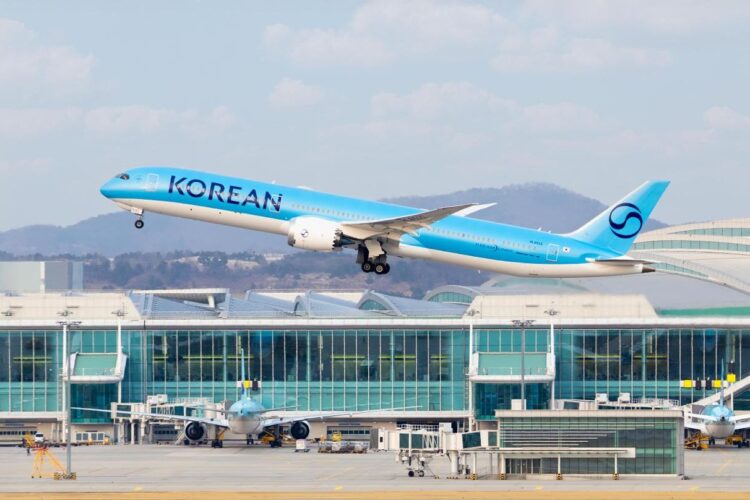
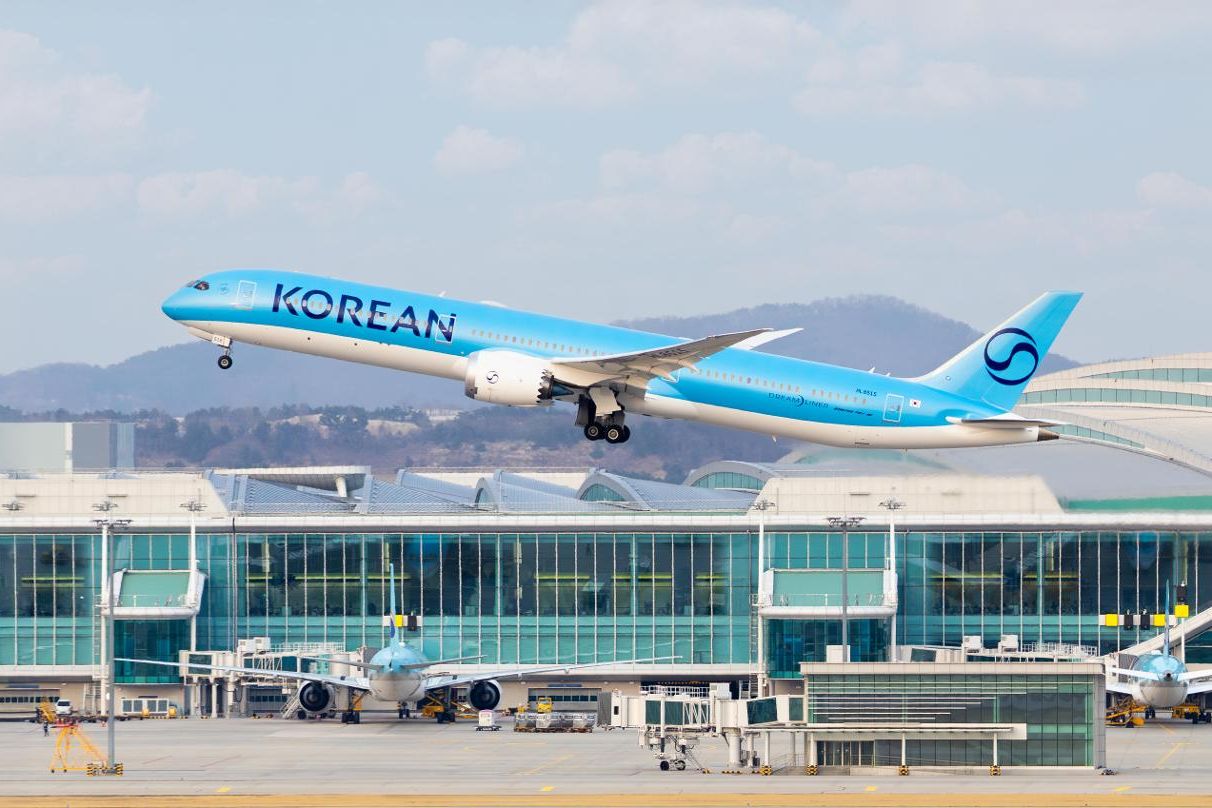
Korean Air accelerates decarbonization drive for sustainable flight
Article Summary:
Korean Air is intensifying its commitment to decarbonization by upgrading its fleet and implementing various fuel efficiency programs. As part of its efforts to achieve net zero emissions, the airline has introduced more fuel-efficient aircraft, such as the Boeing 787-10 and Airbus A350, which consume less fuel per seat compared to older models. This strategic move aligns with broader industry trends towards sustainability and technological advancement in the travel sector.
Key Points:
Actionable Takeaways:
Contextual Insights:
The article reflects the ongoing global shift towards sustainability within the travel industry. As environmental concerns become increasingly prominent, airlines and travel companies are under pressure to adopt greener practices. Korean Air’s strategic focus on fleet upgrades and fuel efficiency not only positions the airline as a leader in sustainability but also sets a benchmark for others in the industry. The integration of advanced aircraft models like the Boeing 787-10 and Airbus A350 demonstrates a commitment to reducing operational emissions, a trend that is likely to gain momentum as more companies recognize the economic and reputational benefits of sustainable aviation. Furthermore, the emphasis on ESG reporting highlights the growing importance of transparency and accountability in corporate practices, suggesting that future industry developments will likely prioritize these aspects even more.
Read the Complete Article.
Boutique Travel VC raises investment cap from $1.5M to $10M to lead rounds and support portfolio companies through growth Travel...
Read moreDetails




