



















Travel Capitalist Ventures Expands Check Size to $10 Million to Deepen Emerging Market Conviction
Boutique Travel VC raises investment cap from $1.5M to $10M to lead rounds and support portfolio companies through growth Travel...
Read moreDetails
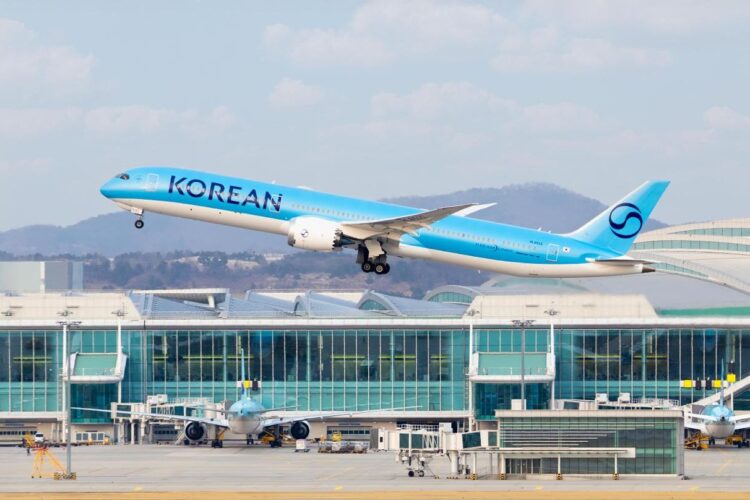
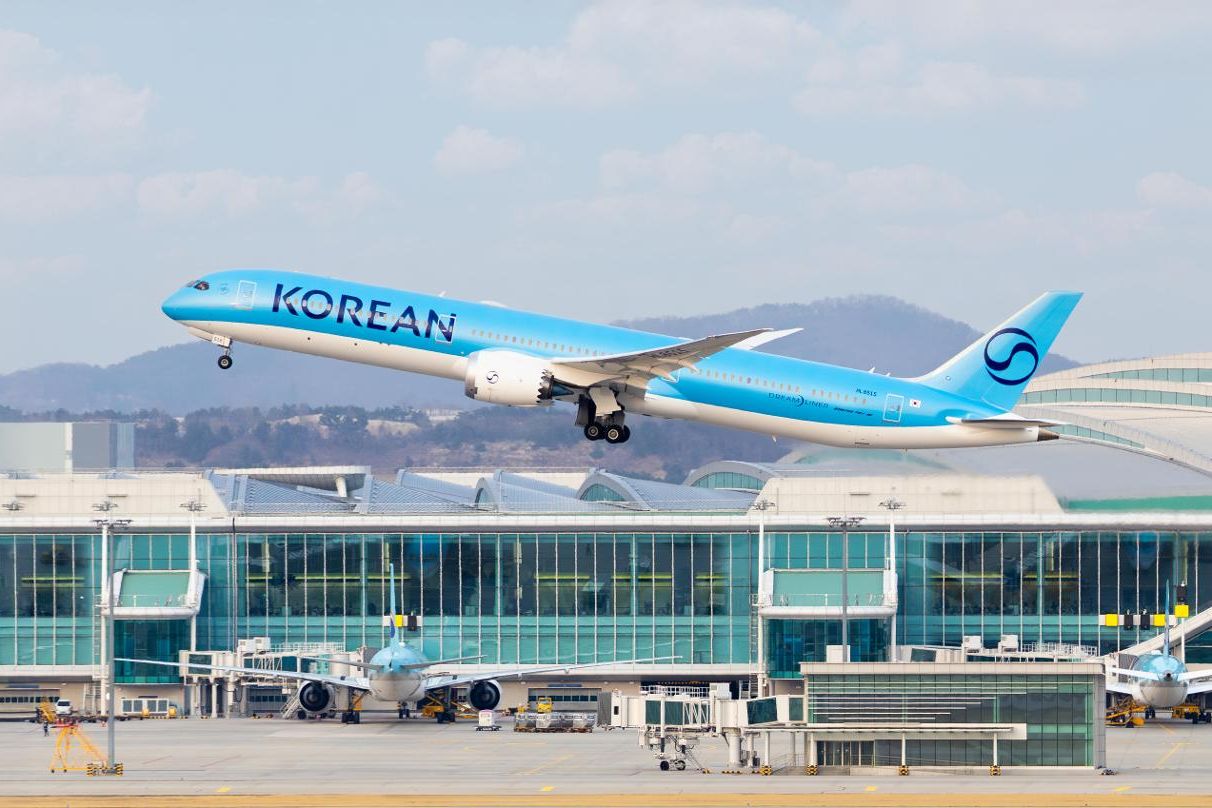
Korean Air accelerates decarbonization drive for sustainable flight
Article Summary:
Korean Air is intensifying its commitment to decarbonization by upgrading its fleet and implementing various fuel efficiency programs. As part of its efforts to achieve net zero emissions, the airline has introduced more fuel-efficient aircraft, such as the Boeing 787-10 and Airbus A350, which consume less fuel per seat compared to older models. This strategic move is detailed in the airline’s latest environmental, social, and corporate governance (ESG) report.
Key Points:
Actionable Takeaways:
Contextual Insights:
The article reflects the ongoing global trend towards sustainability in the travel industry, particularly in aviation. As environmental concerns become increasingly prominent, airlines are under pressure to adopt greener technologies and practices. Korean Air’s proactive approach to fleet modernization and fuel efficiency aligns with broader industry shifts towards net zero emissions. This trend is supported by thought leaders who emphasize the critical role of technology and innovation in achieving sustainability goals. Furthermore, the integration of sustainable aviation fuels and advanced aircraft designs is becoming a standard expectation among consumers and investors, making such initiatives not only environmentally responsible but also strategically advantageous for market positioning.
Read the Complete Article.
Boutique Travel VC raises investment cap from $1.5M to $10M to lead rounds and support portfolio companies through growth Travel...
Read moreDetails




