





![Songjeong Beach is crowded with surfers. [Yonhap News]](https://images.traveltrade.today/wp-content/uploads/2026/04/Busan-Develops-Wellness-Tourism-Products.png)



















Travel Capitalist Ventures Expands Check Size to $10 Million to Deepen Emerging Market Conviction
Boutique Travel VC raises investment cap from $1.5M to $10M to lead rounds and support portfolio companies through growth Travel...
Read moreDetails

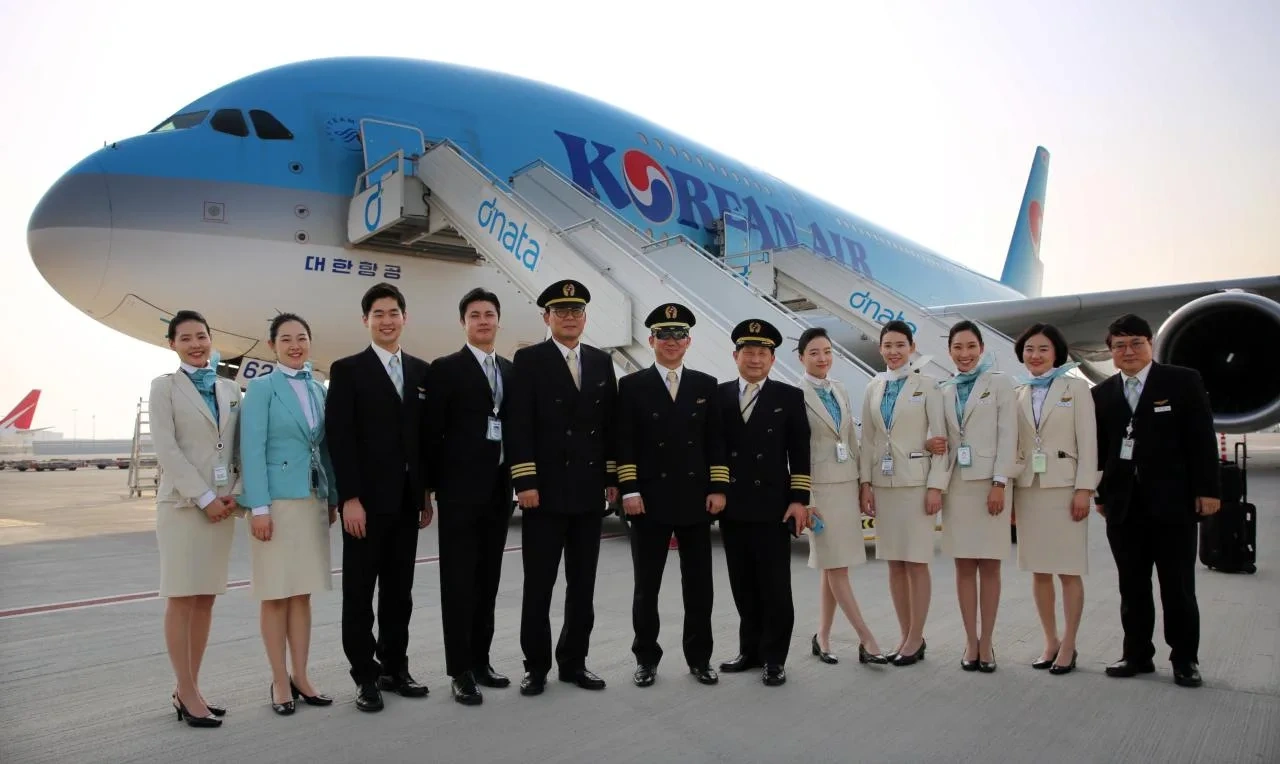
Tourism in Guam: Impact of Korean Air’s Capacity Reduction on Visitor Numbers
Article Summary:
Korean Air, South Korea’s flagship carrier, is considering reducing its flight capacity to Guam due to low passenger loads. This decision reflects the broader challenges faced by the airline industry in the Pacific region, where travel demand is declining. Despite Guam’s popularity as a vacation and business destination, fluctuations in international tourism have prompted Korean Air to adjust its capacity in response to the changing market conditions.
Key Points:
Actionable Takeaways:
Contextual Insights:
The decision by Korean Air to reduce its flight capacity to Guam is indicative of the broader challenges faced by the airline industry in the Pacific region. Recent travel trends indicate a decline in international tourism, which has forced airlines to reassess their operational strategies. This situation highlights the importance of adaptability and market responsiveness in the travel sector. Furthermore, the article aligns with current industry trends emphasizing the need for airlines to leverage data analytics and market insights to inform strategic decisions. As the travel industry continues to navigate uncertainties, the ability to adapt capacity in response to market conditions will be a key determinant of success for airlines like Korean Air. Additionally, this scenario underscores the growing significance of fintech innovations in managing financial risks and optimizing operational efficiency in the travel sector.
Read the Complete Article.
Boutique Travel VC raises investment cap from $1.5M to $10M to lead rounds and support portfolio companies through growth Travel...
Read moreDetails



Comprehensive Summarization: The article discusses Khyber Pakhtunkhwa (KP) Chief Minister Mohammad Sohail Afridi's directive to assess the feasibility of establishing...
Read moreDetails
