


No products in the cart.
- Latest
- Trending


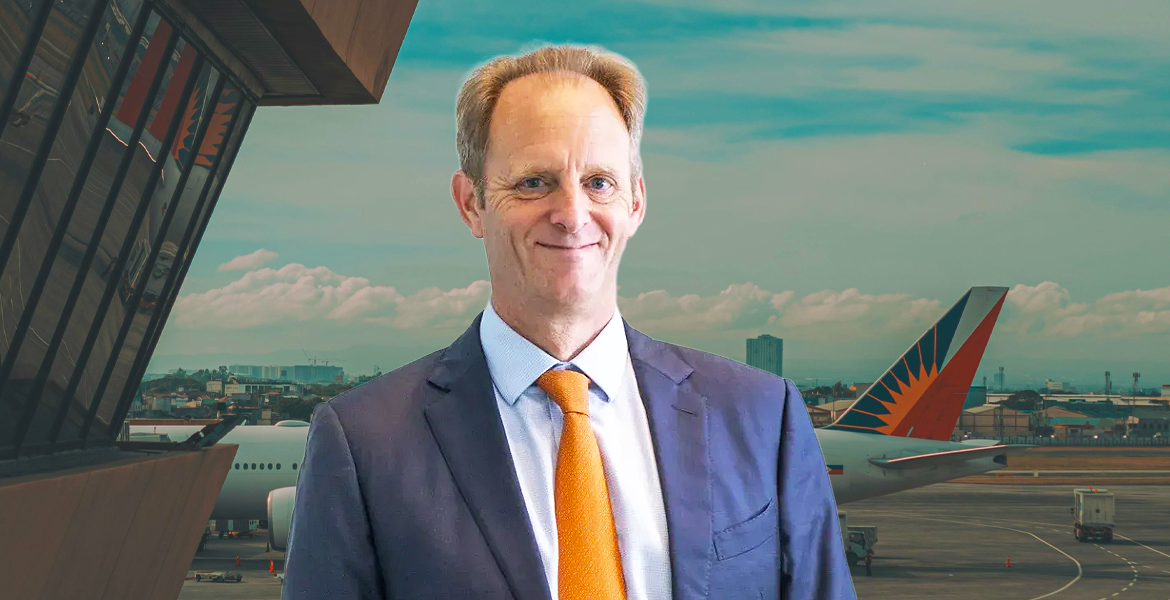
Walter Cho, chair and CEO of Hanjin Group and Korean Air, attends a press conference at Korean Air headquarters in Incheon on March 11. (Joint Press Corps)
South Korea’s tourism industry is experiencing a dramatic resurgence, fueled by strategic visa waivers, the enduring popularity of K-culture, and targeted marketing efforts. International arrivals are soaring, exceeding pre-pandemic levels in certain key demographics and pointing to a robust recovery for the nation’s tourism sector.
The recent temporary visa waiver program, specifically targeting visitors from countries like Japan, Taiwan, and Macau, has proven remarkably successful. This initiative, coupled with the continued global fascination with Korean dramas, music (K-Pop), and cuisine, is driving a significant influx of tourists. The government’s proactive approach in promoting these cultural assets as key tourism draws is clearly paying off.
Beyond the visa waivers and K-culture appeal, South Korea is actively engaging in targeted marketing campaigns to attract specific demographics, including families and younger travelers. These campaigns often highlight unique regional experiences, historical sites, and the country’s modern urban landscapes.
The impact of this tourism boom extends beyond just the hospitality sector. Restaurants, retailers, transportation services, and cultural attractions are all benefiting from the increased spending by international visitors. This surge in tourism is providing a much-needed boost to the Korean economy and solidifying the country’s position as a leading travel destination in Asia.
While the recovery is undeniably positive, the industry faces challenges. Managing the increased influx of tourists, ensuring sustainable tourism practices, and maintaining the quality of the visitor experience are crucial for long-term success. Further investments in infrastructure and training are essential to meet the demands of this growing sector. Continued innovation in tourism products and services, catering to evolving traveler preferences, will also be key to maintaining momentum.
Key Points
Read the Complete Article.
Get curated travel AI insights — choose the newsletters that matter to you.
ALTOUR Expands into Thailand, Strengthening Corporate Travel Network Across Southeast Asia BANGKOK, THAILAND (25 March, 2026) – ALTOUR, a leading...
Read moreDetails


Comprehensive Summarization: The article discusses contrasting trends in the Middle East's tourism sector, highlighting Saudi Arabia's hotel sector showing surprising...
Read moreDetails