





No products in the cart.
- Latest
- Trending
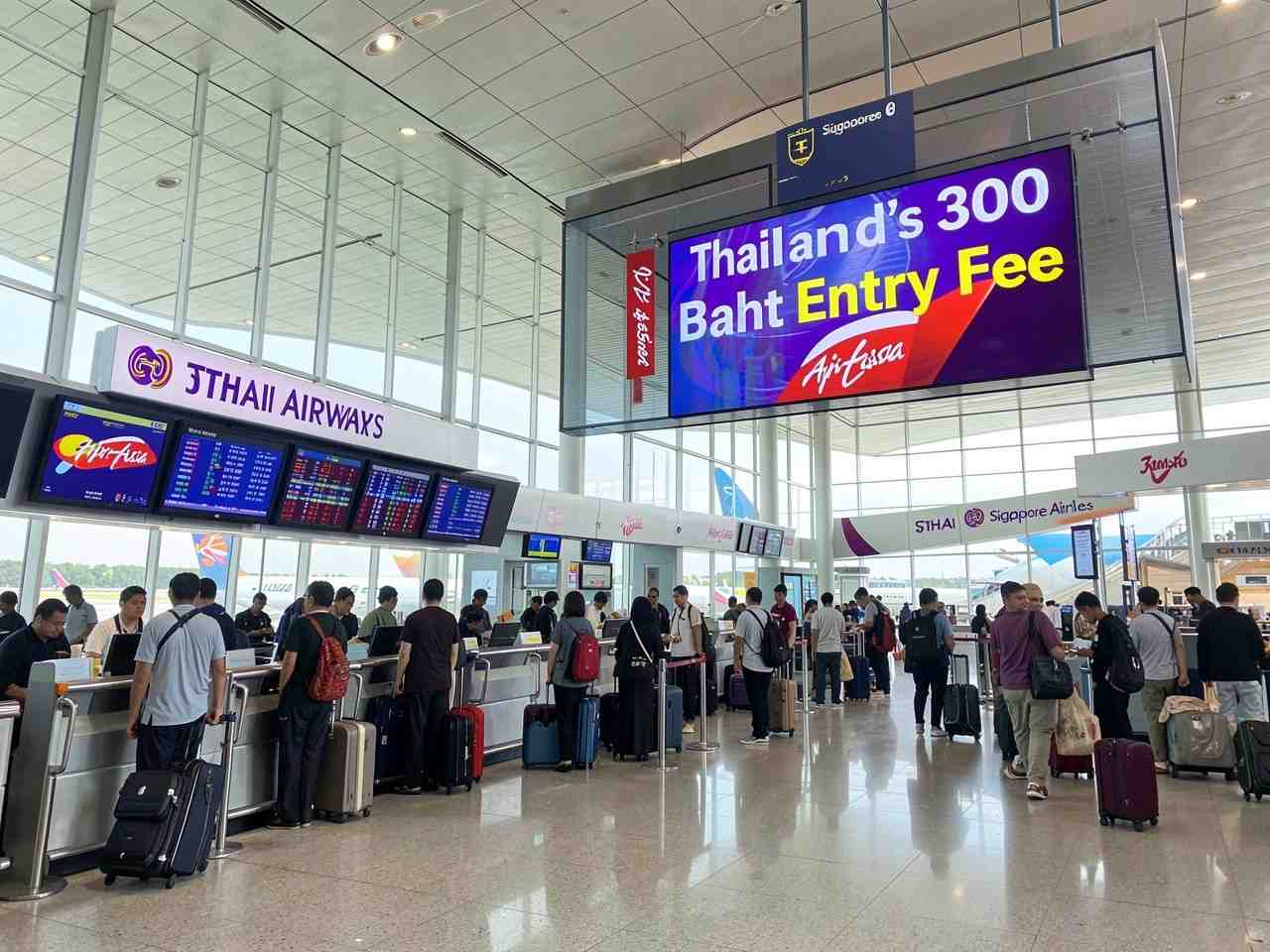


Officials are washing the fuselage of a spring aircraft at the Korean Air maintenance hangar located at Incheon International Airport. Maekyung DB
The Korean tourism industry is poised for a significant rebound, fueled by a surge in inbound travelers and strategic government initiatives. This resurgence marks a welcome shift after pandemic-related disruptions. Projections indicate a substantial increase in visitors, particularly from Southeast Asia, driven by relaxed visa requirements and enhanced marketing campaigns.
The government is actively promoting "K-tourism," leveraging the global popularity of Korean culture, including K-pop and K-dramas, to attract a wider audience. This includes developing unique tourism products and experiences tailored to diverse interests, focusing not only on major cities but also on regional destinations to distribute tourism revenue more broadly. Efforts are also underway to improve tourism infrastructure, including transportation and accommodation, to better cater to the needs of international visitors.
A key strategy involves diversifying the tourism market, reducing reliance on traditional markets and attracting visitors from new regions with high growth potential. Partnerships with airlines and travel agencies are being forged to offer attractive travel packages and promote Korea as a premier destination. The industry is also embracing digital technologies to enhance the tourist experience, providing seamless access to information and services through mobile apps and online platforms. This includes virtual tours, interactive maps, and real-time translation services.
Sustainability is another crucial aspect of the industry’s revitalization efforts. Initiatives are being implemented to promote responsible tourism practices, minimize environmental impact, and support local communities. This includes eco-tourism programs, waste reduction campaigns, and partnerships with local businesses to offer authentic cultural experiences. The focus is on creating a tourism industry that is not only economically viable but also environmentally and socially responsible. The concerted efforts from both the public and private sectors signal a promising future for Korean tourism.
Key Points:
Read the Complete Article.
Get curated travel AI insights — choose the newsletters that matter to you.
ALTOUR Expands into Thailand, Strengthening Corporate Travel Network Across Southeast Asia BANGKOK, THAILAND (25 March, 2026) – ALTOUR, a leading...
Read moreDetails


Comprehensive Summarization: The article from Travel and Tour World warns UK travelers about an upcoming price hike on Air Passenger...
Read moreDetails