





















Travel Capitalist Ventures Expands Check Size to $10 Million to Deepen Emerging Market Conviction
Boutique Travel VC raises investment cap from $1.5M to $10M to lead rounds and support portfolio companies through growth Travel...
Read moreDetails
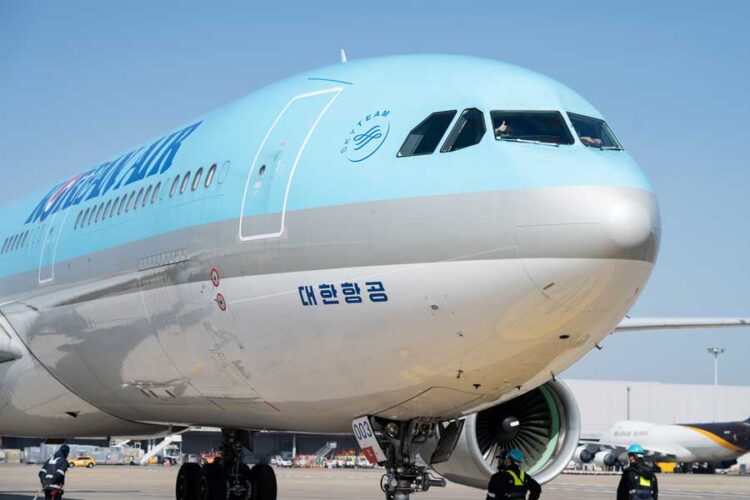
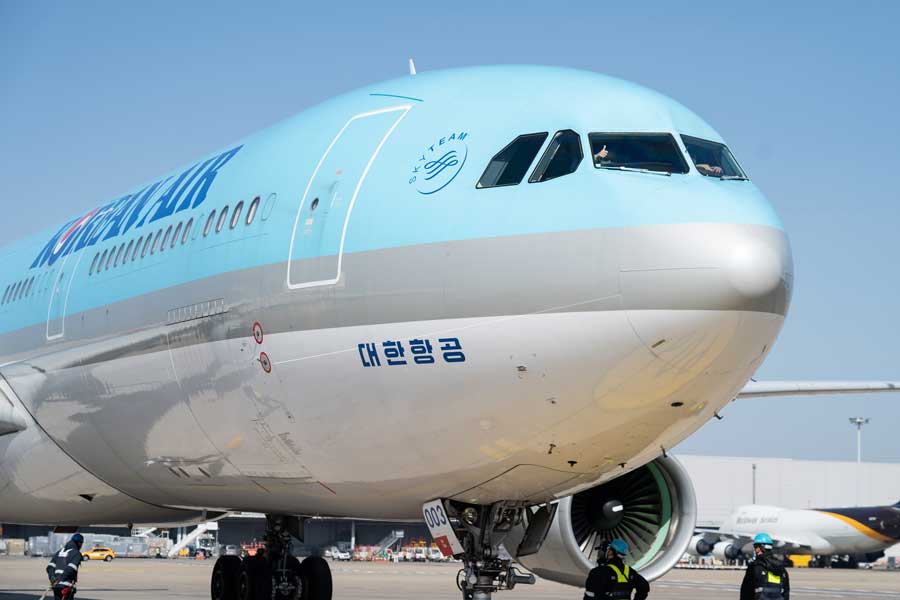
Korean Air reduces Okayama–Seoul/Incheon service from Oct 28
Article Summary:
Korean Air has reduced its service on the Okayama, Japan – Seoul/Incheon route, effective October 28. The route, which previously operated four round trips per week, will now offer three round trips, excluding Tuesdays. The flights use Boeing 737-8 or Boeing 737-800 aircraft, with flight times of 2 hours from Okayama and 1 hour 30 minutes from Seoul/Incheon. The reduction is attributed to the average load factor from April to June, which was below the desired threshold.
Key Points:
Actionable Takeaways:
Contextual Insights:
The reduction in Korean Air’s service on the Okayama – Seoul/Incheon route reflects broader industry trends where airlines are increasingly focusing on operational efficiency and cost management. With fluctuating demand and varying load factors, airlines are leveraging data analytics to make informed decisions about route adjustments. This aligns with the growing trend of using technology and data to enhance travel experiences and operational efficiency. For startups and fintech companies in the travel sector, this scenario presents an opportunity to innovate in areas such as route optimization, dynamic pricing, and personalized travel solutions. By leveraging real-time data and predictive analytics, these companies can offer tailored services that meet the evolving needs of travelers, thereby gaining a competitive edge in the market.
Read the Complete Article.
Boutique Travel VC raises investment cap from $1.5M to $10M to lead rounds and support portfolio companies through growth Travel...
Read moreDetails




