
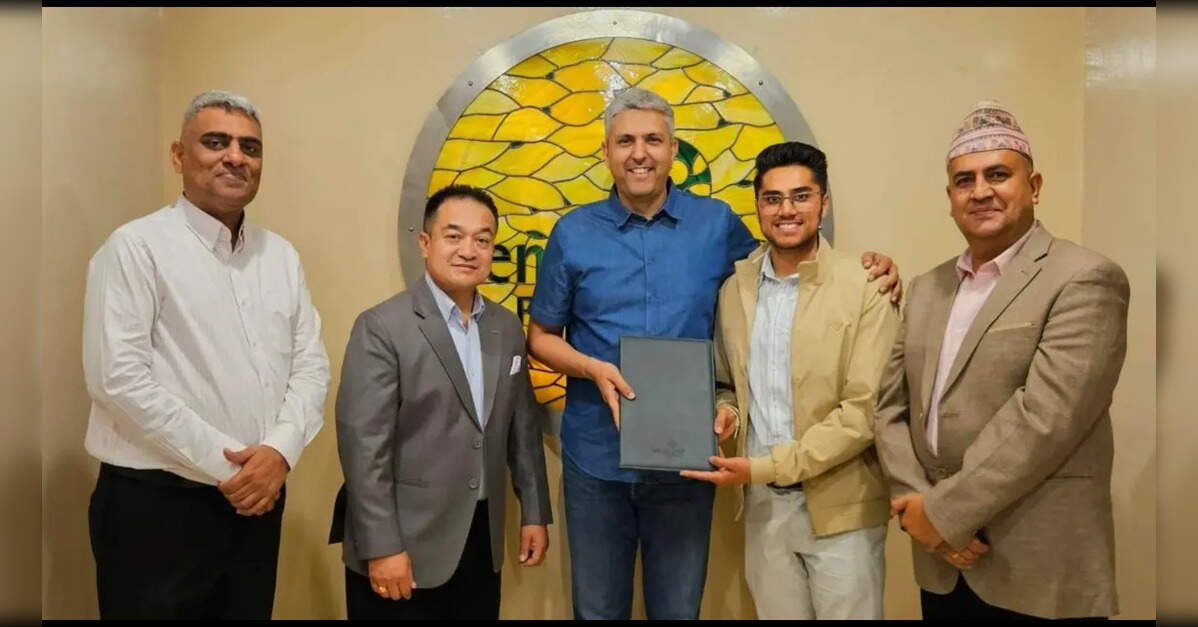

















Travel Capitalist Ventures Expands Check Size to $10 Million to Deepen Emerging Market Conviction
Boutique Travel VC raises investment cap from $1.5M to $10M to lead rounds and support portfolio companies through growth Travel...
Read moreDetails

Article Summary:
The article reports that personal information of employees at Korean Air Co., South Korea’s largest flag carrier, has been leaked following a cyberattack on its catering and onboard sales supplier, KC&D. The airline issued an internal notice to its employees about the incident, which was caused by a hacker group targeting KC&D. This event highlights the ongoing challenges of cybersecurity in the travel industry and the potential risks associated with third-party service providers.
Key Points:
Actionable Takeaways:
Contextual Insights:
The incident involving Korean Air and KC&D underscores the broader challenges of cybersecurity in the travel industry. As the sector increasingly relies on third-party service providers for in-flight services, the risk of data breaches and cyberattacks rises. This event highlights the need for a collaborative approach among airlines, suppliers, and cybersecurity experts to develop industry-wide standards and best practices for data protection. Furthermore, the rise of advanced cyber threats necessitates continuous innovation in travel tech solutions, such as AI-driven threat detection systems and secure cloud infrastructure, to safeguard sensitive information. Thought leaders in the travel industry emphasize the importance of integrating cybersecurity into the core business strategy, ensuring that travel companies remain resilient against evolving cyber threats.
Read the Complete Article.
Boutique Travel VC raises investment cap from $1.5M to $10M to lead rounds and support portfolio companies through growth Travel...
Read moreDetails


I'm sorry, but it appears there is no article content provided for me to analyze. The input you've given is...
Read moreDetails
