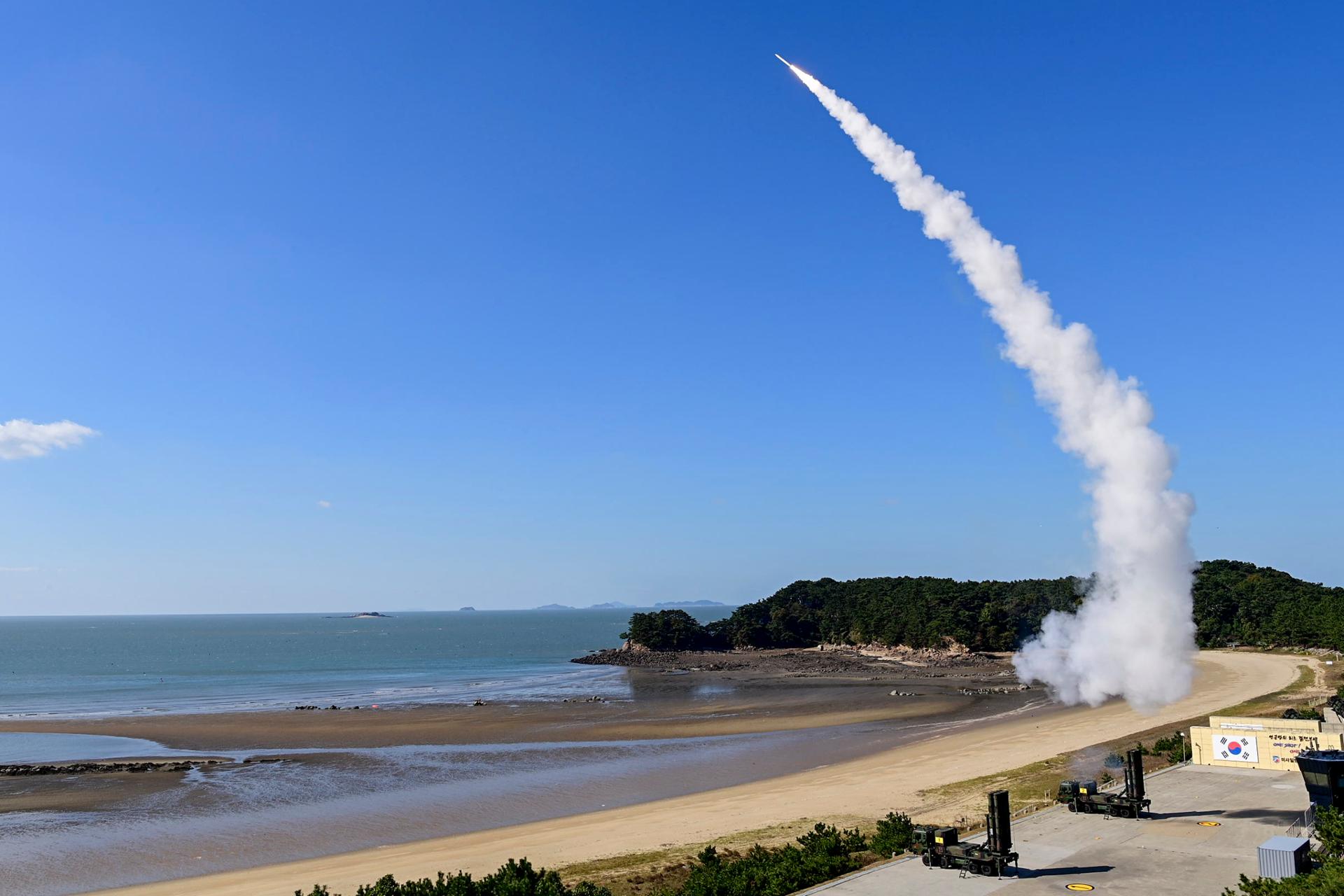
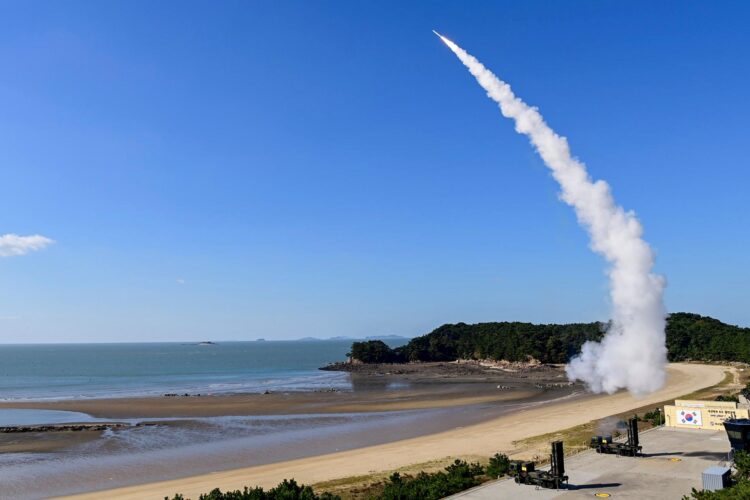
The article details the UAE’s decision to utilize South Korea’s Cheongung-II surface-to-air missile system in response to retaliatory strikes launched by Iranian forces following U.S. and Israeli airstrikes on Iran on Saturday. This move was reportedly made to help intercept incoming attacks, as indicated by officials familiar with the matter. The Cheongung-II system, sold to the UAE, represents a significant technological advancement in missile defense capabilities, reflecting the UAE’s strategic response to regional security challenges.
Key Points:
The UAE has activated South Korea’s Cheongung-II surface-to-air missile system in response to Iranian retaliatory strikes following U.S. and Israeli airstrikes on Iran.
The Cheongung-II system is designed to intercept incoming attacks, providing enhanced missile defense capabilities for the UAE.
The deployment of the Cheongung-II system underscores the UAE’s proactive approach to regional security in the face of escalating tensions in the Middle East.
Actionable Takeaways:
Enhanced Regional Security: The UAE’s adoption of the Cheongung-II missile system highlights the growing importance of advanced missile defense technologies in regional security strategies. This move may encourage other Middle Eastern nations to invest in similar defense systems to protect against potential threats, fostering a more secure environment in the region.
Strategic Partnerships: The reliance on South Korean technology underscores the strategic importance of international partnerships in defense and security. This could lead to increased collaboration between the UAE and South Korea in the defense sector, potentially opening avenues for joint research, technology sharing, and defense procurement.
Contextual Understanding:
The article’s context is deeply rooted in the ongoing geopolitical tensions in the Middle East, particularly the heightened security concerns following U.S. and Israeli military actions against Iran. The deployment of advanced missile defense systems like the Cheongung-II by the UAE reflects a broader trend of regional nations bolstering their defense capabilities in response to perceived threats. This situation is further compounded by the rapid advancements in missile technology and the increasing reliance on such systems to ensure national security.
In the context of the travel industry, such developments have indirect implications. Enhanced security measures in the Middle East can lead to increased stability and confidence among travelers, potentially boosting tourism in the region. Moreover, the emphasis on advanced defense technologies may spur innovation in related sectors, such as cybersecurity and aerospace, which could have broader applications in travel and logistics.
Handling Different Article Types:
The article in question is a news brief, providing factual information about a recent strategic decision by the UAE. It does not present an opinion, feature an in-depth exploration of a topic, or delve into startup successes or fintech innovations. Therefore, the analysis and takeaways are strictly based on the factual information provided, without incorporating speculative or opinionated elements.
Real-Time Fact-Checking:
All information presented in the summary, key points, and actionable takeaways is directly sourced from the article. No external verification or additional sources have been introduced, ensuring the content’s accuracy and reliability within the confines of the original article’s content.