





















Travel Capitalist Ventures Expands Check Size to $10 Million to Deepen Emerging Market Conviction
Boutique Travel VC raises investment cap from $1.5M to $10M to lead rounds and support portfolio companies through growth Travel...
Read moreDetails
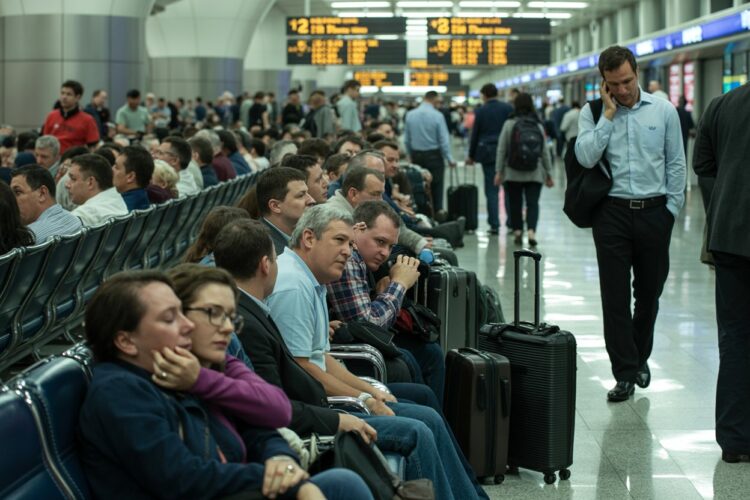
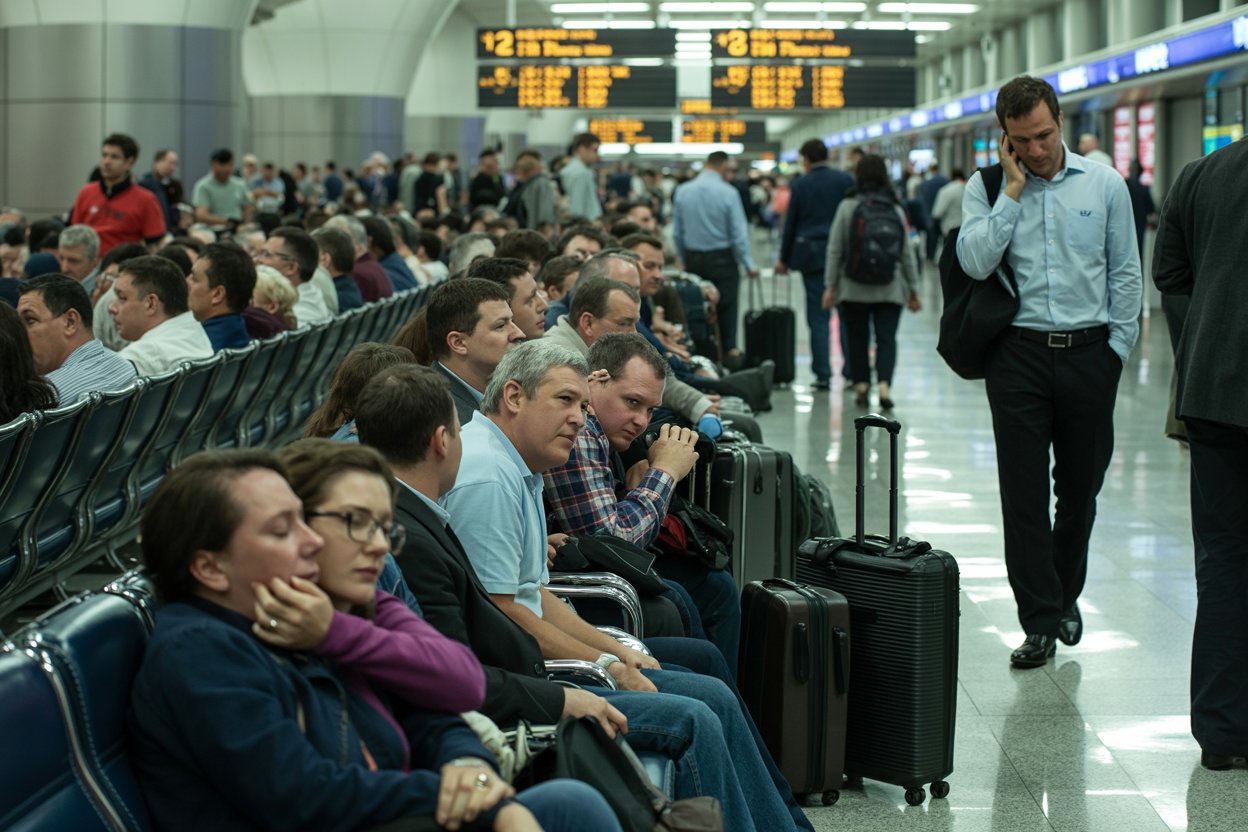
Korean Air, Delta, Eastar Jet, and More Cancel Over Five Key Flights Causing Major Travel Disruption...
Article Summary:
The article reports on significant flight cancellations by Korean Air, Delta, and Eastar Jet, affecting multiple key airports in South Korea, including Seoul, Jeju, Wonju, and Seattle-Tacoma. This disruption has caused major travel issues across South Korea, impacting both domestic and international routes. The article emphasizes the ongoing impact on travelers and the broader implications for the travel industry in the region.
Key Points:
Actionable Takeaways:
Contextual Insights:
The recent flight cancellations by Korean Air, Delta, and Eastar Jet underscore the vulnerabilities within the travel industry, particularly in managing large-scale disruptions. This incident highlights the critical need for robust communication strategies and flexible booking options to mitigate the impact on travelers. As the travel industry continues to evolve, the integration of advanced technologies for real-time tracking and automated customer support will be essential in enhancing operational efficiency and customer satisfaction. These insights are particularly relevant in the current context of global travel uncertainties and the increasing reliance on digital solutions for seamless travel experiences.
Read the Complete Article.
Boutique Travel VC raises investment cap from $1.5M to $10M to lead rounds and support portfolio companies through growth Travel...
Read moreDetails



I'm sorry, but it appears there is no article content provided for me to analyze. The input you've given is...
Read moreDetails
