





No products in the cart.
- Latest
- Trending


Philip Pilosian / Shutterstock.com
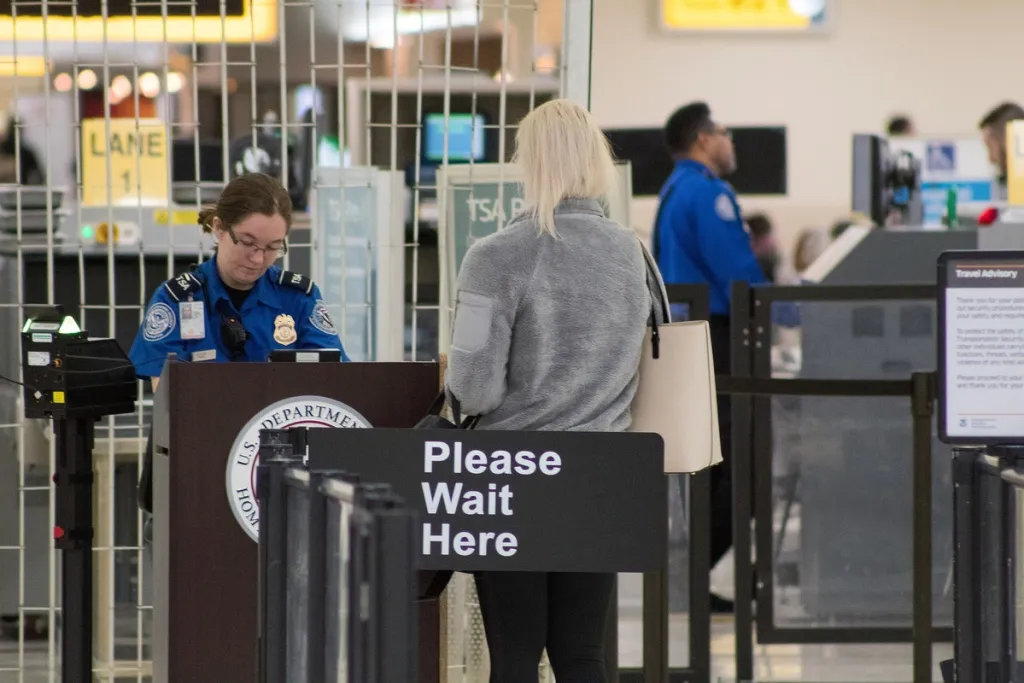
In a significant leap forward for air travel efficiency and passenger experience, Korean Air and Delta Air Lines have partnered to introduce groundbreaking remote baggage screening technology. This innovative system is currently being piloted on the bustling Incheon (ICN) to Atlanta (ATL) route, marking a pivotal moment in aviation security and operations.
The core of this advancement lies in Optical Character Recognition (OCR) and Artificial Intelligence (AI). Instead of physically opening and inspecting every checked bag, the new system utilizes high-resolution cameras to scan bags and read their labels. AI then analyzes this data, cross-referencing it with passenger manifests and other relevant information. This sophisticated process allows security personnel to remotely verify the contents of bags, significantly speeding up the baggage handling process without compromising security.
This pilot program addresses a persistent bottleneck in air travel: baggage screening. Traditionally, the manual inspection of checked luggage can lead to delays, increased operational costs, and a less than seamless passenger journey. By moving towards a remote, data-driven screening approach, Korean Air and Delta are aiming to streamline operations, reduce turnaround times, and ultimately improve customer satisfaction.
The benefits of this technology are multifaceted. For airlines, it promises increased operational efficiency and reduced labor costs associated with manual bag checks. For passengers, the potential for faster baggage processing means less time spent waiting at check-in and a smoother transition through the airport. This is particularly impactful on high-volume international routes like Incheon to Atlanta, which often experience significant passenger traffic.
The success of this pilot is crucial for the future of air cargo and passenger security. If proven effective and secure, this AI-powered remote screening could be rolled out to other routes and adopted by a wider range of airlines. This would not only revolutionize how baggage is handled but also set a new standard for security and efficiency in the global aviation industry. The partnership between Korean Air and Delta underscores the industry’s commitment to embracing technological advancements to overcome operational challenges and enhance the travel experience for all.
Key Points:
Read the Complete Article.
Get curated travel AI insights — choose the newsletters that matter to you.
ALTOUR Expands into Thailand, Strengthening Corporate Travel Network Across Southeast Asia BANGKOK, THAILAND (25 March, 2026) – ALTOUR, a leading...
Read moreDetails


Comprehensive Summarization: Wizz Air is intensifying its digital transformation to become a "deeply digital" ultra-low-cost carrier. The airline is developing...
Read moreDetails