






















Travel Capitalist Ventures Expands Check Size to $10 Million to Deepen Emerging Market Conviction
Boutique Travel VC raises investment cap from $1.5M to $10M to lead rounds and support portfolio companies through growth Travel...
Read moreDetails
(Image credit: Pixabay)
Article Summary:
Korean Air experienced a significant data breach affecting approximately 30,000 employees due to a supply-chain attack on its catering company, KC&D. The Cl0p ransomware group subsequently leaked 500 GB of data, which included sensitive information such as names and bank account numbers. This incident is reminiscent of the 2023 MOVEit attack, impacting numerous global firms through the Electronic B2B Services (EBS) platform.
Key Points:
Actionable Takeaways:
Contextual Insights:
The Korean Air data breach underscores the ongoing challenges faced by the travel industry in safeguarding sensitive information, especially as it increasingly relies on third-party service providers like KC&D. The incident mirrors broader trends in cybersecurity, where ransomware groups like Cl0p exploit vulnerabilities in supply chains to maximize impact. This situation highlights the need for travel companies to adopt a proactive approach to cybersecurity, integrating advanced threat detection systems and fostering a culture of security awareness among employees. Furthermore, the incident serves as a reminder of the interconnected nature of modern business operations, where a breach in one supply chain can have ripple effects across multiple organizations. As the travel industry continues to evolve, embracing innovative technologies such as AI-driven security solutions and blockchain for secure data transactions will be crucial in mitigating future risks and ensuring the resilience of travel operations against cyber threats.
Read the Complete Article.
Boutique Travel VC raises investment cap from $1.5M to $10M to lead rounds and support portfolio companies through growth Travel...
Read moreDetails



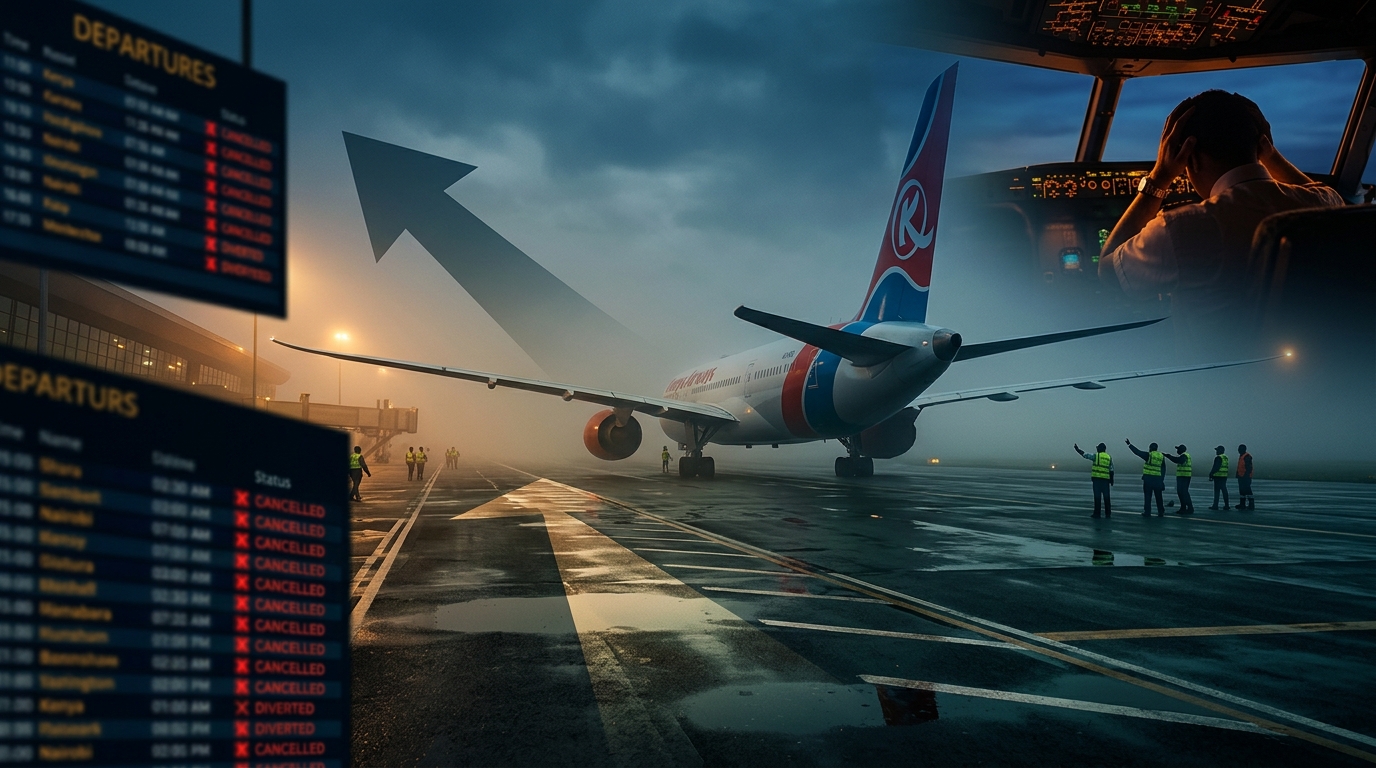
Comprehensive Summarization: The article details an incident where Kenya Airways was forced to initiate diversion protocols due to low visibility...
Read moreDetails
