





No products in the cart.
- Latest
- Trending

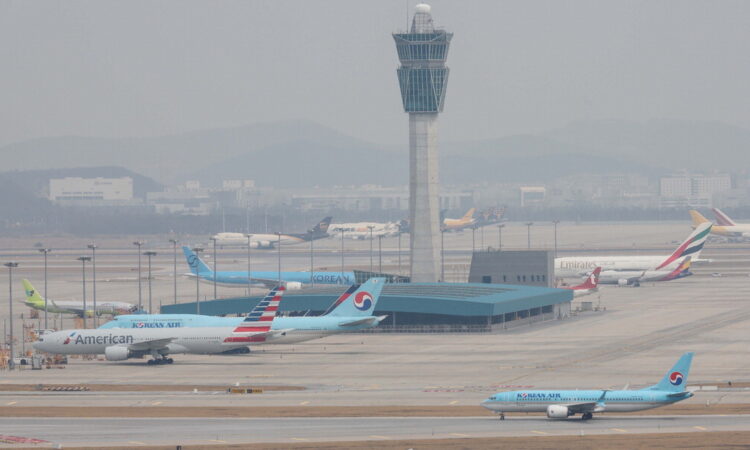
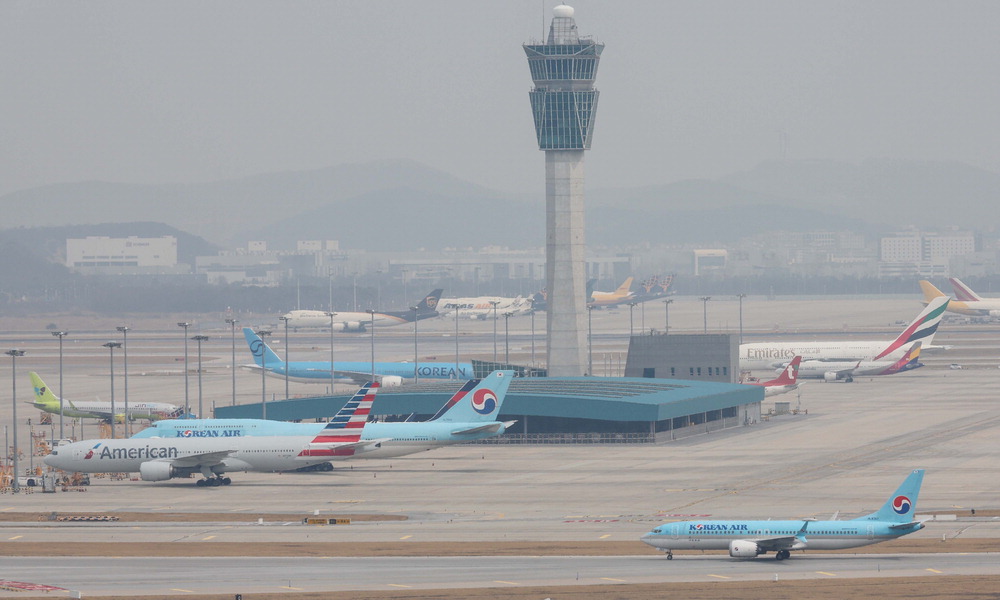
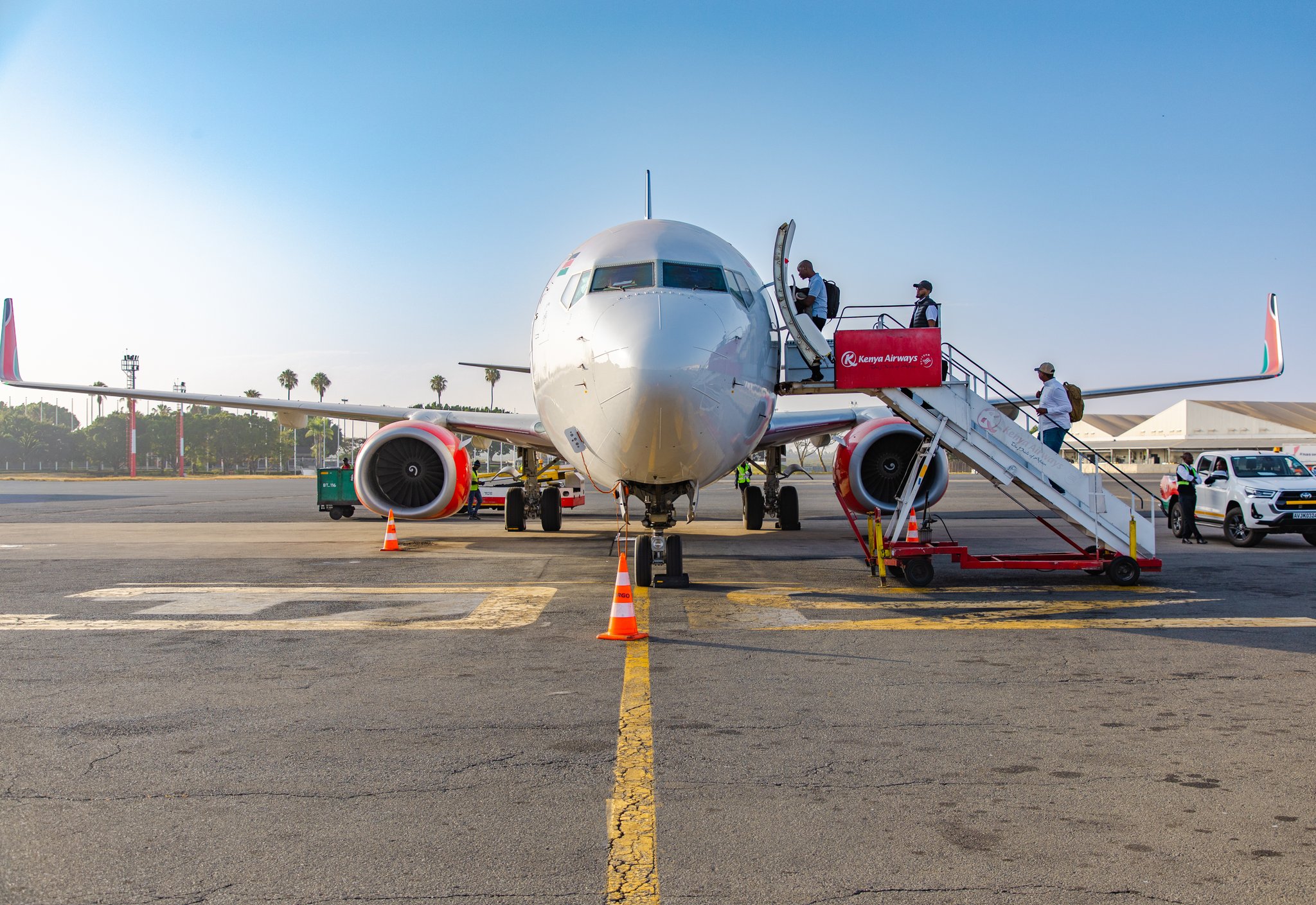
As international flights continue to be reduced due to the recent surge in oil prices, aircraft remain grounded at Terminals 1 and 2 of Incheon International Airport on the 30th. Photo by Han Ju-hyung
Comprehensive Summarization:
The article discusses the significant impact of soaring international oil prices, driven by instability in the Middle East, on major domestic full-service carriers. Jet fuel costs have far exceeded initial business plans, prompting Korean Air to shift its operations. The article highlights the challenges faced by the travel industry in managing increased operational costs and the need for carriers to adapt to these volatile market conditions. It also touches on the broader implications for the travel sector, emphasizing the importance of cost management and strategic adjustments in response to fluctuating oil prices.
Key Points:
Actionable Takeaways:
Contextual Insights:
The article reflects the current state of the travel industry, where oil price volatility poses a significant challenge to airlines’ financial health. The recent surge in oil prices, driven by geopolitical instability, underscores the importance of adaptability and resilience in the sector. As oil prices continue to fluctuate, travel companies must remain agile, leveraging technology and strategic planning to mitigate risks and capitalize on emerging opportunities. The insights provided in the article align with broader industry trends, emphasizing the critical role of cost management and innovation in sustaining growth and competitiveness in the travel sector.
Read the Complete Article.
Get curated travel AI insights — choose the newsletters that matter to you.
ALTOUR Expands into Thailand, Strengthening Corporate Travel Network Across Southeast Asia BANGKOK, THAILAND (25 March, 2026) – ALTOUR, a leading...
Read moreDetails


Comprehensive Summarization: The article discusses the significant impact of soaring international oil prices, driven by instability in the Middle East,...
Read moreDetails