








![[At one go] There was no reverse sweep Korean Air 'Champ Up With Winning Game 5'](https://images.traveltrade.today/wp-content/uploads/2026/04/Korean-Air-Triumphs-in-Game-5-Reverse-Sweep-Victory.jpg)














Travel Capitalist Ventures Expands Check Size to $10 Million to Deepen Emerging Market Conviction
Boutique Travel VC raises investment cap from $1.5M to $10M to lead rounds and support portfolio companies through growth Travel...
Read moreDetails
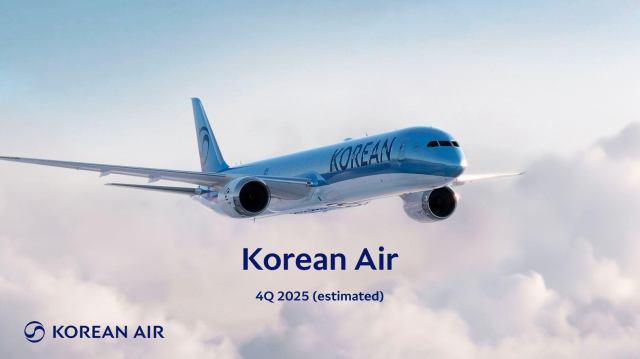
Courtesy of Korean Air
Comprehensive Summarization:
Korean Air reported stronger-than-expected fourth-quarter results for the period of October to December, with an operating profit of 413.1 billion won ($280 million), marking a 5.1% decrease from the previous year. Despite this decline, the profit figure was comfortably above market expectations. The company’s performance was influenced by a weak Korean won, which increased the costs of dollar-denominated fuel and aircraft lease costs. However, the easing of concerns ahead of the planned full integration with Asiana Airlines next year suggests a positive outlook for the airline’s future. The article also touches upon the broader travel industry, highlighting recent trends and insights from thought leaders, although specific details are not provided in the given excerpt.
Key Points:
Actionable Takeaways:
Cost Management in Currency Fluctuations: Korean Air’s experience with a weak won highlights the importance for airlines to manage costs effectively in the face of currency fluctuations. Airlines should consider hedging strategies or diversifying their currency exposure to mitigate risks associated with exchange rate volatility.
Integration and Consolidation Benefits: The planned full integration with Asiana Airlines is seen as a positive development. Companies in the travel industry should explore potential synergies and efficiencies that can arise from mergers and acquisitions, such as cost reductions, expanded service offerings, and increased market share.
Market Optimism Amidst Challenges: Despite a decline in profit, the market’s positive reaction suggests that investors are optimistic about Korean Air’s future, particularly with the integration underway. This optimism can be a benchmark for other travel companies facing similar challenges, indicating that strategic moves and market confidence can offset short-term setbacks.
Contextual Insights:
The article reflects the ongoing challenges and opportunities within the travel industry, particularly in the context of currency fluctuations and strategic mergers. The weak won against the dollar has increased operational costs for Korean Air, a common challenge faced by airlines operating in a global market. However, the company’s ability to report a profit despite these challenges underscores the resilience and adaptability of the industry. The integration with Asiana Airlines is a strategic move that could lead to operational synergies and enhanced service offerings, a trend that many travel companies are increasingly adopting to stay competitive. As the travel industry continues to evolve, with advancements in technology and changing consumer preferences, companies that can navigate these challenges and capitalize on strategic opportunities will be better positioned for long-term success.
Read the Complete Article.
Boutique Travel VC raises investment cap from $1.5M to $10M to lead rounds and support portfolio companies through growth Travel...
Read moreDetails



Comprehensive Summarization: LVMH's wine and spirits division, Moet & Chandon, is ceasing local production of Chandon sparkling wine in India...
Read moreDetails
