

























Travel Capitalist Ventures Expands Check Size to $10 Million to Deepen Emerging Market Conviction
Boutique Travel VC raises investment cap from $1.5M to $10M to lead rounds and support portfolio companies through growth Travel...
Read moreDetails
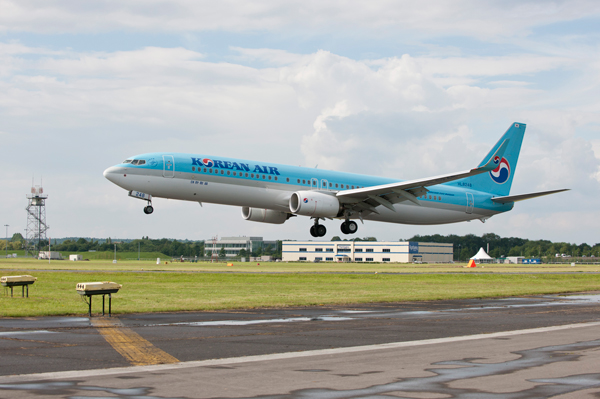
Korean Air increases Tokyo/Narita (Japan)–Jeju flights from October 26
Article Summary:
Korean Air has expanded its service on the Tokyo/Narita (Japan)–Jeju route, increasing the number of weekly round trips from three to four starting October 26. The route, operated exclusively by Korean Air, now utilizes Boeing 737-900 aircraft and offers a flight time of 2 hours 55 minutes from Tokyo/Narita and 2 hours 20 minutes from Jeju. This development reflects the airline’s strategic expansion and commitment to enhancing connectivity between Japan and South Korea.
Key Points:
Actionable Takeaways:
Contextual Insights:
The expansion of Korean Air’s Tokyo/Narita–Jeju route aligns with broader travel industry trends towards increased connectivity and service frequency, especially in high-demand corridors. This move is likely influenced by the growing demand for travel between Japan and South Korea, driven by factors such as business expansion, tourism, and cultural exchanges. The use of Boeing 737-900 aircraft also reflects the airline’s strategic approach to balancing operational efficiency with passenger experience. As the travel industry continues to evolve, such strategic expansions and technological choices will play a crucial role in shaping future travel patterns and competitive dynamics.
Read the Complete Article.
Boutique Travel VC raises investment cap from $1.5M to $10M to lead rounds and support portfolio companies through growth Travel...
Read moreDetails




