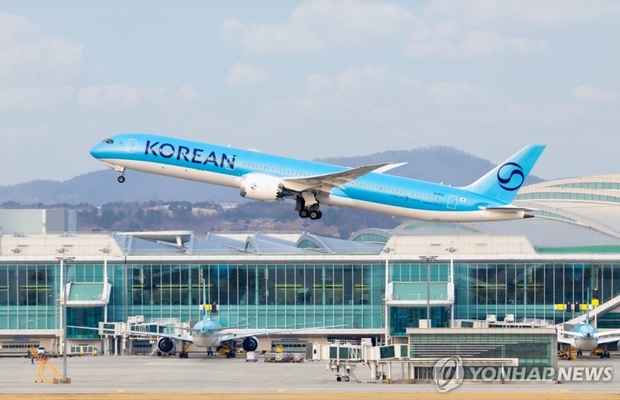
Korean Air has extended the suspension of its Incheon-Dubai flights until October 15, 2023, due to airspace restrictions caused by geopolitical instability in the Middle East. The airline announced on October 6 that flights between Incheon and Dubai in both directions have been canceled. Decisions regarding flights from October 16 onward will be made based on the evolving situation in the Middle East. The article also mentions that Korean Air will continue to provide updates on the situation as it develops.
Key Points:
Korean Air has extended the suspension of its Incheon-Dubai flights until October 15, 2023, due to airspace restrictions caused by geopolitical instability in the Middle East.
The cancellation affects flights in both directions between Incheon and Dubai.
Decisions on flights from October 16 onward will be made based on the evolving situation in the Middle East.
The airline will provide updates on the situation as it develops.
Actionable Takeaways:
Monitor Geopolitical Developments: Travel companies should closely monitor geopolitical developments in the Middle East, as they can significantly impact flight schedules and operational decisions. This includes setting up real-time alerts and having contingency plans in place for route suspensions.
Develop Flexible Itinerary Options: Airlines should develop flexible itinerary options that allow for quick adjustments in response to changing geopolitical situations. This could involve pre-booking alternative routes or partnering with other airlines to ensure continuity of service during disruptions.
Enhance Communication with Passengers: Clear and timely communication with passengers is crucial during disruptions. Airlines should have a robust communication strategy in place to inform passengers about route changes, rescheduling, and any additional fees or requirements. This helps in managing passenger expectations and maintaining trust.
Contextual Insights:
The suspension of Korean Air’s Incheon-Dubai flights highlights the vulnerability of the travel industry to geopolitical instability. Recent events in the Middle East have caused significant disruptions to air travel, as seen with the recent extension of flight cancellations. This situation underscores the importance of having robust contingency plans and flexible operational strategies in place.
In the context of current industry trends, the ability to quickly adapt to changing circumstances is becoming increasingly important. The rise of travel tech solutions that enable real-time route adjustments and passenger communication is a positive development. Startups in the travel sector are focusing on developing innovative solutions to enhance operational resilience and improve passenger experience during disruptions.
Moreover, the impact of such disruptions extends beyond airlines to include travel startups and fintech innovations. For instance, fintech companies are developing solutions to help airlines manage financial impacts of route suspensions, such as offering flexible payment options for passengers and providing financial support to airlines during disruptions. These innovations are crucial for maintaining the financial stability of airlines and ensuring a smooth recovery post-disruption.