





















Travel Capitalist Ventures Expands Check Size to $10 Million to Deepen Emerging Market Conviction
Boutique Travel VC raises investment cap from $1.5M to $10M to lead rounds and support portfolio companies through growth Travel...
Read moreDetails
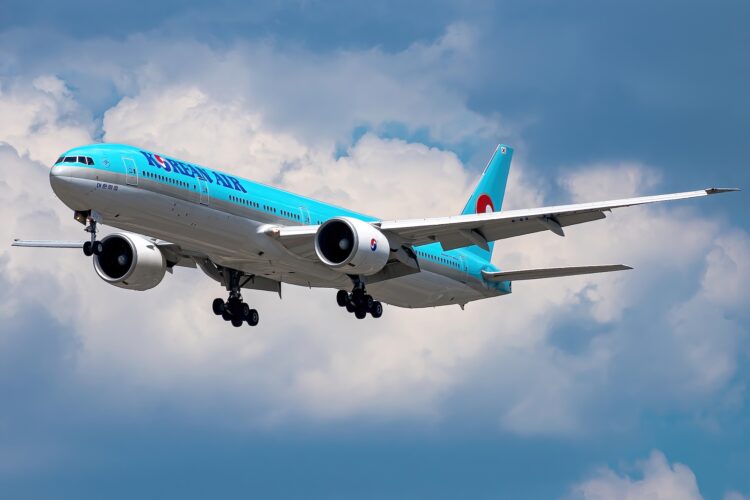
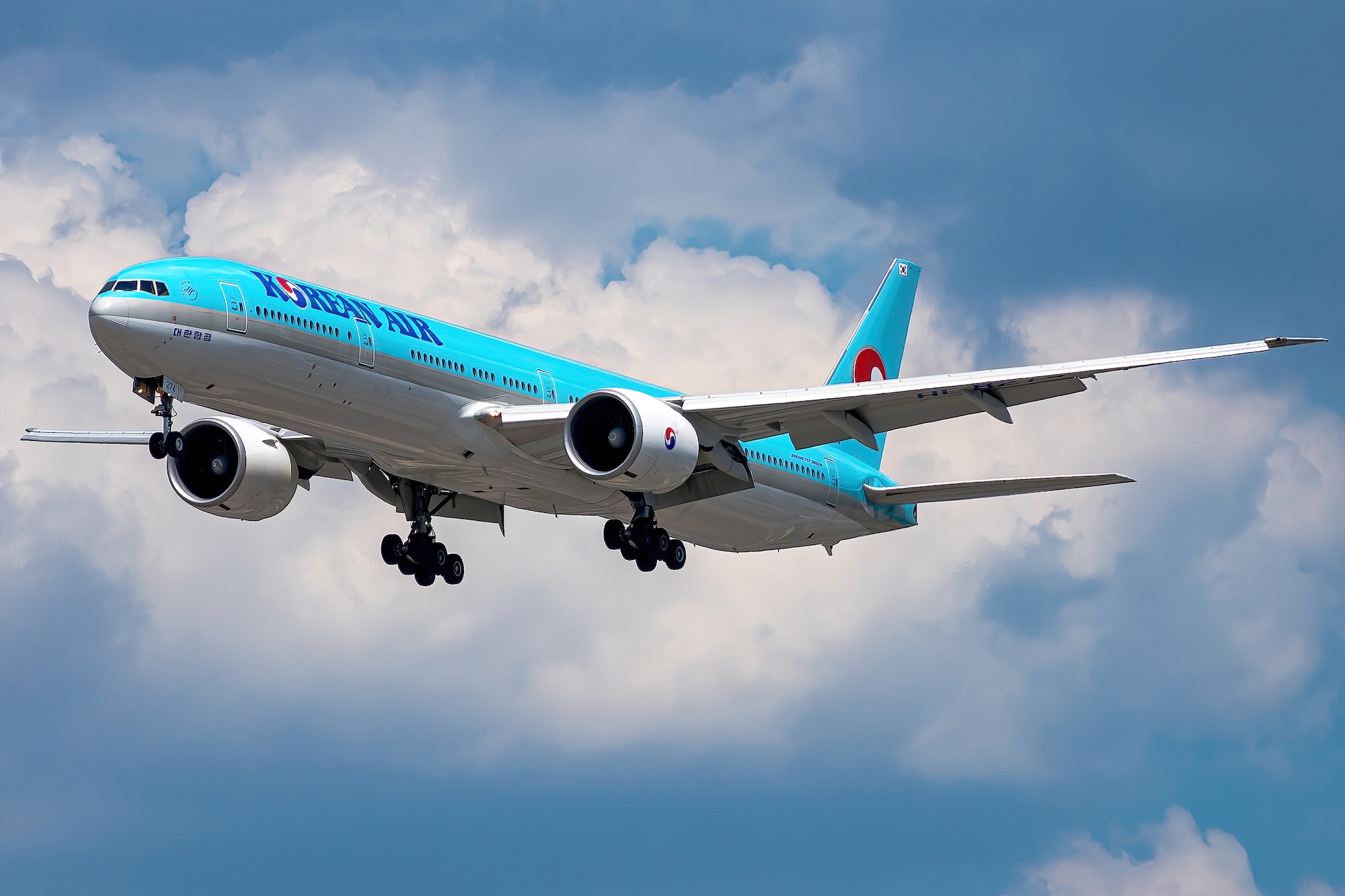
Korean Air, Hanjin Airline Group to Introduce Fleetwide Starlink WiFi
Article Summary:
Korean Air, Asiana Airlines, Jin Air, Air Busan, and Air Seoul are set to introduce Starlink’s high-speed in-flight Wi-Fi across their entire fleet. The installation and testing phase will commence later this year, with the earliest service expected in the third quarter of 2026. The airlines emphasize that connectivity is a crucial part of the travel experience, aiming to keep customers connected during their journeys.
Key Points:
Actionable Takeaways:
Contextual Insights:
The introduction of Starlink’s high-speed in-flight Wi-Fi by these Korean airlines reflects the ongoing trend of enhancing in-flight services through advanced telecommunications technologies. As the travel industry continues to evolve, the demand for reliable and high-speed internet access during flights is expected to grow. This development aligns with the broader industry trend of integrating technology to improve passenger experience and operational efficiency. Furthermore, the rollout of such services underscores the importance of connectivity in modern travel, a factor increasingly recognized by industry thought leaders and experts. The timing of this rollout, with the earliest service expected in Q3 2026, suggests a strategic approach to leveraging this technology amidst the post-pandemic recovery phase of the travel industry, where passenger expectations for connectivity and service quality are higher than ever.
Read the Complete Article.
Boutique Travel VC raises investment cap from $1.5M to $10M to lead rounds and support portfolio companies through growth Travel...
Read moreDetails




