

















Travel Capitalist Ventures Expands Check Size to $10 Million to Deepen Emerging Market Conviction
Boutique Travel VC raises investment cap from $1.5M to $10M to lead rounds and support portfolio companies through growth Travel...
Read moreDetails
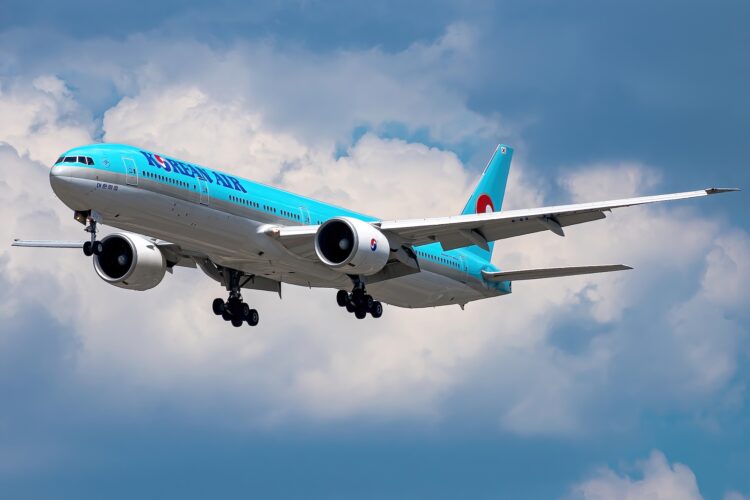
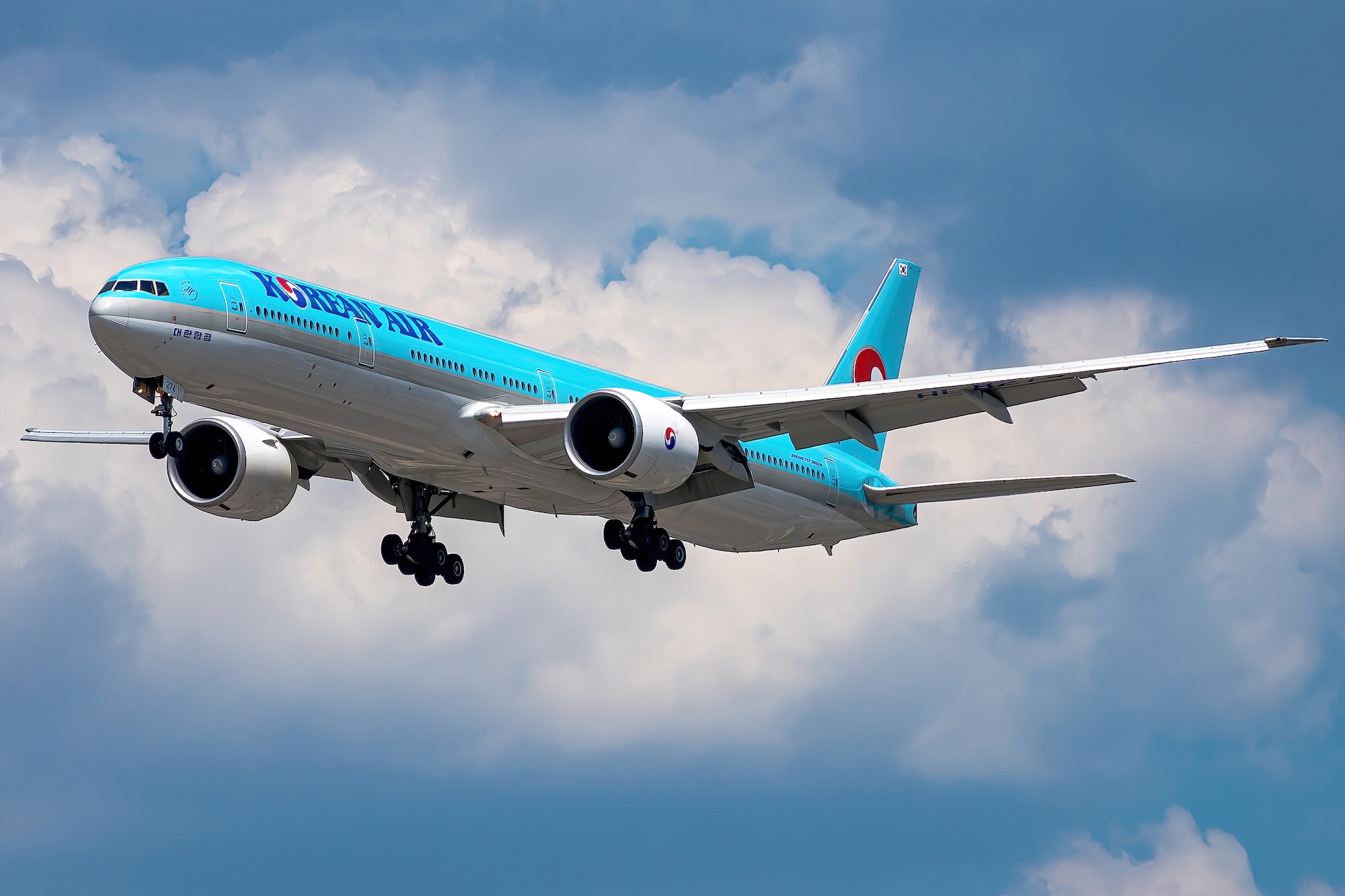
Korean Air, Hanjin Airline Group to Introduce Fleetwide Starlink WiFi
Article Summary:
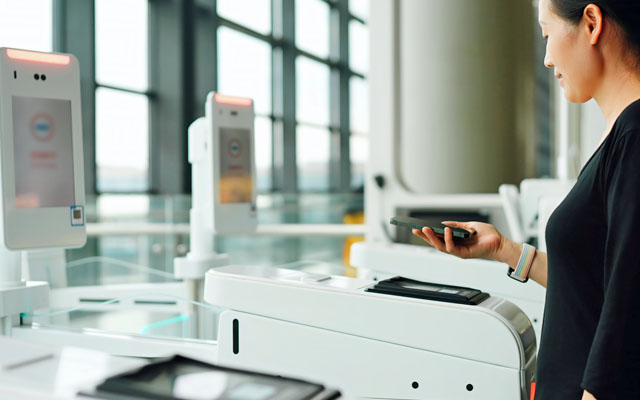
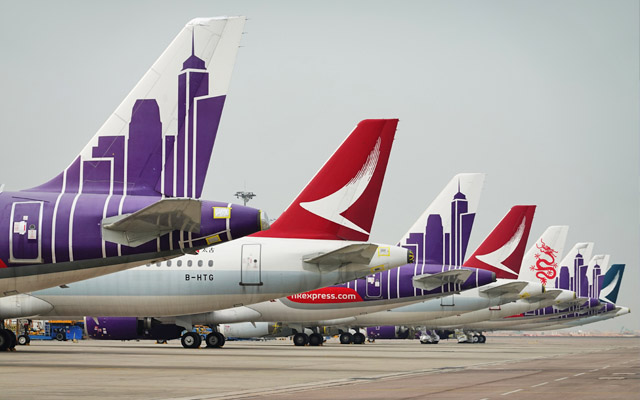
Korean Air, Asiana Airlines, Jin Air, Air Busan, and Air Seoul are set to introduce Starlink’s high-speed in-flight Wi-Fi across their entire fleet. The installation and testing phase will commence later this year, with the earliest service expected in the third quarter of 2026. The airlines emphasize that connectivity is a crucial part of the travel experience, aiming to enhance customer satisfaction by ensuring they remain connected during flights.
Key Points:
Actionable Takeaways:
Contextual Insights:
The introduction of Starlink’s high-speed in-flight Wi-Fi aligns with the broader trend in the travel industry towards enhancing passenger experience through advanced technology. As the industry continues to evolve, connectivity has become a critical component, reflecting the increasing reliance of travelers on staying connected while on the move. This development is particularly relevant in the context of the post-pandemic travel recovery, where passenger expectations for comfort and convenience have risen significantly. Furthermore, the integration of such technologies underscores the growing importance of fintech innovations within the travel sector, as airlines seek to offer seamless, tech-driven services that cater to modern travelers’ needs. The rollout of Starlink’s service is a clear indication of the industry’s commitment to leveraging cutting-edge technology to meet and exceed passenger expectations, thereby driving future growth and innovation in the travel sector.
Read the Complete Article.
Boutique Travel VC raises investment cap from $1.5M to $10M to lead rounds and support portfolio companies through growth Travel...
Read moreDetails




