




















Travel Capitalist Ventures Expands Check Size to $10 Million to Deepen Emerging Market Conviction
Boutique Travel VC raises investment cap from $1.5M to $10M to lead rounds and support portfolio companies through growth Travel...
Read moreDetails
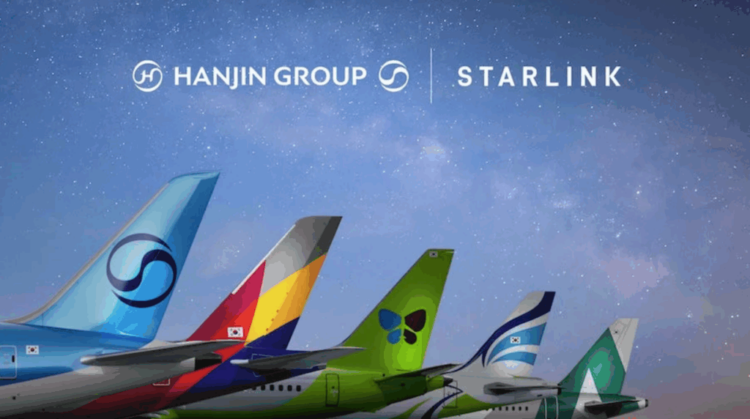
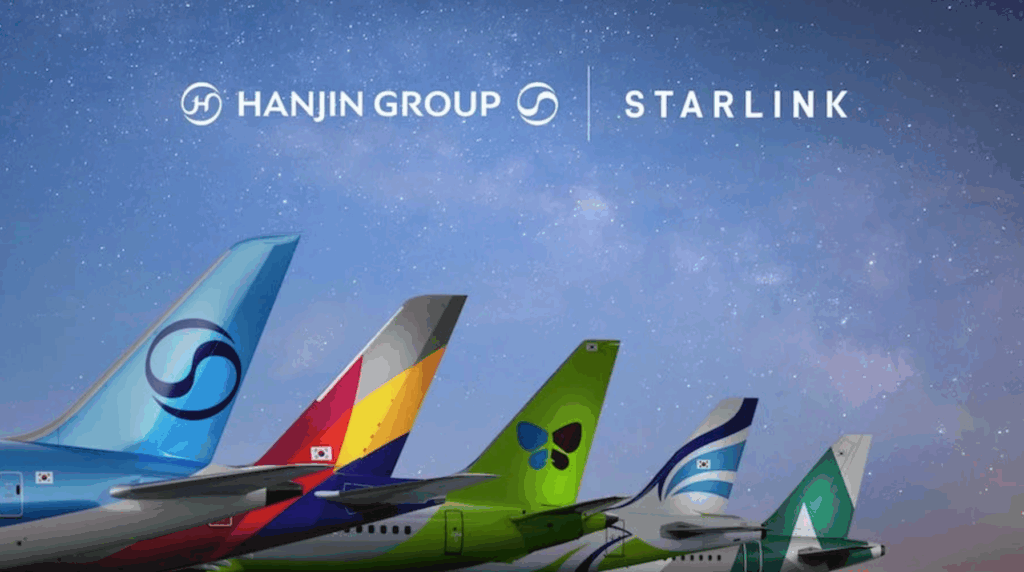
Image via Korean Air
Article Summary:
Korean Air, along with its sister airlines under the Hanjin Group – Asiana Airlines, Jin Air, Air Busan, and Air Seoul – have announced plans to deploy Starlink-powered in-flight connectivity (IFC) across their fleets. This initiative aims to enhance passenger experience by providing high-speed internet access during flights, leveraging the capabilities of Starlink technology.
Key Points:
Actionable Takeaways:
Contextual Insights:
The announcement of Starlink-powered IFC by Korean Air and its sister airlines reflects a broader industry trend towards integrating cutting-edge technology to enhance passenger experiences. As the travel industry continues to evolve, the demand for reliable and high-speed internet connectivity during flights is becoming increasingly important. This development aligns with the growing expectations of travelers for seamless connectivity, which is no longer a luxury but a necessity for many. Furthermore, the adoption of Starlink technology underscores the importance of innovation in the travel sector, where operational efficiency and passenger satisfaction are key drivers of success. As other airlines and travel companies observe this trend, we may see a wave of similar initiatives aimed at leveraging satellite internet technology to stay competitive in a rapidly changing market.
Read the Complete Article.
Boutique Travel VC raises investment cap from $1.5M to $10M to lead rounds and support portfolio companies through growth Travel...
Read moreDetails




