























Travel Capitalist Ventures Expands Check Size to $10 Million to Deepen Emerging Market Conviction
Boutique Travel VC raises investment cap from $1.5M to $10M to lead rounds and support portfolio companies through growth Travel...
Read moreDetails
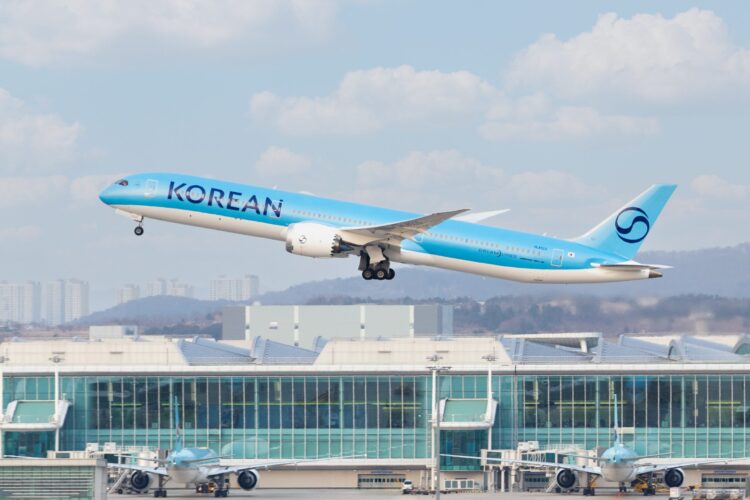
(PHOTO: Korean Air)
Article Summary:
Korean Air, Asiana Airlines, Jin Air, Air Busan, and Air Seoul are set to introduce Starlink high-speed in-flight Wi-Fi to their entire fleet, marking the first time a South Korean airline will adopt this technology. Starlink, SpaceX’s low Earth orbit (LEO) satellite internet service, promises peak broadband speeds of up to 500 Mbps, aiming to significantly enhance the passenger and crew experience ahead of the airlines’ full integration.
Key Points:
Actionable Takeaways:
Enhanced Passenger Experience: The introduction of Starlink Wi-Fi is expected to significantly improve the in-flight experience for passengers by providing high-speed internet access. This could lead to increased customer satisfaction and loyalty, as travelers can stay connected, work, or entertain themselves during flights.
Technological Leadership: By being the first South Korean airline to adopt Starlink, these airlines are positioning themselves at the forefront of technological innovation in the travel industry. This move could set a benchmark for other airlines in the region and beyond, encouraging a shift towards more advanced in-flight connectivity solutions.
Contextual Insights:
The introduction of Starlink high-speed in-flight Wi-Fi aligns with the broader trend in the travel industry towards enhancing passenger experience through advanced technology. Recent years have seen a surge in demand for in-flight connectivity, driven by the growing reliance on digital tools for work, entertainment, and communication during travel. This initiative by Korean Air and its partners reflects a strategic response to this demand, leveraging SpaceX’s Starlink technology to offer unparalleled internet speeds.
Moreover, this development is part of a larger industry shift towards integrating cutting-edge technologies to meet evolving consumer expectations. As highlighted by thought leaders in the travel sector, the focus is shifting from basic amenities to immersive, tech-driven experiences that cater to the digital nomad and modern traveler. The adoption of Starlink by these airlines not only underscores their commitment to innovation but also positions them to capitalize on the growing market for high-quality in-flight services.
In conclusion, the integration of Starlink Wi-Fi represents a significant step forward in the travel industry’s quest to deliver superior passenger experiences. By embracing this technology, Korean Air, Asiana Airlines, Jin Air, Air Busan, and Air Seoul are not only enhancing their service offerings but also setting a precedent for future advancements in in-flight connectivity. This move is poised to influence industry standards and drive further innovation in travel technology.
Read the Complete Article.
Boutique Travel VC raises investment cap from $1.5M to $10M to lead rounds and support portfolio companies through growth Travel...
Read moreDetails




