




















Travel Capitalist Ventures Expands Check Size to $10 Million to Deepen Emerging Market Conviction
Boutique Travel VC raises investment cap from $1.5M to $10M to lead rounds and support portfolio companies through growth Travel...
Read moreDetails
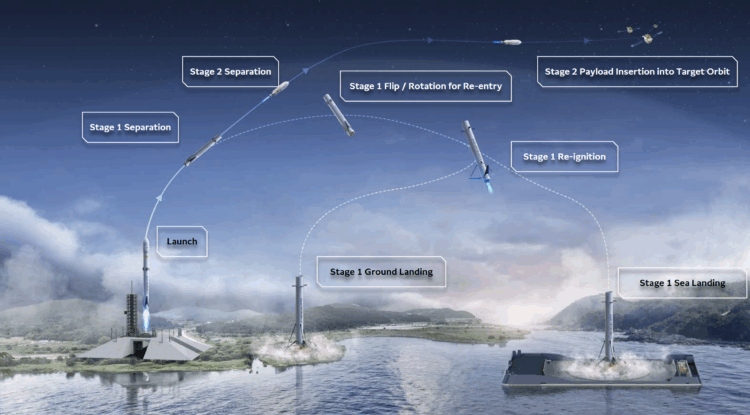
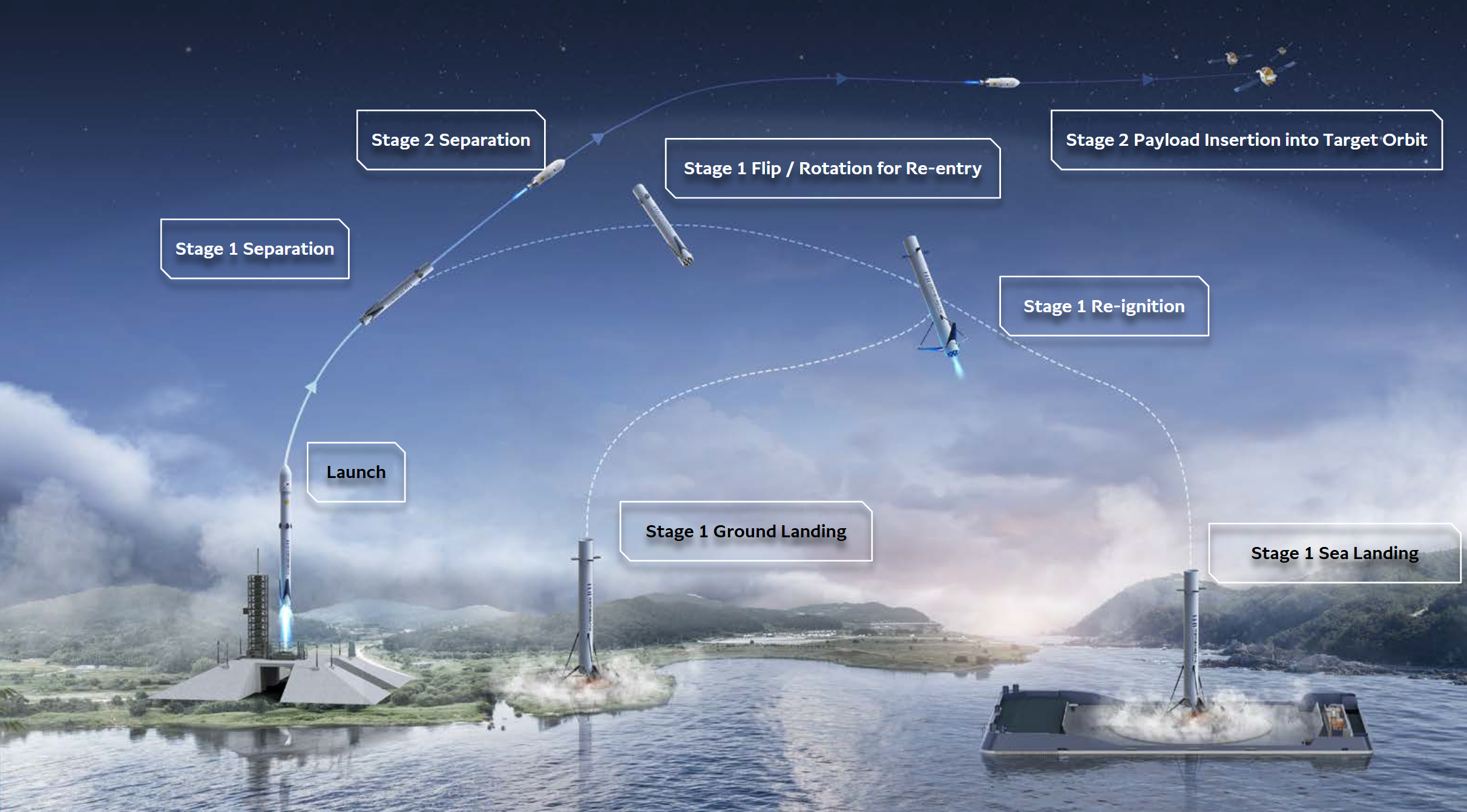
Korean Air, Hyundai Rotem partner on methane rocket engine
Article Summary:
Korean Air and Hyundai Rotem have initiated a collaborative project to develop a reusable 35-ton-class methane rocket engine, a critical technology for next-generation launch vehicles. This initiative, backed by a KRW 49 billion budget and managed by the Korea Research Institute for Defense Technology Planning and Advancement (KRIT), is set to run until October 2030. The project’s launch was marked by a kick-off meeting attended by over 70 representatives from government, academia, and industry, signaling strong governmental and academic support for the venture.
Key Points:
Actionable Takeaways:
Contextual Insights:
The launch of this joint initiative by Korean Air and Hyundai Rotem reflects a broader trend in the aerospace industry towards developing reusable and sustainable launch technologies. As the travel industry increasingly focuses on sustainability and technological innovation, the advancements in rocket engine technology could have significant implications for the sector. For instance, more efficient and environmentally friendly launch vehicles could reduce the carbon footprint of space tourism and satellite launches, aligning with global efforts to combat climate change. Additionally, the collaboration between private companies and government entities, as seen in this project, sets a precedent for future partnerships that could accelerate technological advancements in the travel and aerospace sectors. Thought leaders in the industry are likely to emphasize the importance of such collaborations in overcoming the technical and financial challenges associated with developing next-generation launch vehicles, suggesting that companies should actively seek out and engage in similar initiatives to stay competitive and innovative.
Read the Complete Article.
Boutique Travel VC raises investment cap from $1.5M to $10M to lead rounds and support portfolio companies through growth Travel...
Read moreDetails




