



















Travel Capitalist Ventures Expands Check Size to $10 Million to Deepen Emerging Market Conviction
Boutique Travel VC raises investment cap from $1.5M to $10M to lead rounds and support portfolio companies through growth Travel...
Read moreDetails
Korean Air ©
Article Summary:
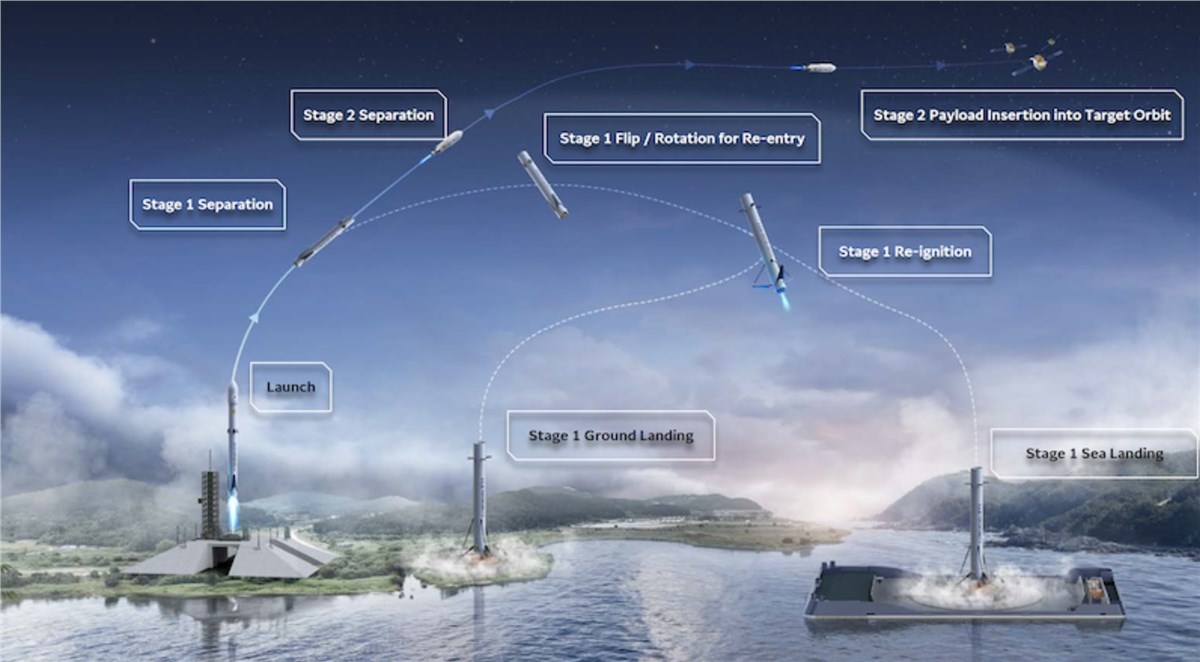
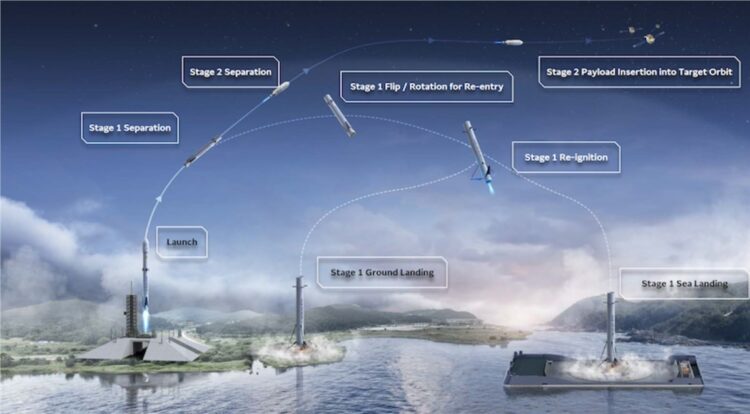
Korean Air and Hyundai Rotem have initiated a collaborative project to develop a reusable 35-ton-class methane rocket engine, a critical technology for next-generation launch vehicles. This initiative, backed by a KRW 49 billion budget and managed by the Korea Research Institute for Defense Technology Planning and Advancement (KRIT), is set to run until October 2030. The project’s launch was marked by a kick-off meeting attended by over 70 representatives from government, academia, and industry in Daejeon.
Key Points:
Actionable Takeaways:
Contextual Insights:
The launch of this methane rocket engine project reflects the ongoing advancements in space technology and the increasing focus on sustainability within the travel industry. As countries and corporations invest in reusable rocket technologies, we can expect to see a shift towards more environmentally friendly space exploration methods. This trend is likely to influence the travel sector by potentially reducing the carbon footprint of space tourism and satellite launches. Furthermore, the collaborative nature of this project suggests a broader industry trend towards partnerships that leverage diverse expertise to drive innovation. For travel startups and fintech companies, this could mean new opportunities in developing technologies that support sustainable travel, such as eco-friendly transportation solutions or financing models for green travel initiatives.
Read the Complete Article.
Boutique Travel VC raises investment cap from $1.5M to $10M to lead rounds and support portfolio companies through growth Travel...
Read moreDetails




