





















Travel Capitalist Ventures Expands Check Size to $10 Million to Deepen Emerging Market Conviction
Boutique Travel VC raises investment cap from $1.5M to $10M to lead rounds and support portfolio companies through growth Travel...
Read moreDetails
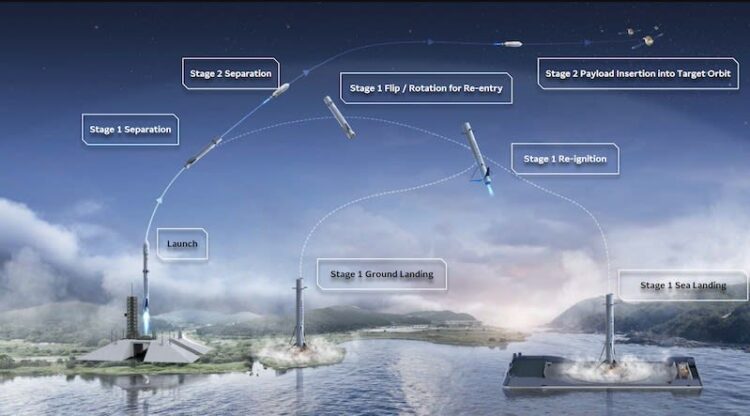
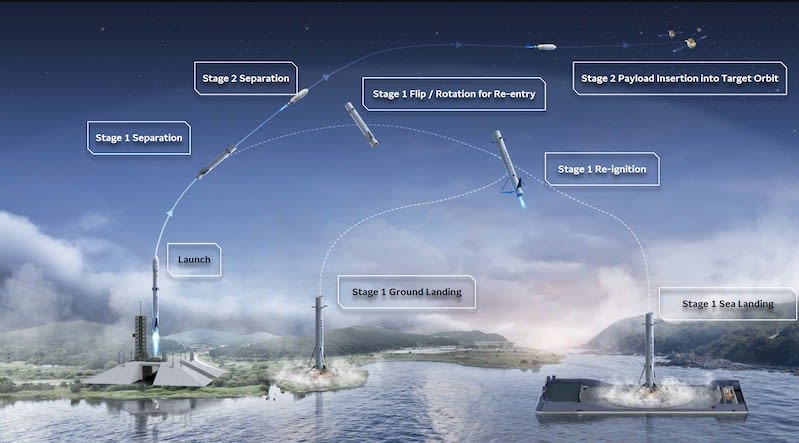
Korean Air, Hyundai Rotem launch joint initiative for reusable methane rocket engine
Article Summary:
The article discusses a joint initiative overseen by the Korea Research Institute for Defense Technology Planning and Advancement (KRIT) and the Defense Acquisition Program Administration, set to run through October 2030. More than 70 representatives from the government, academia, and industry attended a meeting in Daejeon to discuss the initiative. Key participants included officials from the Ministry of National Defense, KRIT, and technical partners such as Doosan Enerbility and Perigee. The initiative aims to advance defense technology planning and advancement, reflecting a strategic focus on technological innovation within the defense sector.
Key Points:
Actionable Takeaways:
Strategic Investment in Defense Technology: The initiative underscores the importance of strategic investment in defense technology planning and advancement. For stakeholders in the travel industry, this could imply a growing demand for secure and technologically advanced travel solutions, particularly in high-security environments such as airports and transportation hubs. This trend may drive innovation in travel security technologies and services.
Collaborative Approach to Technological Advancement: The involvement of multiple stakeholders, including government, academia, and industry, suggests a collaborative approach to technological advancement. Travel companies and startups could benefit from engaging in such collaborative initiatives to leverage shared resources, expertise, and funding opportunities. This could accelerate the development and adoption of cutting-edge travel technologies, enhancing the overall travel experience.
Focus on Long-term Strategic Planning: With a program duration extending through October 2030, the initiative emphasizes long-term strategic planning. Travel industry professionals should consider adopting a similar long-term perspective in their technology development and investment strategies. This approach can help in anticipating future travel trends, ensuring that innovations align with long-term industry needs and regulatory requirements.
Contextual Insights:
The article reflects the ongoing emphasis on technological advancement within the defense sector, a trend that is increasingly influencing other industries, including travel. As defense technology evolves, it often brings advancements that can be adapted for civilian applications, such as enhanced security systems, efficient logistics, and improved passenger experience technologies. For the travel industry, this context suggests a growing potential for integrating advanced technologies to address security concerns, streamline operations, and enhance passenger safety and comfort.
Moreover, the collaborative nature of the initiative highlights a broader industry trend towards partnerships and alliances in technology development. This trend is likely to continue, with travel companies and startups forming strategic alliances to access cutting-edge technologies and expertise. Such collaborations can lead to faster innovation cycles, reduced development costs, and a more competitive edge in the market.
In summary, the joint initiative between KRIT and the Defense Acquisition Program Administration signals a significant step forward in defense technology planning and advancement. For the travel industry, this development presents both challenges and opportunities, particularly in adopting advanced technologies for security, efficiency, and enhanced passenger experiences. By aligning with strategic long-term planning and fostering collaborative partnerships, travel companies can position themselves at the forefront of technological innovation in the industry.
Read the Complete Article.
Boutique Travel VC raises investment cap from $1.5M to $10M to lead rounds and support portfolio companies through growth Travel...
Read moreDetails




