





















Travel Capitalist Ventures Expands Check Size to $10 Million to Deepen Emerging Market Conviction
Boutique Travel VC raises investment cap from $1.5M to $10M to lead rounds and support portfolio companies through growth Travel...
Read moreDetails
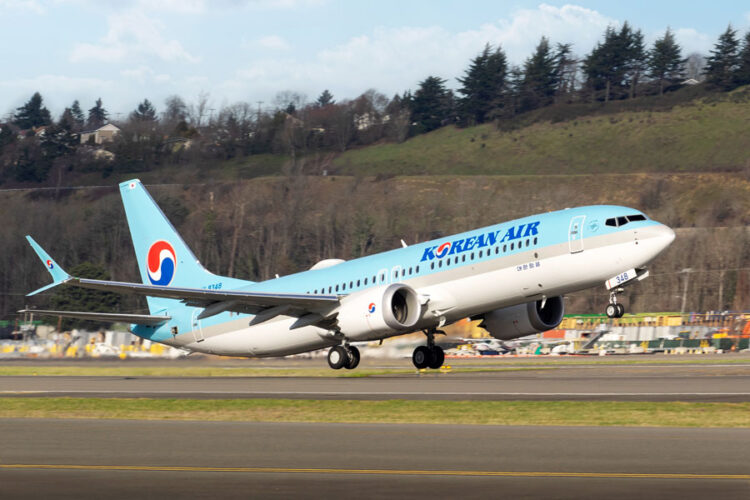
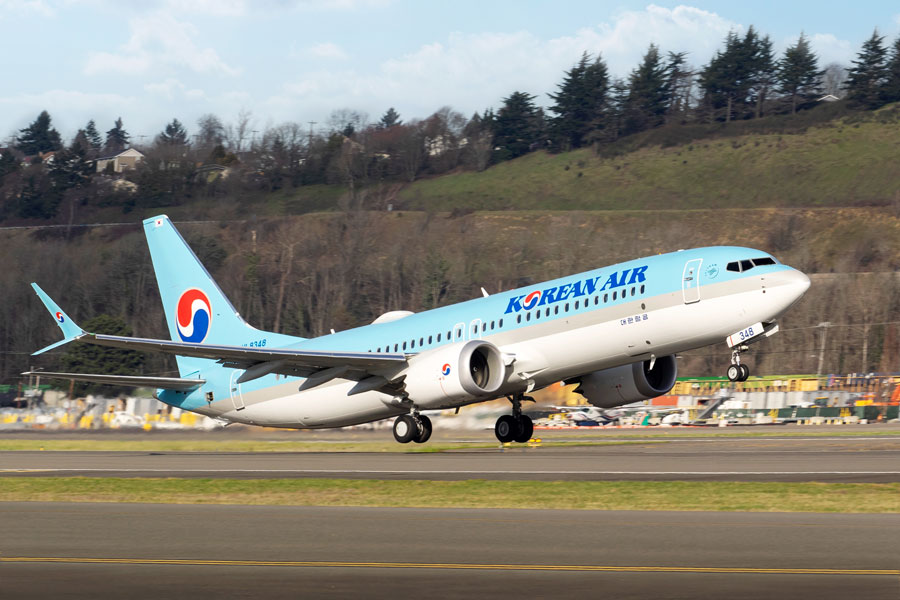
Korean Air boosts Nagasaki–Seoul/Incheon to 4 weekly from Oct 26
Article Summary:
Korean Air has increased the frequency of flights on the Nagasaki-Japan to Seoul/Incheon route from three round-trips per week to four, starting from October 26. The route is operated with Boeing 737-8 aircraft, and Korean Air is the sole operator on this route. The flight time is 1 hour 40 minutes from Nagasaki and 1 hour 30 minutes from Seoul/Incheon.
Key Points:
Actionable Takeaways:
Contextual Insights:
The increase in flight frequency on the Nagasaki-Seoul/Incheon route reflects broader trends in the travel industry towards enhancing connectivity and accessibility. As global travel resumes and demand recovers, airlines are focusing on optimizing routes to meet growing passenger needs. This move by Korean Air aligns with the industry’s push towards improving travel efficiency and customer satisfaction. Furthermore, the use of Boeing 737-8 aircraft highlights the airline’s focus on balancing operational costs with service quality, a strategy increasingly adopted by airlines to remain competitive in a post-pandemic market. The route’s significance is further underscored by the fact that Korean Air is the sole operator, indicating a potential monopoly on this route that could be leveraged for strategic partnerships or innovations in travel services.
Read the Complete Article.
Boutique Travel VC raises investment cap from $1.5M to $10M to lead rounds and support portfolio companies through growth Travel...
Read moreDetails




