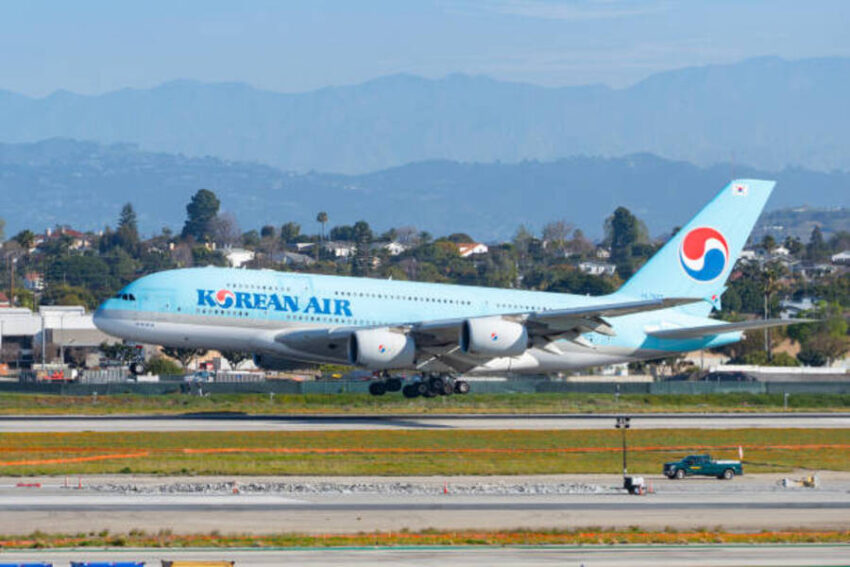
Korean Air has introduced new late-night flights between Seoul and Osaka, responding to the increasing demand for flexible travel schedules between South Korea and Japan. This initiative aims to cater to travelers seeking more convenient options, aligning with broader travel industry trends towards flexible and efficient travel solutions.
Key Points:
Korean Air has launched new late-night flights between Seoul and Osaka.
The service is designed to meet the growing demand for flexible travel schedules between South Korea and Japan.
The introduction of these flights reflects the evolving travel industry’s focus on convenience and flexibility.
Actionable Takeaways:
Enhanced Travel Flexibility: The launch of late-night flights by Korean Air signifies a shift towards offering more flexible travel options. This move is likely to attract a broader range of travelers, including business professionals and leisure travelers, by providing more convenient departure times. This could potentially increase Korean Air’s market share in the Seoul-Osaka route and set a precedent for other airlines to follow suit, fostering a more competitive and customer-centric travel industry.
Meeting Market Demand: The introduction of these flights addresses the identified need for more flexible travel schedules. By catering to travelers who prefer late-night departures, Korean Air is likely to capture a segment of the market that has been underserved. This strategic move could lead to increased customer satisfaction and loyalty, as travelers appreciate airlines that offer tailored solutions to their specific needs.
Contextual Insights:
The launch of Korean Air’s late-night flights between Seoul and Osaka is a strategic response to current travel industry trends, particularly the increasing demand for flexible and convenient travel options. In recent years, there has been a notable shift in consumer behavior, with travelers prioritizing convenience, efficiency, and flexibility in their travel plans. This trend is further amplified by the global shift towards remote work and the desire for seamless travel experiences that accommodate varying schedules.
Moreover, the introduction of late-night flights aligns with broader industry advancements in travel technology, such as improved flight scheduling systems and enhanced connectivity options. As the travel industry continues to evolve, innovations like these are crucial for maintaining competitiveness and meeting the dynamic needs of modern travelers. Korean Air’s initiative not only demonstrates its commitment to adapting to these changes but also sets a benchmark for other airlines in the region to follow, potentially leading to a more flexible and customer-focused travel landscape.