



















Travel Capitalist Ventures Expands Check Size to $10 Million to Deepen Emerging Market Conviction
Boutique Travel VC raises investment cap from $1.5M to $10M to lead rounds and support portfolio companies through growth Travel...
Read moreDetails
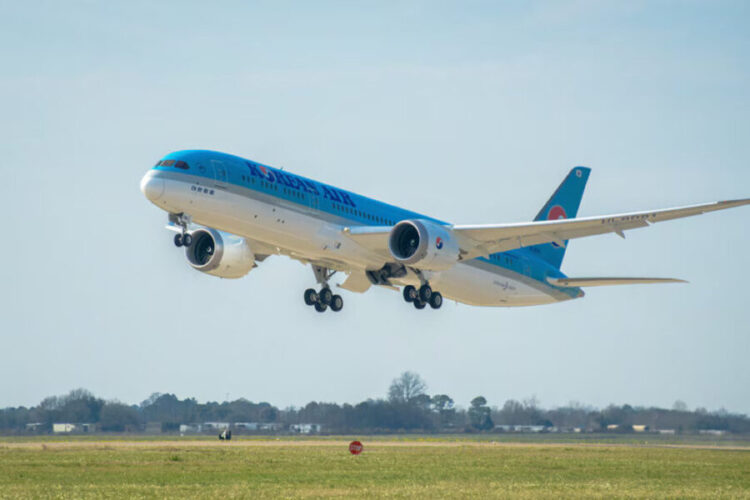
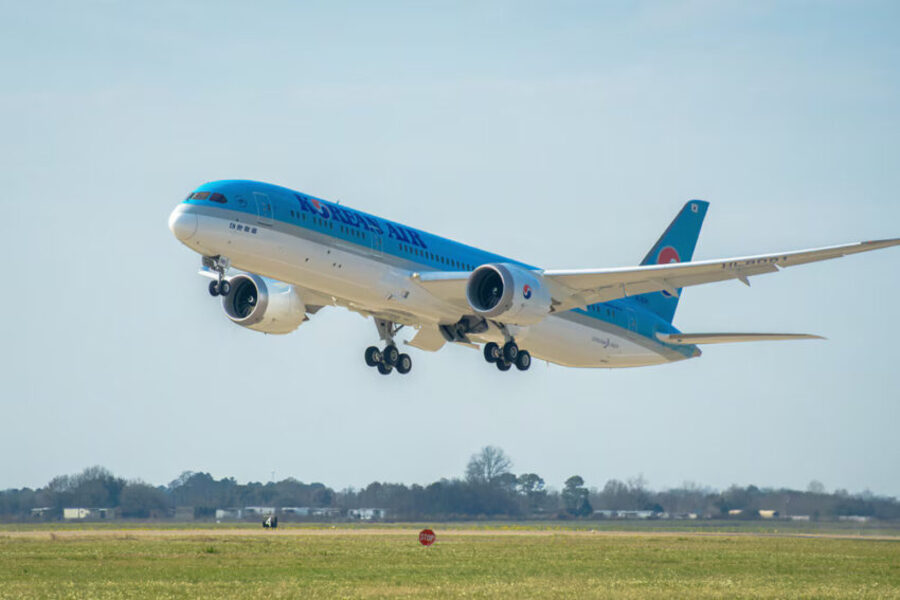
Korean Air Announces One Hundred Seventy-Six Billion Won Investment For New Maintenance Hangar At In...
Article Summary:
Korean Air has announced a substantial investment of one hundred seventy-six billion won for the construction of a new maintenance hangar at Incheon Airport in South Korea. This strategic initiative is aimed at enhancing the airline’s operational capacity and bolstering its global competitiveness. The development underscores Korean Air’s commitment to modernizing its infrastructure and improving its service capabilities.
Key Points:
Actionable Takeaways:
Contextual Insights:
The announcement of Korean Air’s investment aligns with the current industry trend of airlines focusing on modernizing their infrastructure to meet growing passenger demands and regulatory requirements. As the travel industry continues to evolve, with increasing emphasis on sustainability and technological integration, airlines that invest in advanced facilities like the one at Incheon Airport are likely to benefit from improved operational performance and enhanced customer satisfaction. Furthermore, this move reflects the broader industry shift towards leveraging technology and innovation to stay competitive in a rapidly changing market.
Read the Complete Article.
Boutique Travel VC raises investment cap from $1.5M to $10M to lead rounds and support portfolio companies through growth Travel...
Read moreDetails




