


















Travel Capitalist Ventures Expands Check Size to $10 Million to Deepen Emerging Market Conviction
Boutique Travel VC raises investment cap from $1.5M to $10M to lead rounds and support portfolio companies through growth Travel...
Read moreDetails
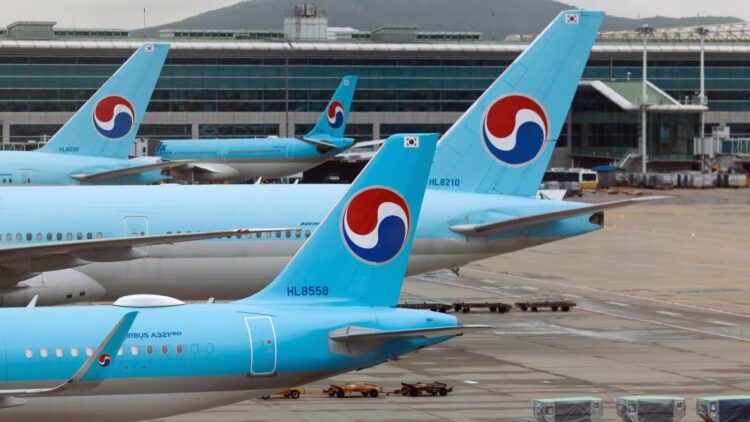
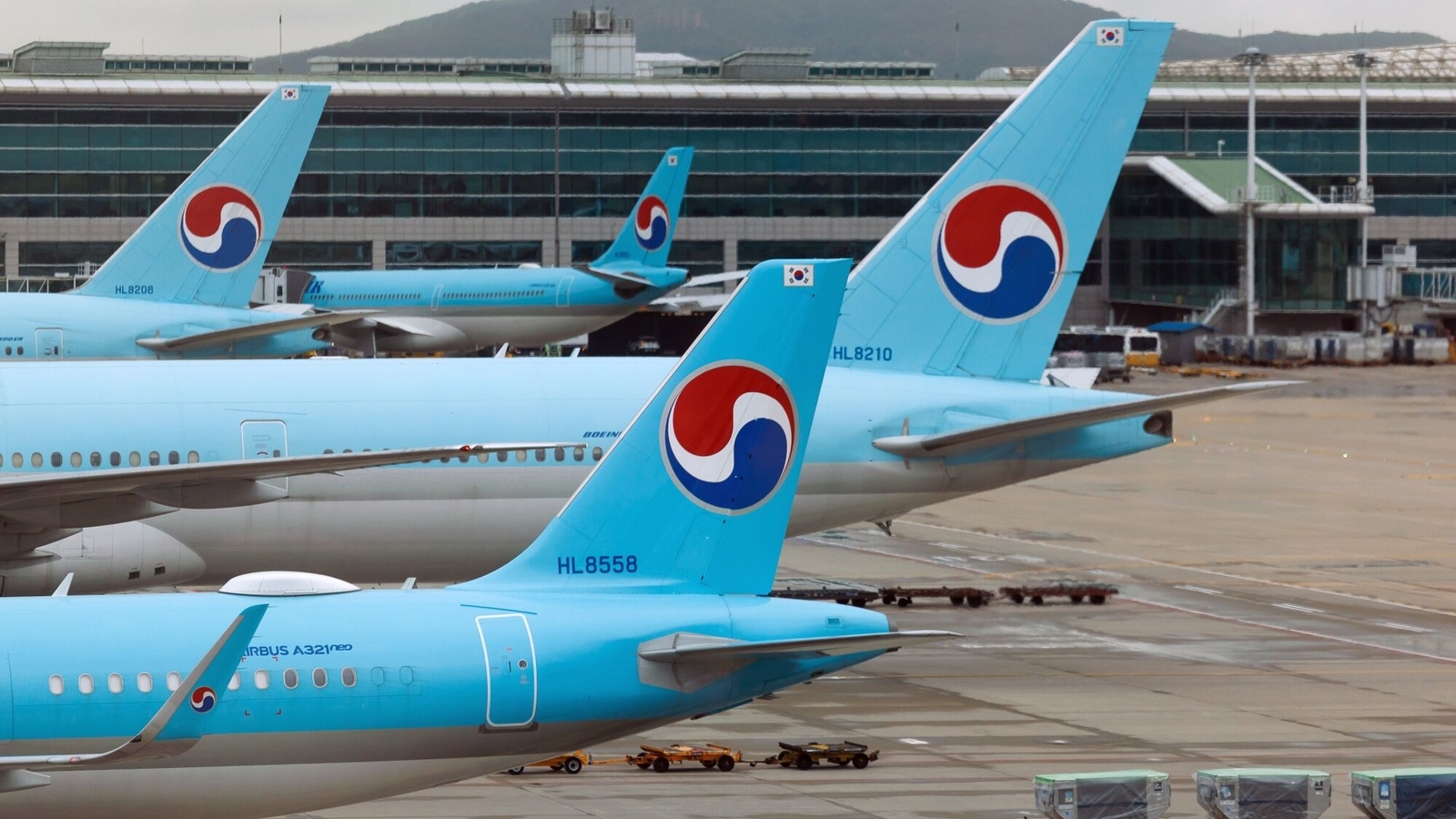
“This deal is a strategic choice to strengthen Korean Air’s partnership with the U.S. aviation industry,” the Korean Air statement said.(Bloomberg File Photo)
Article Summary:
Korean Air has announced a $50 billion investment in Boeing aircraft, part of a strategic agreement signed with South Korean President Lee Jae Myung and US President Donald Trump. The deal aims to bolster global competitiveness and strengthen US aviation industry partnerships. The investment includes purchasing over 100 Boeing aircraft, acquiring spare engines, and securing 20 years of engine maintenance.
Key Points:
Actionable Takeaways:
Contextual Insights:
The article reflects the ongoing trend of major airlines investing heavily in modern aircraft fleets to maintain competitive edge and meet growing passenger demand. This strategic move by Korean Air aligns with broader industry trends towards technological advancement and global expansion. The partnership with US President Donald Trump underscores the importance of diplomatic and strategic alliances in driving aviation industry growth. Looking ahead, such investments are likely to spur further innovation in aircraft technology, fuel efficiency, and passenger experience, shaping the future landscape of the global travel industry. Additionally, the focus on long-term maintenance commitments highlights the industry’s shift towards sustainable and cost-effective operational strategies, which could influence future investment patterns in aviation infrastructure and services.
Read the Complete Article.
Boutique Travel VC raises investment cap from $1.5M to $10M to lead rounds and support portfolio companies through growth Travel...
Read moreDetails




