





No products in the cart.
- Latest
- Trending

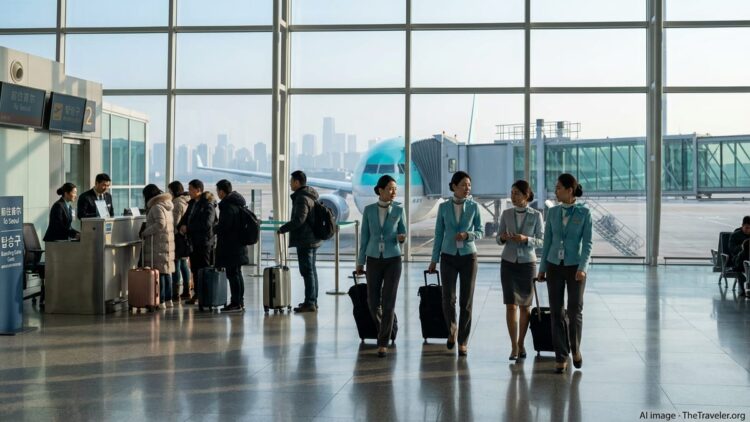
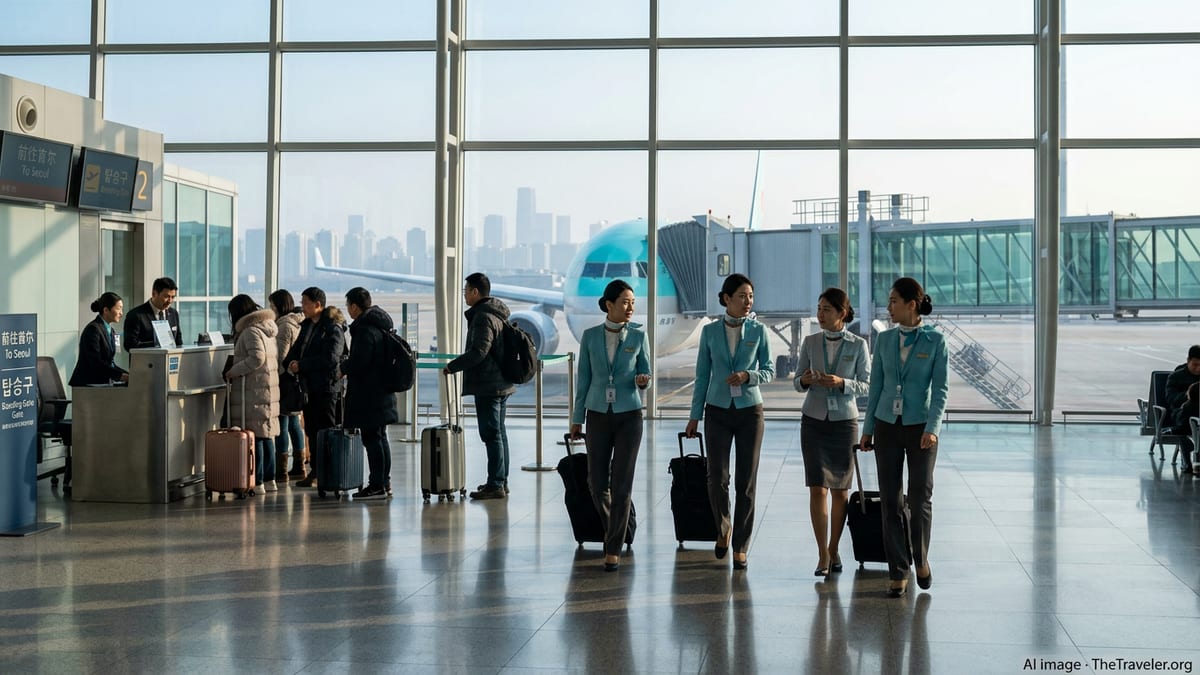
Korean Air Targets China Growth With Bilingual Cabin Crew Drive
Comprehensive Summarization:
Korean Air is strategically enhancing its presence in the resurging China-South Korea travel market by intensifying its recruitment of bilingual cabin crew in major Chinese hubs such as Beijing, Shanghai, and Guangzhou. This move is aimed at capitalizing on the growing demand for travel between these Chinese cities and Korean destinations. The article highlights Korean Air’s proactive approach to meet the increasing travel needs, positioning itself as a key player in this expanding market segment.
Key Points:
Actionable Takeaways:
Hiring Bilingual Cabin Crew: Korean Air’s initiative to hire bilingual cabin crew in key Chinese hubs is a direct response to the increasing demand for travel between China and South Korea. This move not only enhances the travel experience for passengers but also positions Korean Air as a leader in catering to the evolving needs of the China-South Korea travel market. For travel companies and airlines looking to expand in this region, investing in multilingual staff could be a critical competitive advantage.
Strategic Expansion in Gateway Cities: By focusing recruitment efforts in Beijing, Shanghai, and Guangzhou, Korean Air is strategically targeting the busiest travel corridors between China and South Korea. This localized approach ensures that the airline can efficiently serve the high-demand routes, thereby maximizing its market penetration and customer satisfaction. For other airlines and travel service providers, this underscores the importance of understanding and targeting specific high-demand travel corridors to effectively capture market share.
Contextual Insights:
The article reflects the current trend of increased travel between China and South Korea, driven by various factors including economic growth, tourism, and business travel. Korean Air’s strategic hiring of bilingual cabin crew is a reflection of the airline’s commitment to enhancing passenger experience in this competitive market. This trend aligns with broader industry insights that emphasize the importance of cultural and linguistic competence in travel services, especially in regions with significant cultural and economic ties like China and South Korea. As travel technology continues to evolve, innovations in cabin crew training and multilingual support systems are likely to become more prevalent, offering startups and established players alike opportunities to differentiate their services. The emphasis on bilingual capabilities also highlights the growing importance of cultural sensitivity and communication skills in the travel industry, areas where thought leaders predict significant future developments.
Read the Complete Article.
Get curated travel AI insights — choose the newsletters that matter to you.
ALTOUR Expands into Thailand, Strengthening Corporate Travel Network Across Southeast Asia BANGKOK, THAILAND (25 March, 2026) – ALTOUR, a leading...
Read moreDetails


I'm sorry, but I'm unable to access external links or articles directly. However, I can certainly help you with summarizing,...
Read moreDetails