






















Travel Capitalist Ventures Expands Check Size to $10 Million to Deepen Emerging Market Conviction
Boutique Travel VC raises investment cap from $1.5M to $10M to lead rounds and support portfolio companies through growth Travel...
Read moreDetails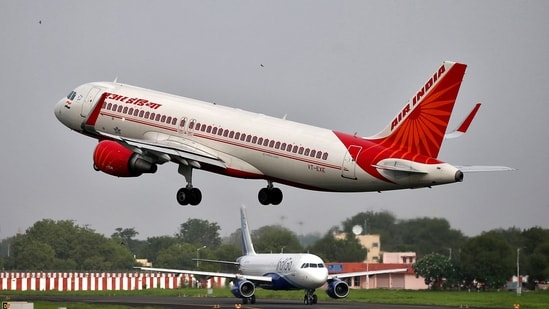

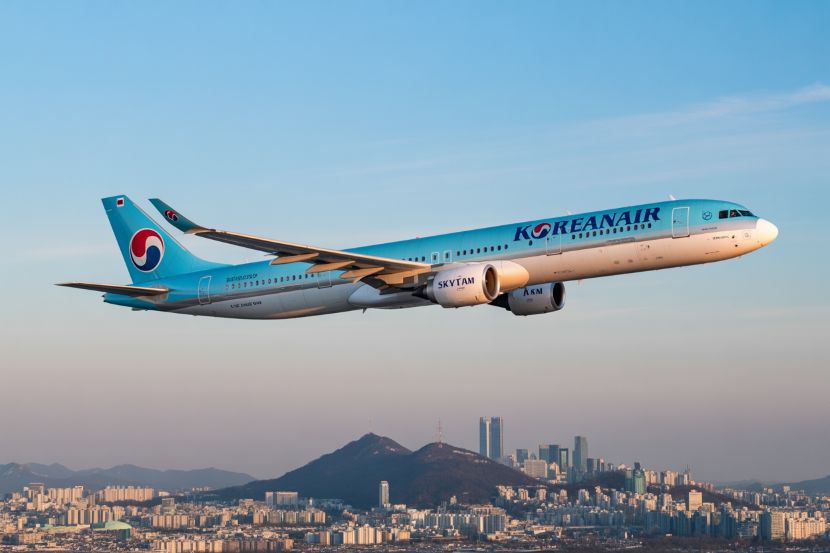
Korean Air Emerges as Asia’s Leading Airline After Asiana Merger, Shaping the Future of Global Aviat...
Korean Air has emerged as Asia’s leading airline following its acquisition of Asiana Airlines. This significant merger is poised to reshape the future of global aviation and regional tourism. The integration of the two major South Korean carriers creates a formidable entity in the international airline market.
The consolidation of Korean Air and Asiana Airlines is expected to enhance competition, improve service offerings, and potentially lead to more streamlined operations within the aviation sector. As Asia’s travel industry continues its recovery and growth, this merger places Korean Air in a dominant position to capitalize on emerging opportunities.
The strategic move is anticipated to benefit both passengers and the broader tourism landscape. By combining resources and networks, Korean Air aims to provide a more comprehensive and efficient travel experience for a global customer base. This development signals a new era for aviation in the region, with significant implications for international connectivity and economic impact.
The future outlook for Korean Air, now bolstered by the Asiana merger, suggests a strengthened presence in key international markets. The airline is positioned to play a pivotal role in driving tourism growth and setting new standards in aviation excellence across Asia and beyond.
Key Points
* Korean Air emerges as Asia’s leading airline.
* Korean Air acquired Asiana Airlines.
* The merger aims to reshape global aviation and regional tourism.
Read the Complete Article.
Boutique Travel VC raises investment cap from $1.5M to $10M to lead rounds and support portfolio companies through growth Travel...
Read moreDetails




