

















Travel Capitalist Ventures Expands Check Size to $10 Million to Deepen Emerging Market Conviction
Boutique Travel VC raises investment cap from $1.5M to $10M to lead rounds and support portfolio companies through growth Travel...
Read moreDetails
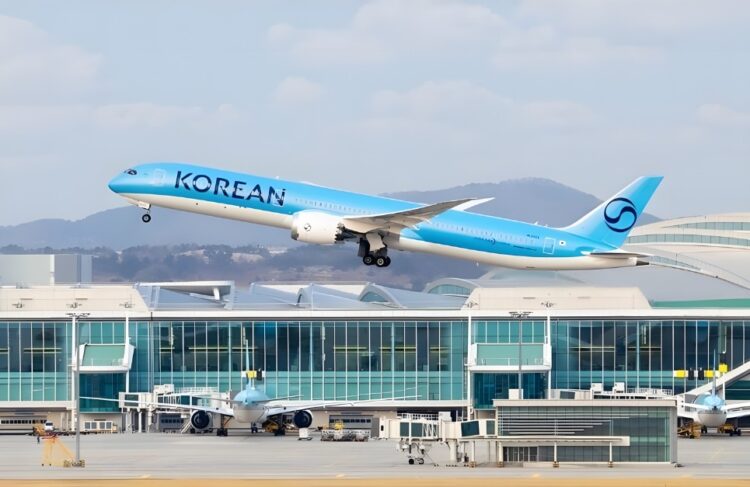
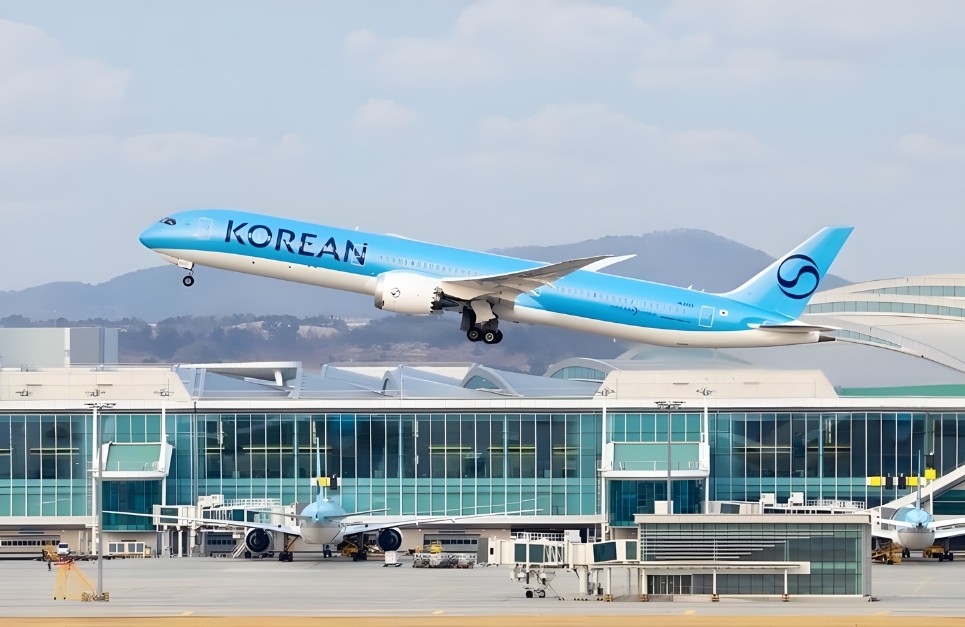
Korean Air selects Lödige Industries to modernise JFK terminal
Comprehensive Summarization:
Korean Air is undertaking a significant modernization of its JFK cargo terminal to improve service quality, operational efficiency, and sustainability on the US East Coast. The airline has partnered with Lödige Industries, a global leader in cargo terminal automation, to realize this project. The terminal, originally opened in December 2000, is one of the largest cargo facilities in the eastern US, boasting a substantial warehouse floor area. This modernization initiative underscores Korean Air’s commitment to enhancing its cargo operations and aligning with broader industry trends towards sustainability and technological advancement.
Key Points:
Actionable Takeaways:
Investment in Automation: Korean Air’s partnership with Lödige Industries highlights a strategic move towards automation in cargo operations. This investment is likely to improve efficiency and reduce operational costs, setting a precedent for other airlines to follow. Relevance: Demonstrates the industry’s shift towards automation and efficiency, potentially influencing other airlines to adopt similar technologies.
Focus on Sustainability: The modernization project is expected to enhance the sustainability of Korean Air’s operations. This aligns with the growing industry trend towards eco-friendly practices, which could open opportunities for airlines to market their sustainability efforts to environmentally conscious consumers. Relevance: Reflects the increasing importance of sustainability in the travel industry, potentially impacting consumer choice and airline branding strategies.
Contextual Insights:
The modernization of Korean Air’s JFK cargo terminal is a strategic response to the evolving demands of the global cargo industry. As airlines face increasing pressure to optimize operations and reduce environmental impact, such projects become crucial. The collaboration with Lödige Industries, a leader in cargo terminal automation, underscores the industry’s move towards integrating advanced technologies to meet these challenges. This initiative not only positions Korean Air as a forward-thinking player in the cargo sector but also sets a benchmark for other airlines looking to enhance their operational capabilities. Furthermore, the focus on sustainability aligns with broader industry trends, indicating a potential shift in consumer preferences and regulatory requirements towards greener practices. As the travel industry continues to evolve, such strategic investments in technology and sustainability will likely become standard practices, shaping the future landscape of air cargo operations.
Read the Complete Article.
Boutique Travel VC raises investment cap from $1.5M to $10M to lead rounds and support portfolio companies through growth Travel...
Read moreDetails



Comprehensive Summarization: Myanmar has unveiled its Master Plan for the expansion of the country's tourism industry, projecting a significant increase...
Read moreDetails
![[At one go] There was no reverse sweep Korean Air 'Champ Up With Winning Game 5'](https://images.traveltrade.today/wp-content/uploads/2026/04/Korean-Air-Triumphs-in-Game-5-Reverse-Sweep-Victory.jpg)