















Travel Capitalist Ventures Expands Check Size to $10 Million to Deepen Emerging Market Conviction
Boutique Travel VC raises investment cap from $1.5M to $10M to lead rounds and support portfolio companies through growth Travel...
Read moreDetails
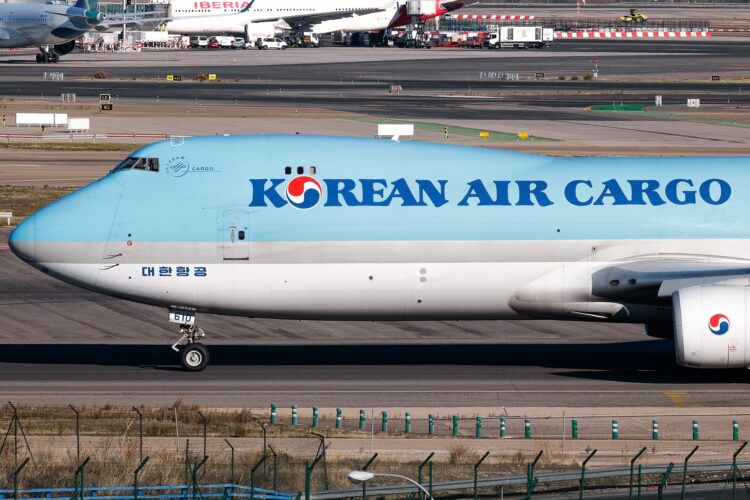
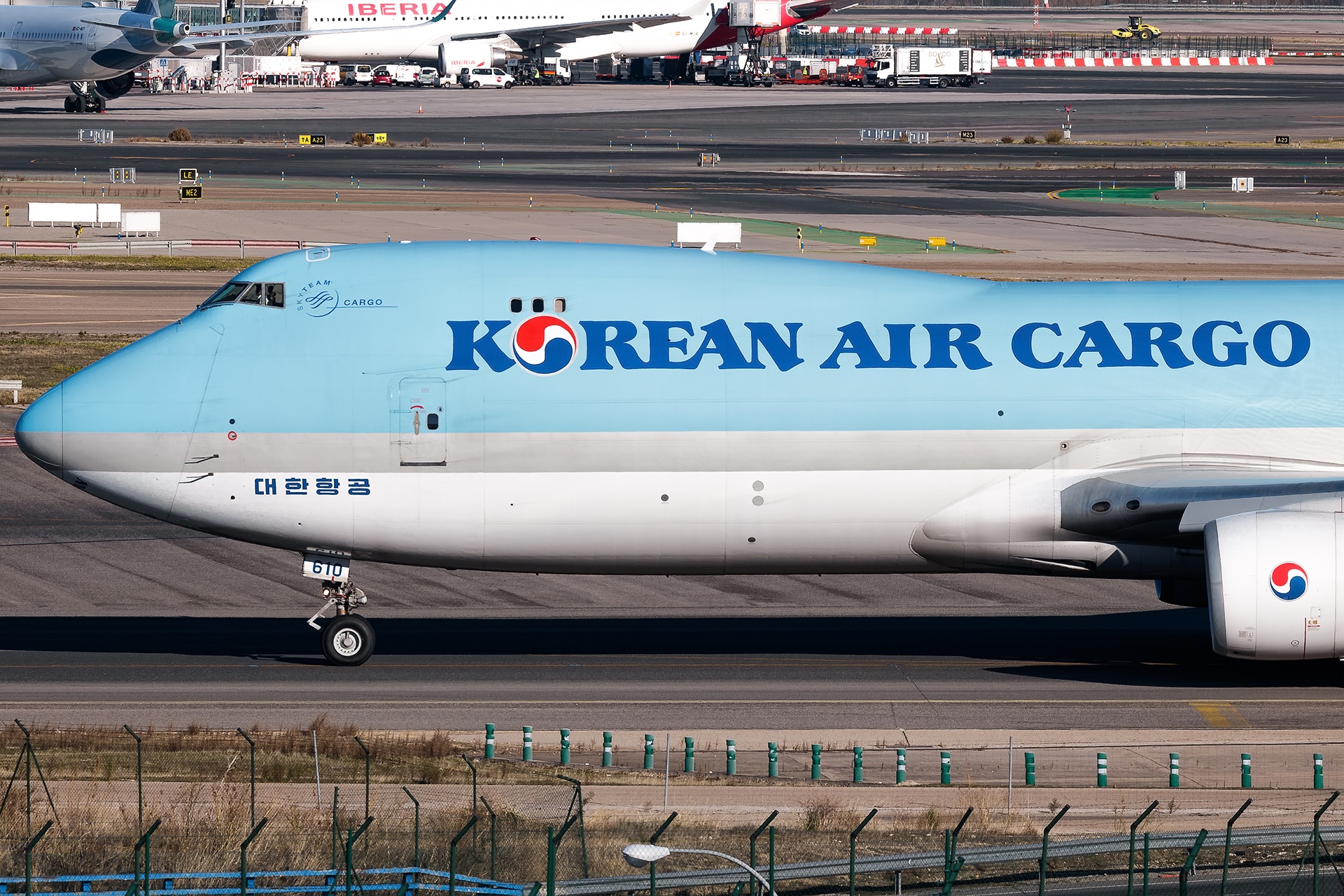
Korean Air to Modernize New York JFK Cargo Facility
Comprehensive Summarization:
Korean Air (KE) is set to modernize its cargo facility at New York’s JFK International Airport. The existing terminal, opened in 2000, is one of the largest cargo facilities on the US East Coast, with a warehouse floor area of 17,065 sqm and an annual handling capacity of 200,000 tonnes. Korean Air has partnered with Lödige Industries to develop plans for a major modernization of the JFK cargo terminal. This initiative aims to enhance service quality and operational efficiency, reflecting the airline’s commitment to advancing its cargo operations at one of the busiest airports in the United States.
Key Points:
Actionable Takeaways:
Enhanced Cargo Operations: The modernization of Korean Air’s cargo facility at JFK is expected to significantly improve service quality and operational efficiency. This development is crucial for airlines looking to optimize their cargo handling processes, especially in a high-traffic airport like JFK. It highlights the industry’s ongoing focus on technological advancements to meet growing demand and improve logistics.
Strategic Partnership for Modernization: By collaborating with Lödige Industries, Korean Air demonstrates a strategic approach to modernization. Such partnerships are becoming increasingly common in the travel industry, as companies seek specialized expertise to drive innovation and efficiency. This trend underscores the importance of strategic alliances in the tech-driven travel sector.
Contextual Insights:
The modernization of Korean Air’s cargo facility at JFK International Airport is a reflection of broader trends in the travel industry, where efficiency and service quality are paramount. As cargo volumes continue to rise, airports and airlines are investing in state-of-the-art facilities to handle increased traffic. This modernization aligns with the industry’s shift towards digitalization and automation, aiming to streamline operations and reduce turnaround times. Furthermore, the partnership with Lödige Industries highlights the growing trend of collaboration between airlines and specialized firms to drive technological advancements. This approach not only enhances operational capabilities but also positions airlines to better meet the evolving needs of the global market. As the travel industry continues to evolve, such strategic investments in infrastructure and technology will be key to maintaining competitive advantage and ensuring sustainable growth.
Read the Complete Article.
Boutique Travel VC raises investment cap from $1.5M to $10M to lead rounds and support portfolio companies through growth Travel...
Read moreDetails



Comprehensive Summarization: The article reports on the recent US-Iran ceasefire, which is contributing to a rebound in global tourism. This...
Read moreDetails
