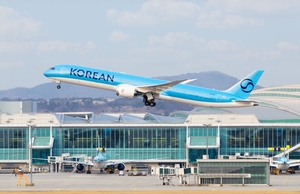
Korean Air has extended its suspension of the Incheon-Dubai route by one week, effective until March 15, due to the ongoing conflict in the Middle East. This decision follows the U.S.-Israeli airstrikes on Iran, which led to the diversion or cancellation of flights 951 and 952 between South Korea’s Incheon and the United Arab Emirates’ Dubai on February 28. The article highlights the impact of geopolitical events on international air travel, emphasizing the need for flexibility and contingency planning in the travel industry.
Key Points:
Korean Air has extended its suspension of the Incheon-Dubai route by one week, effective until March 15, due to the Middle East conflict.
Flights 951 and 952, which operate between Incheon, South Korea, and Dubai, United Arab Emirates, were affected by U.S.-Israeli airstrikes on Iran on February 28.
The suspension is a direct response to the geopolitical situation, illustrating the vulnerability of international air travel to global events.
Actionable Takeaways:
Flexible Travel Planning: Airlines should implement flexible booking policies and robust contingency plans to mitigate the impact of geopolitical events on flight operations. This approach can help maintain customer trust and minimize revenue losses during crises.
Investment in Travel Tech: The article underscores the importance of travel technology in managing disruptions. Airlines and travel companies should invest in advanced route optimization, real-time flight tracking, and customer communication tools to enhance operational resilience and customer satisfaction.
Contextual Insights:
The suspension of the Incheon-Dubai route by Korean Air is a clear reflection of how geopolitical conflicts can disrupt international air travel. This event highlights the interconnectedness of global events with the travel industry, where even a single conflict can lead to significant operational challenges. In the current travel landscape, characterized by increasing geopolitical tensions and the rapid evolution of travel technology, companies must remain agile and innovative. The integration of travel tech solutions, such as real-time flight tracking and dynamic routing, can significantly enhance an airline’s ability to respond swiftly to disruptions. Moreover, fostering partnerships with fintech startups can improve financial management during crises, ensuring continuity and customer trust. As the travel industry continues to navigate uncertainties, leveraging technology and strategic planning will be crucial for maintaining operational stability and competitive advantage.
Comprehensive Summarization: Vietjet is currently offering special summer promotions to entice Indian travelers, including up to 100% off Eco tickets...