








![[At one go] There was no reverse sweep Korean Air 'Champ Up With Winning Game 5'](https://images.traveltrade.today/wp-content/uploads/2026/04/Korean-Air-Triumphs-in-Game-5-Reverse-Sweep-Victory.jpg)














Travel Capitalist Ventures Expands Check Size to $10 Million to Deepen Emerging Market Conviction
Boutique Travel VC raises investment cap from $1.5M to $10M to lead rounds and support portfolio companies through growth Travel...
Read moreDetails
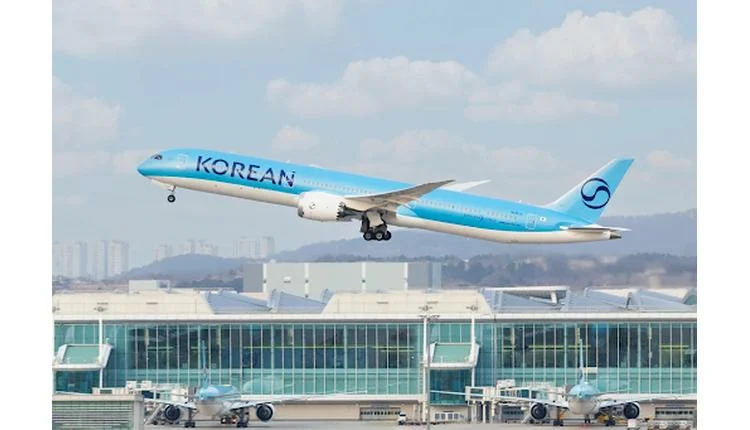
Korean Air reports mixed Q4 2025 financial results
Comprehensive Summarization:
Korean Air has reported a 13% year-on-year increase in revenue for the fourth quarter of 2025, reaching KRW 4.5516 trillion (US$3.1721 billion). However, the airline’s operating profit decreased to KRW 413.1 billion (US$287.9 million) due to rising operating costs. The passenger business saw a revenue boost to KRW 2.5917 trillion, up KRW 217.1 billion from the previous year, largely driven by increased short-haul travel. The article also touches on broader travel trends and insights from thought leaders, highlighting the importance of adapting to market conditions and technological advancements in the travel industry.
Key Points:
Actionable Takeaways:
Cost Management: Korean Air’s decrease in operating profit highlights the importance of effective cost management strategies in the airline industry. Airlines should focus on optimizing operational efficiencies to mitigate the impact of rising costs.
Market Segmentation: The growth in short-haul travel revenue indicates a potential opportunity for airlines to focus on and invest in short-haul routes. This could involve expanding fleet sizes, improving route networks, or enhancing services to attract more passengers on shorter flights.
Adaptation to Market Conditions: The article underscores the need for airlines to adapt to changing market conditions, such as rising operating costs. This could involve strategic investments in technology to improve operational efficiency, exploring new revenue streams, or adjusting business models to remain competitive.
Contextual Insights:
The reported financial performance of Korean Air reflects broader trends in the airline industry, where cost management and market adaptation are critical for sustained profitability. The growth in short-haul travel revenue suggests that airlines are responding to consumer demand for more convenient and affordable travel options. This trend aligns with the broader industry shift towards digitalization and personalized travel experiences, as highlighted by thought leaders in the sector. As the travel industry continues to evolve, airlines that can effectively balance cost management with innovative service offerings will be better positioned to thrive in a competitive market.
Read the Complete Article.
Boutique Travel VC raises investment cap from $1.5M to $10M to lead rounds and support portfolio companies through growth Travel...
Read moreDetails



Comprehensive Summarization: LVMH's wine and spirits division, Moet & Chandon, is ceasing local production of Chandon sparkling wine in India...
Read moreDetails
