



















Travel Capitalist Ventures Expands Check Size to $10 Million to Deepen Emerging Market Conviction
Boutique Travel VC raises investment cap from $1.5M to $10M to lead rounds and support portfolio companies through growth Travel...
Read moreDetails
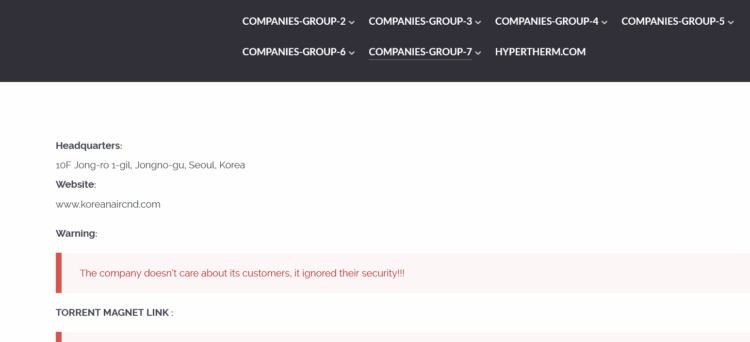
Data breach of employees of Korean Air notified in a post on Dec. 29, 2025 [JOONGANG ILBO] Source: Korea JoongAng Daily
Article Summary:
Korean Air disclosed a data breach following a cyberattack on its catering and duty-free supplier, KC&D. The breach exposed personal data of approximately 30,000 employees, highlighting significant vulnerabilities in the supply chain of major airlines and the need for robust cybersecurity measures in the travel industry.
Key Points:
Actionable Takeaways:
Contextual Insights:
The Korean Air data breach underscores the growing vulnerability of the travel industry to cyber threats, particularly as it increasingly relies on complex supply chains and digital platforms. Recent trends indicate a heightened focus on cybersecurity within the travel sector, with thought leaders emphasizing the need for proactive risk management strategies. Innovations in AI-driven threat detection and blockchain-based supply chain transparency are emerging as potential solutions to mitigate such risks. The incident also highlights the importance of collaboration between airlines, suppliers, and cybersecurity experts to establish industry-wide best practices for data protection.
Read the Complete Article.
Boutique Travel VC raises investment cap from $1.5M to $10M to lead rounds and support portfolio companies through growth Travel...
Read moreDetails



Comprehensive Summarization: The World Travel & Tourism Council (WTTC) has released its latest report, "Cruising for Impact," which highlights the...
Read moreDetails
